Choosing Plasticware That Protects Every Sample
Good food and beverage testing starts long before the sample hits an instrument. It starts with the container you put that sample in. When you are working to protect Australian consumers, meet FSANZ rules, and keep export partners happy, the wrong piece of plastic can quietly undo a lot of hard work.
Lab plasticware has a big job. It needs to hold raw milk, acidic juices, hoppy beers or high-sugar syrups without changing them. It has to support microbiology checks, chemical residue work and allergen testing, especially when production lines ramp up in spring and early summer. If the plastic leaches, warps, cracks or sheds particles, your data can drift and your risk of recall can grow.
We work with labs across food, beverage, dairy, brewing and wine, so we see the same pattern again and again: once plasticware is matched properly to the test, results become steadier and workflows feel calmer. The good news is that the principles are simple, and a few smart choices can protect every sample moving through your lab.
Matching Plasticware Types to Food and Beverage Tests
Not all plastics behave the same way. The material behind a bottle or tube matters just as much as its volume or shape.
Here are some common plastics and how they usually fit into food and beverage testing:
- PP (polypropylene): Great for general use, many acids and bases, can often cope with higher temperatures and autoclaving.
- PE (polyethylene): Good for many water-based products and short-term storage, often used for bottles and jerry cans.
- PET (polyethylene terephthalate): Clear, good for many drinks, handy when you want to see the sample, but not for very hot or very strong solvent work.
- PC (polycarbonate): Clear and tough, useful when you need visibility and impact resistance.
- PS (polystyrene): Common in disposable tubes, microplates and some Petri dishes, good for many assays but not great with some solvents and oils.
- PTFE (polytetrafluoroethylene): Very chemically resistant, often used as a lining or for special applications where other plastics fail.
For typical tests in Australian food and beverage labs, you might see:
- Sterile sampling bottles for raw milk, juices and soft drinks.
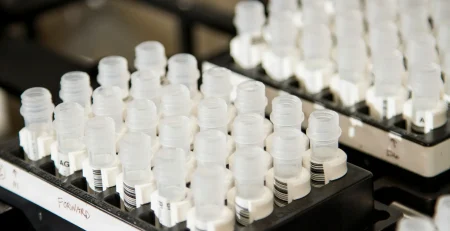
- Centrifuge tubes for pathogen enrichment, especially in meat, dairy and ready-to-eat foods.
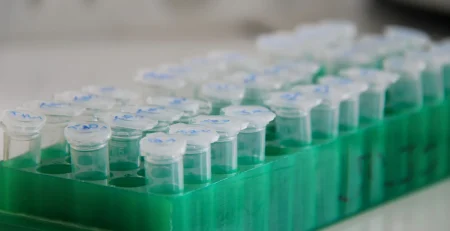
- Microtubes and microplates for enzyme tests, ELISAs and allergen screening.
- Bottles, carboys and jerry cans for composite samples from lines, tankers or silos.
Plasticware really shines in high-movement areas, like line sampling, tanker unloading bays and field collection. It is lighter, safer and less likely to shatter if it is dropped on a wet factory floor.
Glass still has its place. When you are doing solvent-heavy residue analysis, flavour chemistry or work with strong alcohol, glass can be the safer bet to avoid sorption or leaching. A simple rule of thumb is to use plastic for routine, high-volume handling and transport, and reach for glass when the method or solvent list specifically calls for it.
Reducing Contamination Risk with the Right Plasticware
Food and beverage labs face contamination sources that other labs may not. Spring winds blow in environmental flora. Breweries and wineries have wild and house yeast everywhere. Dairy plants often wrestle with biofilms. Multiproduct sites carry a real risk of allergen carryover from nuts, dairy, soy or gluten.
Plasticware choice can help control these risks. You can support cleaner workflows by focusing on:
- Sterile plasticware for microbiological work, from sampling bottles to Petri dishes and tubes.
- Pyrogen-free and low-endotoxin options when you are running sensitive cell-based or enzyme-based tests.
- DNase- and RNase-free pieces for molecular methods, like PCR-based pathogen or allergen checks.
Single-use plasticware is often the safest path where cross-contamination would be painful, for example allergen testing, gluten-free verification or pathogen testing that sits near production decisions. Reusable items can still work well in more general chemistry or physical tests, as long as cleaning and validation are tight.
Colour coding can also play a big part. Many labs:
- Use different coloured caps or racks for allergen streams.
- Keep gluten-free lines on clearly marked trays.
- Store microbiology plasticware separate from chemistry items.
These simple steps support HACCP and broader quality systems, and they make life easier when auditors walk through and ask how you keep sample streams separate.
Durability, Compatibility and Compliance in Harsh Workflows
Food and beverage workflows can be hard on plastic. Hot-fill products can hit containers very warm. Samples might then go straight into an ice bath or cold room. Wash cycles can involve strong detergents. Autoclaving is common for microbiology and media work.
If the plastic is not built for this, it can warp, crack or slowly leach additives into your samples. That can lead to results that do not match what is really in the food.
Chemical compatibility is just as important. Different tests might involve:
- High-fat matrices, like cream, cheese or nut products.
- Sugary syrups and soft drinks.
- Acidic juices and carbonated drinks.
- Alcoholic beverages, from beer and cider to wine and spirits.
Use the wrong plastic here and you can see sorption of flavour compounds, cloudy samples or migration of plasticisers that can confuse residue tests. Checking material safety data and compatibility charts before locking in a plasticware line is a smart move.
On the compliance side, many Australian food labs work within ISO or retailer codes, and they need supporting paperwork. That often includes:
- Food contact suitability information.
- Lot traceability for each carton of plasticware.
- Certificates that match the sterility, endotoxin or DNase/RNase claims.
Having that documentation on hand makes audits smoother and helps show that your data chain is controlled right from sampling.
Optimising Lab Plasticware for Throughput and Budget
As the weather warms and production climbs, testing volumes follow. Spring harvests, pre-summer beverage launches and the buildup to Christmas can stretch any lab. Smart plasticware choices can take some of the pressure off.
You can support higher throughput by looking for:
- Easy-open caps that are still leak-resistant.
- Stackable racks and plates that fit well in your incubators and fridges.
- Clearly printed graduations that speed up sample prep.
- Automation-friendly tubes and plates that line up with your instruments and LIMS.
Pre-sterilised items can also save time, especially for microbiology, allergen and molecular work. Bulk packs reduce carton handling and help keep benches tidy when teams are moving fast.
Cost in use is not just about the price on a box. It helps to:
- Use premium, fully certified plasticware where the risk and regulatory load are high.
- Keep value lines for less critical jobs, like basic mixing or short-term holding.
- Plan stock levels so you do not hit supply crunches during seasonal peaks.
By linking your plasticware plan to your production cycles, you can reduce last-minute scrambling and keep testing lines flowing without shortcuts.
Turning Your Plasticware Into a Quality Advantage
Good plasticware choices are quiet helpers. They support shelf life trials, routine line checks, sensory samples and rapid release testing for food and beverage products across Australia. When the containers are right, your team can focus on methods, not on leaks, broken caps or unexplained drift in results.
It can be worth stepping back before the next busy season and asking a few simple questions. Do your current tubes, bottles and plates match the samples you handle now? Do they suit your mix of microbiology, chemistry and allergen work? Are the documentation, sterility claims and compatibility clear enough for your next audit?
At LabChoice Australia, we spend a lot of time helping labs match plasticware to real-world food and beverage workflows in local conditions. A bit of care upfront turns lab plasticware from an afterthought into a quiet quality advantage that supports every batch you release.
Streamline Your Lab Workflow With the Right Supplies
If you are ready to upgrade your lab setup with reliable, compliant solutions, explore our range of lab plasticware tailored to Australian research and testing environments. At LabChoice Australia, we work closely with you to match products to your specific protocols and throughput needs. If you would like personalised advice on product selection or bulk orders, simply contact us and our team will help you find the most efficient option for your lab.