4 Sep

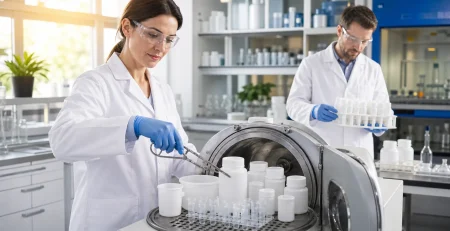
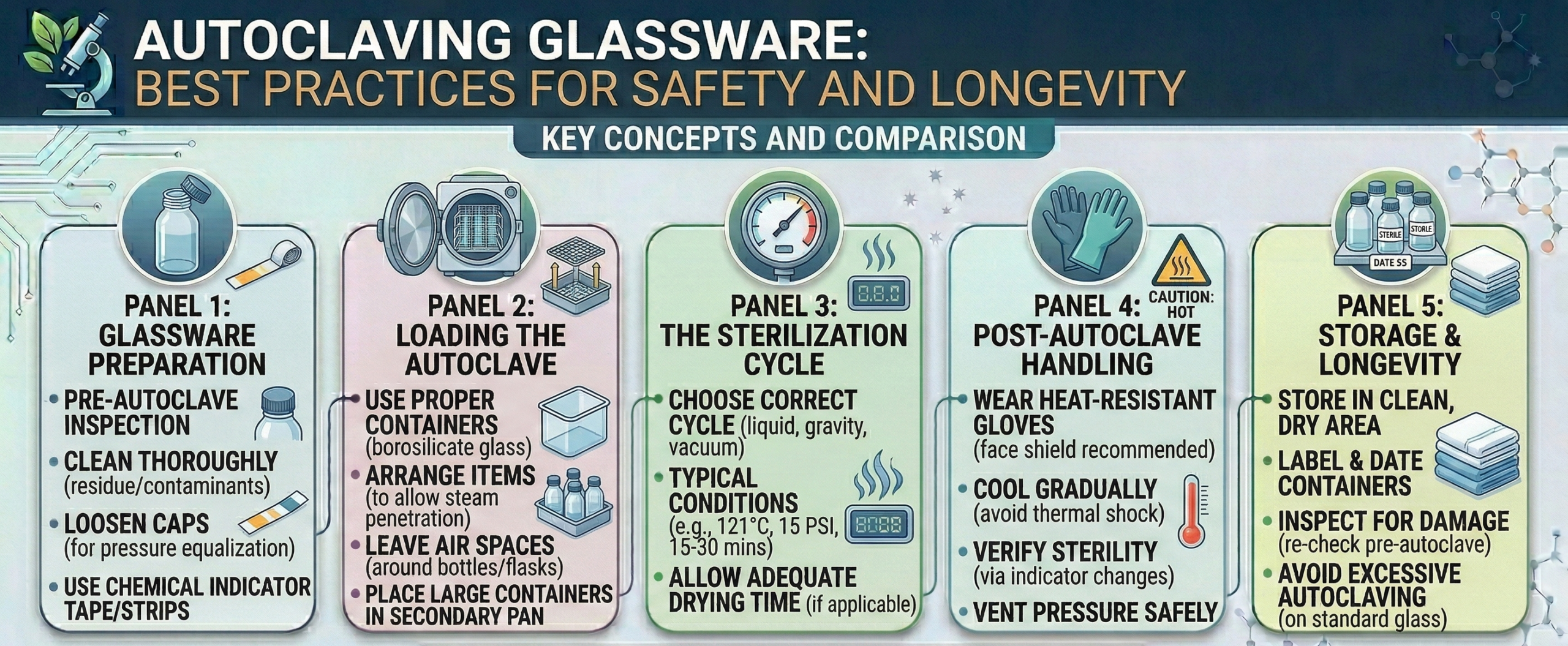
Autoclaving Glassware: Best Practices for Safety and Longevity

Autoclaving is the gold standard for sterilising laboratory equipment. Using high-pressure steam at 121–134 °C, it ensures...
No Comments
4 Sep

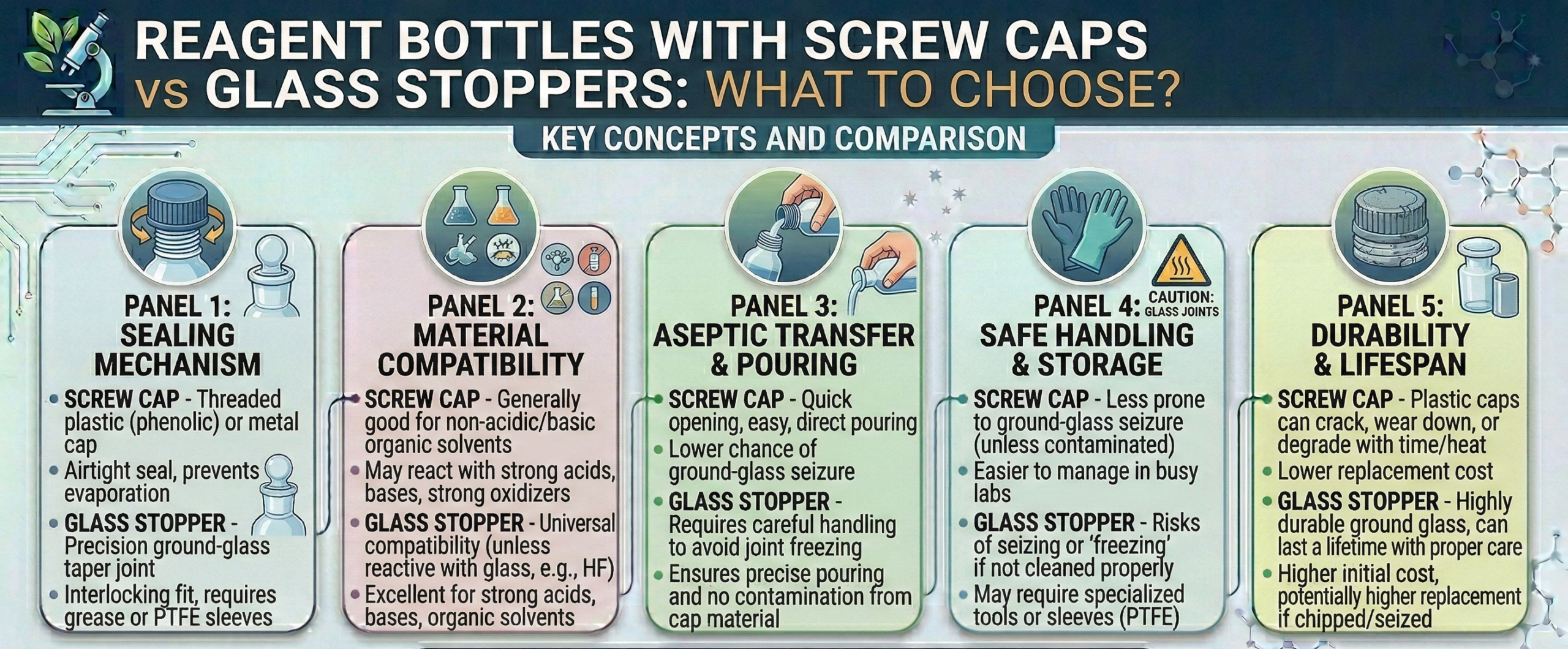
Reagent Bottles with Screw Caps vs Glass Stoppers: What to Choose?

Reagent bottles are essential for the safe storage of chemicals in laboratories. Available with either screw caps or...
No Comments
4 Sep

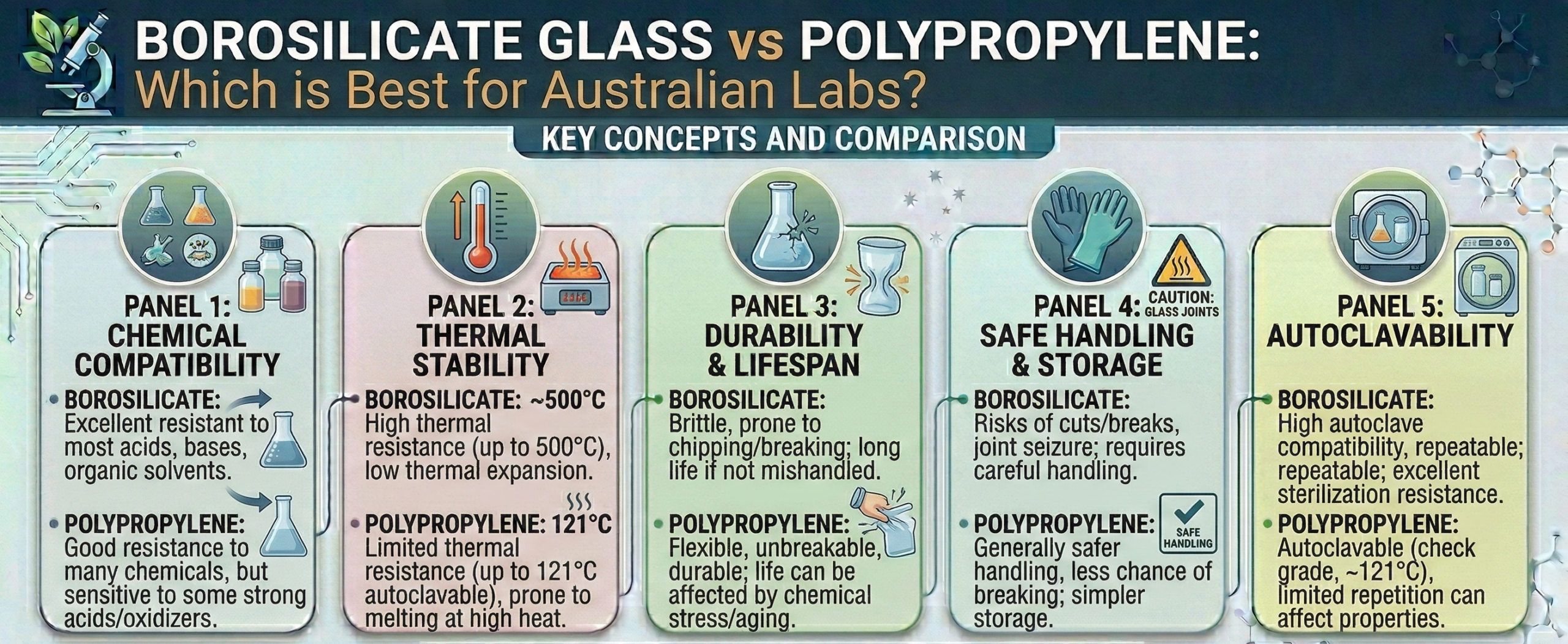
Borosilicate Glass vs Polypropylene: Which is Best for Australian Labs?

Laboratories rely on durable, accurate, and safe materials for experiments, storage, and teaching. Two of the most widely...
No Comments
4 Sep

Laboratory Funnels Compared: Dropping, Separatory, and Pressure Equalising

Funnels are versatile tools used across laboratories for transferring, separating, and controlling liquid flow. While simple glass funnels...
No Comments
4 Sep

Volumetric Flasks in Analytical Chemistry: Accuracy Standards Explained

In analytical chemistry, accuracy is everything. Whether preparing a standard solution or performing titrations, laboratories rely on volumetric...
No Comments
4 Sep

Vacuum Filtration in the Lab: Choosing the Right Buchner Flask and Funnel

Vacuum filtration is one of the most common separation techniques in laboratories, allowing solids to be quickly and...
No Comments
4 Sep

Glass Beakers vs Plastic Beakers: Accuracy, Safety, and Sustainability

Beakers are one of the most widely used pieces of laboratory glassware. Available in both glass and plastic,...
No Comments
4 Sep

Class A vs Class B Measuring Cylinders: Which is Right for Your Lab?

Measuring cylinders are essential tools for laboratories, providing a simple and reliable way to measure liquid volumes. But...
No Comments
4 Sep

Amber Glassware in the Lab: UV Protection and Chemical Stability Explained

Certain chemicals are highly sensitive to light and degrade rapidly when exposed. For laboratories in Australia, amber borosilicate...
No Comments
4 Sep

Graduated vs Volumetric Glassware: Choosing the Right Tool for Precision

In every laboratory, accuracy in liquid measurement determines the reliability of results. Two key categories of glassware —...
No Comments
Rubber Vs Silicone Stoppers: Matching Closures to Chemicals

Rubber Vs Silicone Stoppers: Matching Closures to Chemicals

A stopper does far more than close the top of a flask or bottle. The wrong material may swell, harden,...
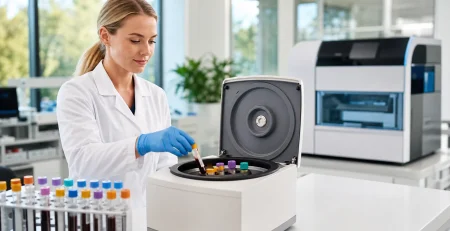
Should You Upgrade to a Benchtop Centrifuge for Daily Samples

Should You Upgrade to a Benchtop Centrifuge for Daily Samples

A centrifuge that cannot keep up with daily work can slow down an entire laboratory. Whether you are separating, clarifying,...
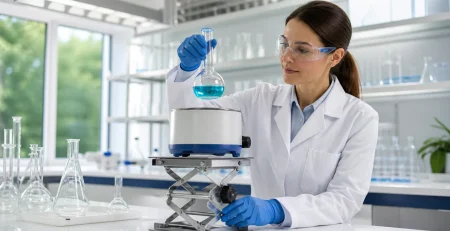
When an Adjustable Laboratory Jack Is Essential for Safe Heating

When an Adjustable Laboratory Jack Is Essential for Safe Heating

An adjustable laboratory jack gives you more control over heating setups, especially when vessel height and heat exposure need close...
Reusable Glass Petri Dishes Vs Plastic for Culture Work

Reusable Glass Petri Dishes Vs Plastic for Culture Work

Petri dish material affects more than appearance. It can shape how clearly you see colonies, how easily dishes are handled,...
Designing Lab Plasticware Workflows for Faster Sample Turnaround

Designing Lab Plasticware Workflows for Faster Sample Turnaround

Fast sample turnaround is not just about big instruments and software. A lot of time is won or lost in...
Selecting Lab Plasticware for Reliable Cell Culture Assays

Selecting Lab Plasticware for Reliable Cell Culture Assays

Reliable cell culture is not just a "nice to have," it sits at the heart of research, diagnostics, and quality...
Evaluating Lab Plasticware for Australian Food and Pharma Testing

Evaluating Lab Plasticware for Australian Food and Pharma Testing

Picking lab plasticware might feel like a small job, but for food and pharma-testing labs in Australia, it can make...
Lab Plasticware Selection: PP vs. PS vs. PETG vs. Fluoropolymers

Lab Plasticware Selection: PP vs. PS vs. PETG vs. Fluoropolymers

Picking lab plasticware is not just about what is on the shelf or what was used last term. The plastic...
Lab Plasticware Choices That Survive Autoclaves and Aggressive Solvents

Lab Plasticware Choices That Survive Autoclaves and Aggressive Solvents

Strong lab work needs more than good ideas, it needs gear that does what it is told. As teaching labs...
Strategic Lab Plasticware Choices for Pharma-Grade Sterility

Strategic Lab Plasticware Choices for Pharma-Grade Sterility

Sterile work in pharma and biotech is only as strong as the weakest item that touches your product. Often, that...
Inside Lab Plasticware Selection for High-Risk Pharmaceutical Runs

Inside Lab Plasticware Selection for High-Risk Pharmaceutical Runs

Lab plasticware choices can make or break a high-risk pharmaceutical run. When you are dealing with small, critical batches before...
Beyond Glassware: Evaluating Lab Plasticware for Food Testing

Beyond Glassware: Evaluating Lab Plasticware for Food Testing

Food testing ramps up as the weather warms. Spring and summer in Australia mean BBQs, seafood, fresh salads and export...