Build Future-Ready School Labs Students Love
Future-ready school labs are not about having fancy gadgets for show. They are about giving students real tools so they can test ideas, ask questions, and see science come alive right in front of them. When we match science lab equipment for schools to what the students are learning, lessons shift from “copy this from the board” to “let’s see what actually happens.”
Across Australia, schools are feeling the push to keep up with new STEM expectations and fast-changing technology. Old gear that sits at the back of the prep room is not enough anymore. Students want to touch, test, and tinker. With the right mix of equipment, even a simple classroom can feel like a working lab.
Modern labs do more than keep up with curriculum updates. They help students enjoy science again. That often flows into subject choices in the senior years, and even into future careers in STEM fields. When subject planning season comes around, a lab that feels current and exciting can be the gentle nudge a student needs to stick with physics, chemistry, biology, or technology subjects.
Why Modern School Labs Matter More Than Ever
Fresh, well-planned labs make it easier for teachers to meet the Australian Curriculum and state senior courses. When students can see reactions, measure forces, study cells, or explore local ecosystems with real tools, they understand ideas in a deeper way. Content that once felt abstract suddenly has meaning.
Access to age-appropriate equipment across the years helps students grow their skills step by step. For example, students can:
- Start with simple measuring and observing in primary
- Move into fair tests and simple data logging in junior secondary
- Build stronger analysis and report writing skills in senior science
This kind of learning builds scientific literacy and confidence. Students learn to question results, compare data, and work as a team. They also get used to recording observations carefully and thinking about why something turned out the way it did.
Modern labs are also about inclusion. Safe, stable, easy-to-handle equipment encourages more students to take part, including those who might feel unsure or see science as “not for them.” Careful choices around:
- Clear, simple lab instructions
- Tools that suit different hand sizes and abilities
- Shared group tasks that rotate roles
can help more students, including girls and under-represented groups in STEM, to feel that they belong in the lab. When everyone can take part safely and meaningfully, the whole class benefits.
Essential Science Lab Equipment for Schools Today
A future-ready lab does not need every gadget on the planet. It needs a smart mix of durable basics, reliable instruments, and everyday consumables that match the age and stage of your students.
Core glassware and plasticware form the backbone of most practicals, such as:
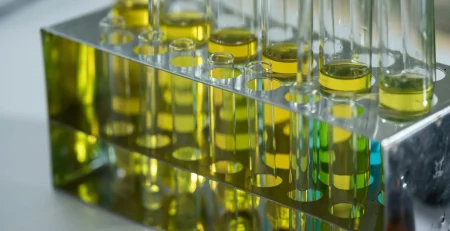
- Beakers, flasks, measuring cylinders, and test tubes
- Pipettes, droppers, and funnels
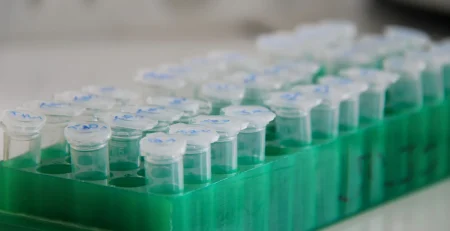
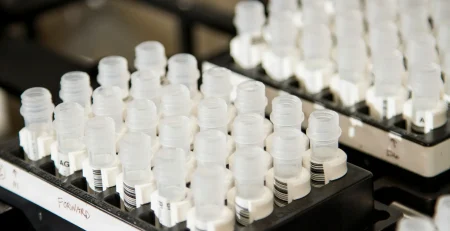
- Petri dishes, specimen containers, and racks
For schools, it helps to choose classroom-ready items that can handle frequent use and regular cleaning. Plastic options are great for younger students, while good-quality glassware often suits senior experiments where accuracy and heat resistance matter.
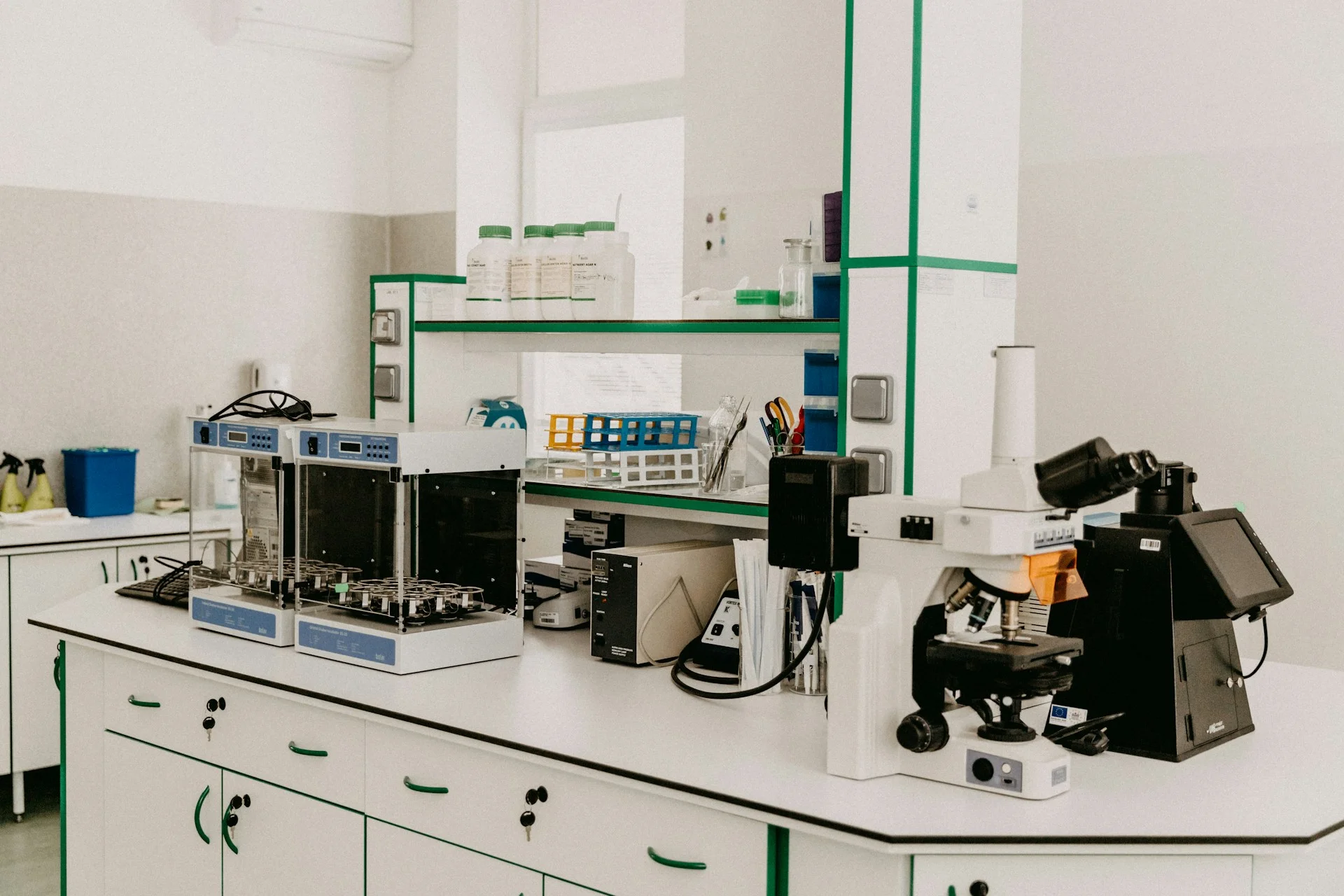
Key equipment and instruments will vary by level. Many schools build a base set that includes:
- Balances for simple mass measurements through to senior practicals
- Microscopes so students can see cells, tissues, and tiny organisms
- Hotplates or heating blocks instead of open flames where appropriate
- Incubators and centrifuges for biology and microbiology in senior classes
- Data loggers and basic digital sensors, like temperature, light, and motion
Primary students may need simple, sturdy gear that is hard to break and easy to clean. Junior secondary classes can step into more precise instruments. Senior students usually need access to a smaller set of higher-specification equipment for deeper investigations.
Everyday consumables and safety gear keep lessons running smoothly and safely. These often include:
- Common reagents, indicator papers, and filter papers
- Microscope slides, cover slips, and staining materials
- Gloves, goggles, lab coats, and aprons
- Spill kits, first aid supplies, and basic fire safety equipment
Safety is never “extra.” It sits at the heart of every practical. Good planning, clear risk assessments, and compliance with school safety policies make lab work safer for students and easier for teachers and lab technicians.
Designing Flexible STEM Spaces That Grow with You
Future-ready labs are not just about what you buy, but how you set up the space. Layout matters. When planning, it can help to think about:
- Bench height and placement for both seated and standing work
- Sinks, power points, gas outlets, and fume extraction where needed
- Clear walkways and logical traffic flow to exits and safety stations
- Lockable storage for chemicals, sharp tools, and fragile equipment
Flexible furniture makes it easier to switch from a practical to group work or a robotics session. Trolleys, portable kits, and stackable stools help teachers reset the room quickly between classes. Modular benches can be pushed together for group investigations or separated for individual assessments.
Digital tools now sit right beside traditional lab gear. Many schools find a blend of:
- Tablets or laptops at lab benches
- Data loggers linked to simple sensors
- Online simulations that support pre-lab or revision work
works well. Students can collect data with sensors, then graph and discuss results on a screen. Blended and flipped learning approaches also mean students can learn theory at home, then use lab time for practical, hands-on tasks.
Smart Planning, Budgeting, and Procurement for School Labs
Good lab programs depend on thoughtful planning, not last-minute orders. A helpful routine is to use the later terms of the year to:
- Audit existing stock and note what is damaged or missing
- Check which items no longer meet safety standards
- Map upcoming units and senior experiments against what you have
This makes it easier to see what really needs replacing and what can wait.
Budgets always have limits. To stretch them further, many schools focus on:
- Durable brands that stand up to regular student use
- Bulk-buy items and refill packs for consumables
- Multi-use gear that suits more than one subject or year level
- Balancing “nice to have” tech with solid basic equipment
Working with an Australian online supplier that understands local school needs can make ordering smoother. This is especially helpful for regional and remote schools that rely on consistent delivery and clear advice on stock levels and backorders.
Turn Your Lab Upgrade Plan Into Action
Turning ideas into action works best with a simple, clear plan. Many schools follow a basic cycle like this:
- Review curriculum outcomes across year levels
- Audit your current equipment and consumables
- Talk with science teachers and lab technicians about what actually gets used
- Identify safety gaps that must be fixed first
- Create a staged upgrade plan over one to three years
Aligning purchases with grants, end-of-year budgets, and back-to-school ordering windows helps new equipment arrive in time for Term 1 practicals. That way, teachers can start the year with everything they need ready to go.
At LabChoice Australia, we work with schools across the country to support future-ready STEM labs. Our online range of laboratory glassware, plasticware, equipment, and consumables is designed to support education, research, and industry settings. When schools ask for help matching science lab equipment for schools to specific year levels or subjects, we are glad to share practical suggestions so labs can keep growing with student needs and curriculum changes.
Equip Your Students With Hands-On Science Learning Today
Give your students the tools they need to explore, question and discover with our carefully selected range of science lab equipment for schools. At LabChoice Australia, we work closely with educators to match equipment to curriculum needs, budgets and classroom spaces. If you would like tailored recommendations or a quick quote, simply contact us and we will help you set up a safe, engaging lab environment that supports real-world learning.