Precision Mixing in Modern Laboratories
Tube rotators do a simple job, but it is an important one. They keep samples moving in a gentle, end-over-end motion so everything inside the tube stays evenly mixed. When that motion is smooth and reliable, your results feel more trustworthy and your workday feels calmer.
What drives that motion is the motor inside the unit. Whether you are using a compact tube rotator or a larger roller tube mixer, motor technology directly affects consistency, noise, and reliability. That is where brushless DC motors step in. A tube rotator with a brushless DC motor can give a noticeable lift in performance compared with older brushed designs, especially in busy Australian labs that run all day in warm conditions.
How Tube Rotators Work and Where They Are Used
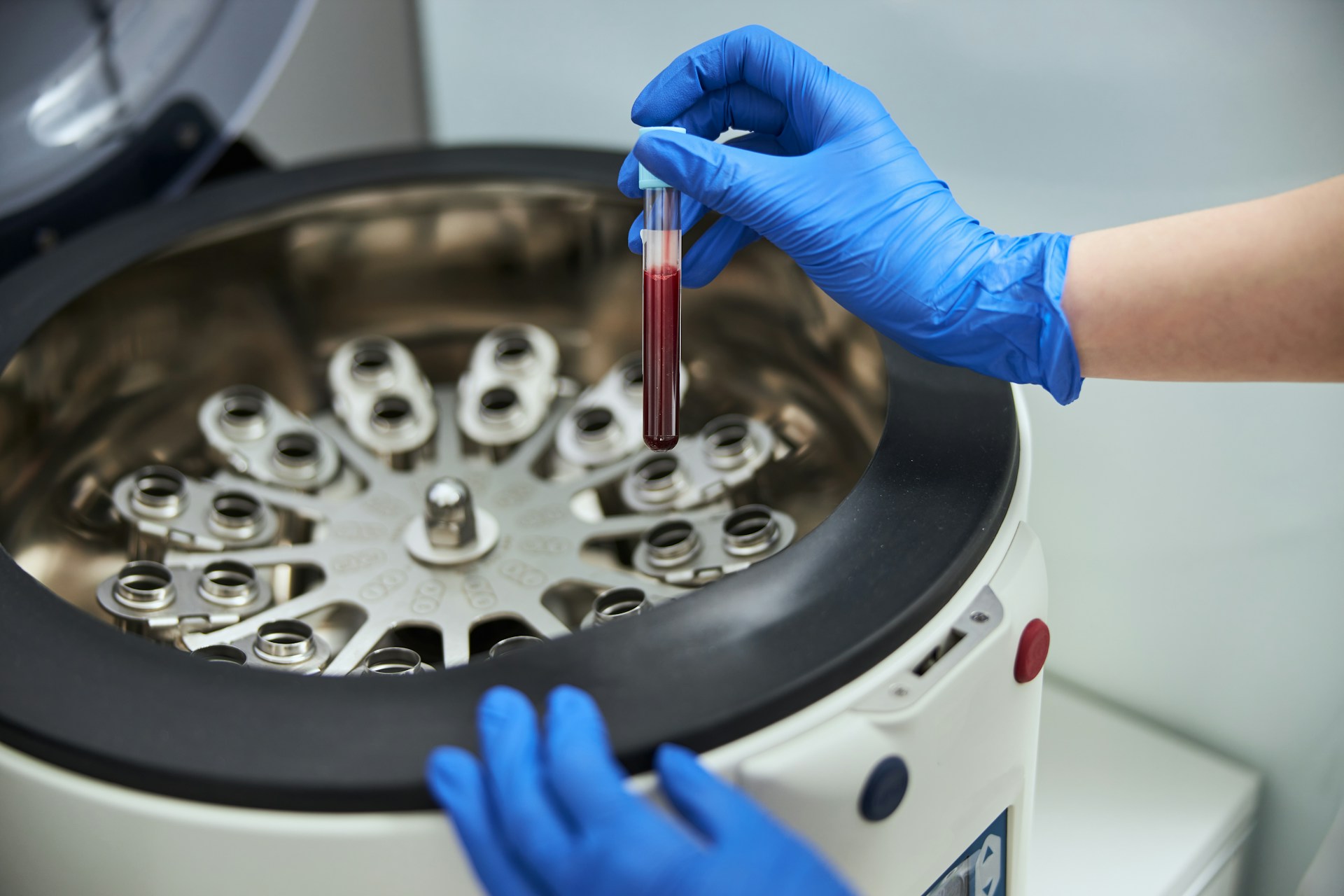
At its core, a tube rotator turns tubes at a steady speed and angle. This gentle, continuous motion keeps cells, beads, or reagents in suspension instead of letting them settle at the bottom. It is a simple idea, but it supports a wide range of day-to-day lab tasks.
Typical uses include:
- Mixing blood collection tubes so additives distribute evenly
- Keeping centrifuge tubes or microtubes homogeneous before or after a spin
- Supporting immunoprecipitation and hybridisation steps that need long, gentle motion
- Helping extraction protocols where harsh shaking would damage the sample
A tube rotator moves tubes in an end-over-end path, which is ideal for gentle mixing without intense shear. A roller tube mixer, on the other hand, rolls tubes along parallel rollers, giving a different style of movement that suits certain viscosities and larger volumes. In workflows that alternate between a tube rotator and a roller tube mixer, consistent mixing dynamics are critical for comparable results, especially when the same sample passes through both instruments.
Brushed Versus Brushless DC Motors
Inside many older tube rotators you will find a brushed DC motor. These motors use carbon brushes that press on a rotating commutator. The mechanical contact passes current to the spinning part of the motor. It works, but those contact points wear down over time and can create electrical noise and extra friction.
A brushless DC motor, often called a BLDC motor, takes a different approach. It uses permanent magnets and electronic control instead of physical brushes. Sensors and drive electronics switch the current in the windings so the motor spins without any sliding contacts inside.
That engineering change brings real benefits at the bench:
- Less friction inside the motor
- No brush dust building up over time
- Smoother rotation and control at low speeds
- Lower heat and less vibration during long runs
In both a compact tube rotator and a benchtop roller tube mixer, switching from brushed to brushless DC motors can transform day-to-day performance. The movement becomes more even, the sound level drops, and maintenance needs usually fall away.
Key Performance Advantages of Brushless DC Motors
One of the biggest gains with a tube rotator brushless DC motor is speed stability. BLDC motors hold a set rotation speed more tightly, even as you change the load on the rotor. That might mean swapping between light microtubes and heavier 50 mL tubes, changing fill volumes, or working with thicker reagents.
Better speed control means:
- More predictable mixing times
- Less drift across long incubations
- Tighter control over shear and exposure time
This is especially helpful in sensitive assays where you want to protect cells or fragile complexes from too much force.
Another clear advantage is quiet, low vibration operation. Because there are fewer moving contact points inside the motor, and because the control electronics can smooth out the motion, BLDC-driven tube rotators tend to run more quietly. That matters in shared teaching labs, busy diagnostic rooms, and open-plan research spaces where many instruments run side by side.
Lower vibration helps:
- Reduce foaming in protein or detergent-rich samples
- Protect fragile cells and beads from rough handling
- Keep nearby devices more stable on the bench
When operated alongside a roller tube mixer, a quiet brushless tube rotator contributes to a lower noise, more comfortable lab environment, which can make long days at the bench feel a bit easier.
Reliability, Maintenance, and Practical Selection Tips
From a reliability point of view, a brushless DC motor tube rotator tends to offer a longer service life because there are no brushes to wear out. Fewer wearing parts usually means fewer unexpected breakdowns and fewer interruptions to your schedule when you are in the middle of important sample runs.
Key benefits include:
- Less internal dust from brush wear
- Fewer service interventions over the life of the instrument
- More stable performance over time
Labs that rely on continuous operation, running a tube rotator, roller tube mixer, and centrifuges around the clock, see clear uptime and maintenance advantages from brushless DC motors.
When you are choosing a tube rotator for your lab, it helps to step back and think about the full workflow, not just the motor type. Some points to review are:
- Tube sizes you need to support, from microtubes up to larger conical tubes
- The adapters and racks needed for blood collection tubes or special vessels
- Speed ranges, timer settings, and any digital display or status indicators
- The angle and type of rotation that match your protocols
Integration with your existing equipment also matters. Think about how the rotator will sit alongside your roller tube mixer, vortex mixers, incubators, and other devices. For protocols that start on a tube rotator and finish on a roller tube mixer, choosing a BLDC-driven rotator helps keep mixing performance consistent as samples move between instruments, even as ambient temperatures shift through a hot Australian summer.
How LabChoice Australia Supports High Performance Mixing
At LabChoice Australia, we focus on supplying laboratory glassware, plasticware, equipment, and consumables that support reliable, everyday work in education, research, and industrial settings across the country. That includes tube rotators and mixers that draw on modern designs, such as brushless DC motors, to deliver steady performance and low noise for years of use.
We understand that each lab has its own mix of methods, tube types, and throughput needs. Our role is to help match tube rotators, roller tube mixers, and complementary labware like tubes and racks to those specific workflows and goals. By pairing a brushless DC motor tube rotator with a compatible roller tube mixer, it becomes easier to build a sample preparation path that feels consistent from end to end, so your team can focus on the science instead of the equipment.
Get Reliable Mixing Performance For Your Lab
If you are looking for dependable, lab-ready equipment, our roller tube mixer range is selected to deliver consistent results and long-term value. At LabChoice Australia, we work with you to match the right mixer to your specific applications, workloads and space. If you have questions about compatibility, specifications or availability, contact us and we will help you choose with confidence.