Achieve Stable pH Readings Every Time
Stable pH readings are not a nice extra; they are the base of good lab work. Whether we are teaching students, checking a food batch, running pharma assays, or monitoring creek water in a cold winter wind, wobbly pH data can throw out whole days of results.
The trouble is, the laboratory pH electrode is often the weakest link. If it is the wrong type, or it has been stored dry on a shelf near a drafty window, no meter in the world can save that reading. When temperatures drop in late autumn and winter across Australia, samples and instruments cool down, response slows, and any small problem with the electrode shows up fast.
In this guide we walk through how a laboratory pH electrode works, how to choose the right one, and how to use and care for it so your readings stay steady and repeatable in a busy lab.
How a Laboratory pH Electrode Really Works
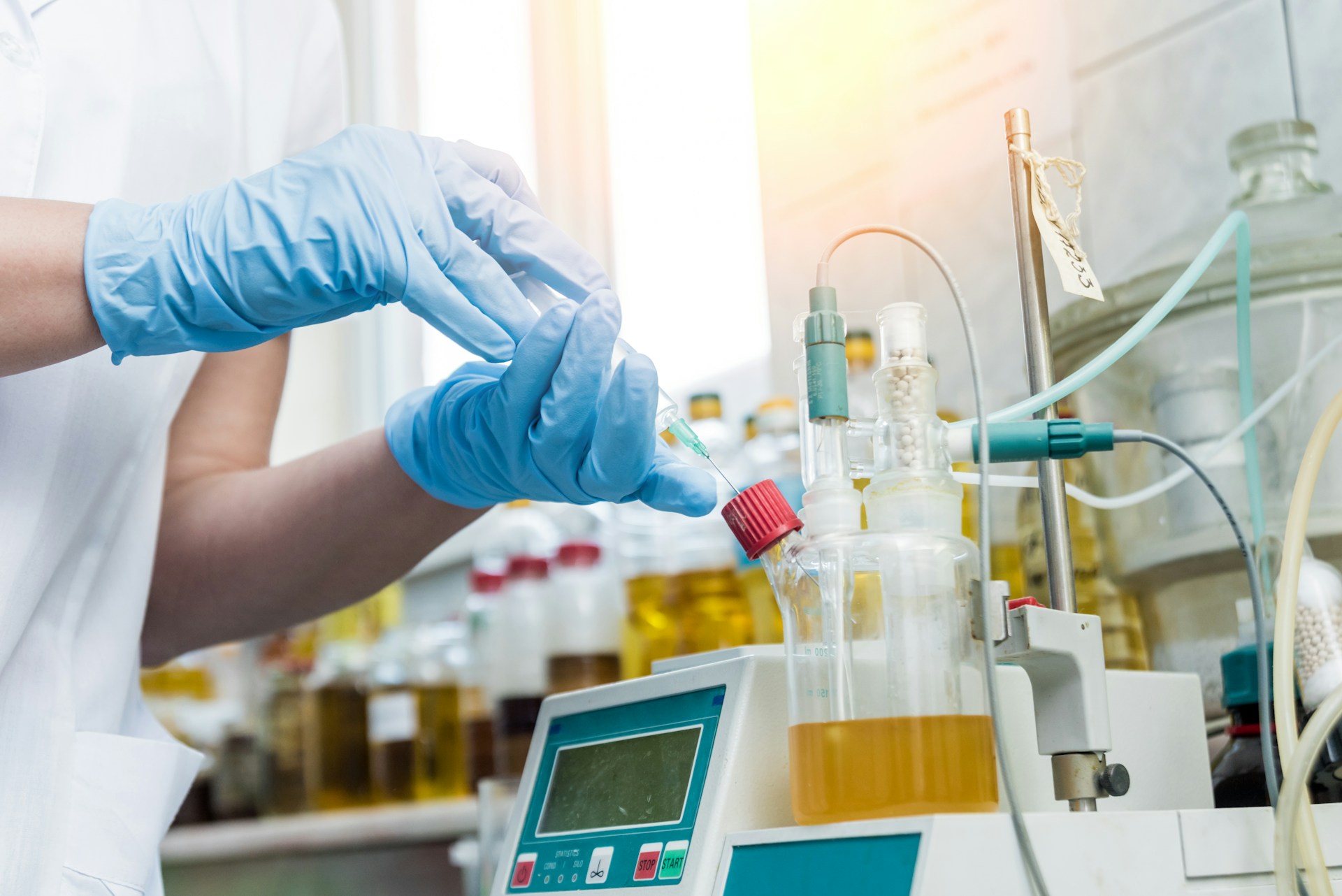
A lab pH electrode is a clever but simple sensor. At the tip there is a special glass membrane that lets hydrogen ions interact with its surface. Inside the body there is a reference system, usually a silver/silver chloride wire in a known internal solution. Between the inside and the sample there is a small junction that lets ions move. Together they create a tiny millivolt signal that the meter turns into a pH value.
That signal changes with temperature. Cold samples in winter will usually give slower response and can drift if the probe or buffer has not reached the same temperature. Ionic strength and sample mix also matter. Protein-rich broths, oily slurries, or low ionic strength water can all change how the glass surface and junction behave.
Common designs you will see include:
- Sealed electrodes, which are low effort and good for teaching labs
- Refillable electrodes, which you can top up for longer life and often better stability
- Single junction probes, suited to many clean aqueous samples
- Double junction probes, which cope better with dirty, protein-rich or sulphide samples
- Special tips, like spear tips for semi solids or flat tips for surfaces
These design choices affect speed of reading, how much drift you see over time, and how long the electrode stays useful.
Choosing the Right Electrode for Your Application
Choosing a laboratory pH electrode starts with your sample, not the meter. Ask a few simple questions:
- Is the sample thin and watery, thick and sticky, or full of chunks?
- Is it mostly water, or does it have proteins, fats, or heavy salts?
- What temperature range do you work in, from cold room samples to hot process lines?
- How often do you measure, once a day or all day, every day?
- How tight do your accuracy and repeatability need to be?
General-purpose, low-care electrodes are fine for school and training labs where students are learning technique. For research labs, food and beverage testing, wastewater, or pharma work, it often makes sense to move to application-focused designs with double junctions, stronger bodies, or special tips for slurries and semi solids.
Some common choices in Australian labs include:
- Simple sealed electrodes for classroom benches and basic titrations
- Tough, refillable double junction models for NATA style testing labs
- Spear or open junction probes for breweries, wineries, and dairy plants working with mash, curd, or slurries
- Low temperature capable probes for environmental monitoring teams sampling cold rivers or coastal sites in winter
When results are critical or samples are tricky, it is usually worth stepping up to a higher spec electrode from a local lab supplier so you can match the sensor to the job.
Calibration Habits That Keep Readings Stable
Even the best laboratory pH electrode will drift if it is not calibrated often enough. Daily or per session calibration is a good habit, especially when mornings in the lab are cool and afternoons are warmer. Temperature swings change the slope of the glass response, so regular checks keep the meter and probe honest.
Good buffer habits make a big difference:
- Use fresh buffer solutions that are traceable to local standards
- Store buffers capped and away from direct light and heat
- Never pour used buffer back into the bottle
- Rinse the electrode with distilled water and blot gently between buffers
- Let buffers and electrode reach the same temperature before pressing “calibrate”
A simple routine could look like this: inspect the probe, rinse, place in the first buffer, stir gently or use a magnetic stirrer, wait for the reading to settle, then accept. Repeat with a second buffer that brackets your expected sample pH. Note the slope and offset. If the slope is far from the normal range, or it keeps getting worse day after day, that is a sign of ageing or contamination.
Caring for Your Electrode to Maximise Service Life
Storage is where many electrodes come to grief. A pH glass membrane should never be stored dry long term, and never kept in distilled or deionised water. Both can damage the special glass layer and leach out ions from the reference system. Instead, keep the tip in the recommended storage solution or a matching chloride solution so the glass stays hydrated and the junction stays open.
Cleaning needs to match the contamination:
- Protein build-up: use an enzyme type cleaning solution
- Oils and fats: use a gentle detergent solution that can handle grease
- Inorganic scale: use a mild acid cleaning solution suitable for glass
- Coloured or tannin-rich samples: use specific cleaners made for stains
Always follow the electrode instructions, do not scrub the glass with rough cloths, and rinse well after cleaning. In cooler months, watch out for fast temperature jumps. Moving a cold probe straight into a hot buffer can cause thermal shock. Give the electrode time to warm or cool with the sample. Also keep an eye on cables and connectors, which can stiffen or crack in cold rooms or unheated labs.
Troubleshooting Unstable or Drifting pH Results
Unstable or drifting readings do not always mean the electrode is finished, but they are a sign something is off. Common symptoms include slow response, noisy numbers that will not settle, calibration that fails or gives odd slopes, or offsets that keep growing.
Run through some quick checks:
- Confirm temperature compensation is active and the temperature probe is working
- Inspect the junction for blockages, discolouration, or trapped bubbles
- Check cable and connector for kinks, cuts, or corrosion
- Review how old the electrode is and how it has been stored and cleaned
Some electrodes can be refreshed by refilling the reference chamber, soaking in storage solution, or gently cleaning the junction. If problems stay after that, or if the electrode will not calibrate within normal limits, it is time to replace it. Holding onto an unreliable probe often costs more in reruns, wasted reagents, and staff time than swapping it out. Keeping a spare laboratory pH electrode ready to go helps labs stay on track through busy seasons and winter sampling runs.
Take Control of Your pH Results This Season
When we understand how laboratory pH electrodes are built, how they react to sample and temperature, and how to choose and care for them, pH stops feeling like a mystery number on the screen. Good selection, regular calibration, and simple storage and cleaning routines lead to steady data, fewer repeat tests, and smoother compliance with Australian quality systems.
As temperatures drop and labs across the country deal with colder samples and changing room conditions, it is a great time to review pH methods, buffers, and probe care. A quick audit of your current electrodes, checking for worn tips, wrong designs for your samples, or poor storage, can reveal easy wins. From there, you can match your needs with the range of laboratory pH electrodes, buffers, and accessories from LabChoice Australia and standardise pH measurements across your team.
Improve Your Lab Accuracy With Reliable pH Measurement
If you are looking to upgrade or replace your laboratory pH electrode, we can help you choose the right option for your samples and workflow. At LabChoice Australia, we focus on practical, dependable solutions that suit Australian laboratories of all sizes. If you need tailored advice before you order, simply contact us and we will work with you to find the best fit.