Finding lab instruments that actually match the work being done is harder than it should be. Plenty of labs across Australia end up with gear that misses the mark, too much, too little, or just not quite right for the task at hand. That makes daily labs harder, not easier.
There’s no shortage of lab instruments for sale in Australia. But the challenge is picking the ones that fit the way we work in education, research, or industrial fields. Each of those spaces runs at its own speed and needs different things from a tool. What works in one lab might be a barrier in another. That’s why matching instruments to daily use is more than just helpful, it’s necessary.
Know What You Actually Need Before You Start Shopping
It sounds simple, but the best way to shop starts with knowing what we already do. Before thinking about new equipment, it makes sense to look at the goals of the lab. Are we running repeated tests that need accuracy down to the decimal point? Is most of the work built around demos for students? Or are we out in the field, dealing with dust, weather, or tight timing?
Once we’ve got that in mind, it’s easier to picture what kind of equipment moves things forward. For example:
• School labs often need tools that are safe, tough, and easy for younger users to handle.
• Research labs might rely on higher-precision gear used in long-term studies or experiments.
• Field kits tend to be smaller, able to work in rough settings, and transportable for off-site testing.
Looking at what’s already in the cupboard helps too. We always recommend checking what still works well, what’s missing, and what’s showing signs of wear. A quick gear audit before placing orders can save time and avoid double-ups.
As an Australian-owned supplier based in Melbourne, we source laboratory instruments, glassware, and consumables from reliable brands known for their quality and performance across the scientific, education, and industrial sectors.
Choosing Gear That Matches Your Everyday Work
Every lab works differently, so the gear we pick needs to match how we work. If a tool gets used daily, it should be reliable and easy to clean or calibrate. If it’s a backup for rare jobs, we may not need something top of the range.
We think about:
1. How often the tool will get used
2. How precise the results need to be
3. What kind of space or support exists on site
Some instruments are great all-rounders and can be used across different tests, while others do one thing really well. If a tool is going to stay set up on a bench all the time, space becomes a factor. In some cases, lighter, more portable options work better, especially where benches are small or shared.
And there’s one extra factor many forget: the local climate. In parts of Australia with heat, dust, or coastal air, we look for materials and build quality that last longer under those conditions. Having access to replacement parts or service nearby is part of the decision too.
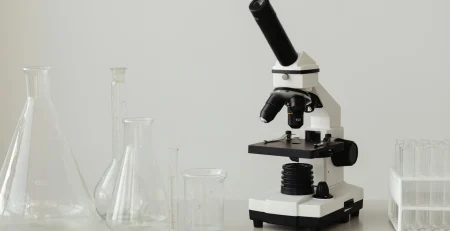
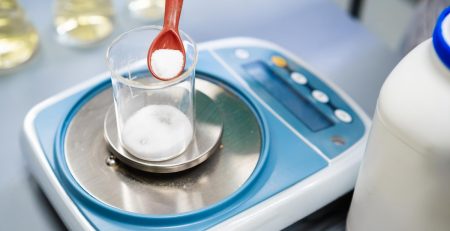
Many of our popular categories include balances, microscopes, pH meters, glassware, and lab consumables suitable for both regular use and specialist applications.
Common Mistakes When Picking Out Instruments
We’ve all had those moments where something looked good on paper but didn’t work out in practice. A few common habits can quietly derail a smart equipment plan.
• Picking based on what’s popular rather than what’s useful for the actual task
• Forgetting to check if the instrument works alongside other gear already in use
• Choosing tools that are far too complex for the users or too simple to get the job done right
It’s easy to get distracted by shiny upgrades or extras that sound good but don’t offer much for day-to-day use. Thinking about who will be using the gear matters too. If new tools require lots of training, it could slow things down short term and cost more time than expected.
Thinking Long-Term: Maintenance, Storage, and Upgrades
When we plan for new equipment, it helps to think past the first few weeks. How we care for instruments, where they’re stored, and whether they still work well after months or years all shape the value we get from them.
Basic upkeep matters. For example:
• Some tools need to stay dry or out of sunlight
• Sensitive equipment might need calibrated checks now and again
• Materials that resist rust or chemical damage last longer in tough lab settings
We also think about power sources and storage space. Is there a spot to keep everything charged or ready to go? Will the pieces tuck away safely, or will they need a dedicated home?
And then there’s the future. If we’re expanding the lab or changing the types of work we do, can the gear grow with us? Some systems can be upgraded or reordered to fit new needs. Others get left behind when routines shift, which ends up wasting time and money.
We supply a comprehensive selection of laboratory instruments, storage solutions, and accessories to help keep your workspace organised and ready for changes in scope or routine.
Getting the Best Fit for Your Lab Work
The right tools don’t just get the job done, they make daily work smoother. When our equipment fits how we work, we spend less time troubleshooting and more time getting results we can rely on.
Making thoughtful choices leads to better setups, better testing, and fewer surprises. Whether we’re working with students, chasing results in a research setting, or collecting samples out in the field, finding gear that meets real needs helps the whole process run better. It keeps us focused on the work, not the workarounds. And that’s where the real improvements happen.
Optimize your lab’s productivity by choosing from the wide range of lab instruments for sale in Australia that meet your specific needs. Whether you’re in education, industrial fields, or research settings, LabChoice Australia offers carefully selected equipment tailored to enhance your workflow. Let our expert team guide you in creating a lab setup that supports your goals and stands up to the unique demands of your environment. Contact us today for personalized assistance in finding the right tools for your everyday lab work.