29 Aug

Pipette vs Burette vs Volumetric Flask: Which Is Most Accurate for the Lab?

Accurate measurement is at the heart of every experiment. Whether preparing standard solutions, performing titrations, or running quality...
No Comments
29 Aug

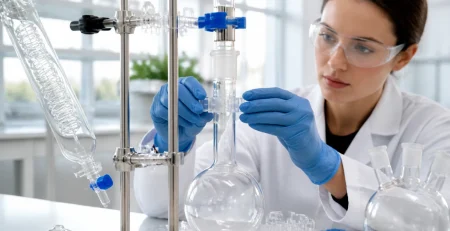
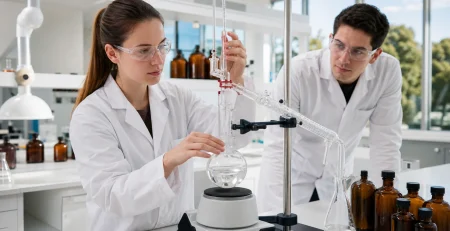
Distillation Glassware: Essential Setups for Education, Research, and Industry

Distillation is one of the oldest and most widely used laboratory techniques, applied in chemistry, pharmaceuticals, food science,...
No Comments
29 Aug

Erlenmeyer Flasks in Education and Research: The Most Versatile Lab Tool

The Erlenmeyer flask, also known as the conical flask, is one of the most widely used pieces of...
No Comments
29 Aug

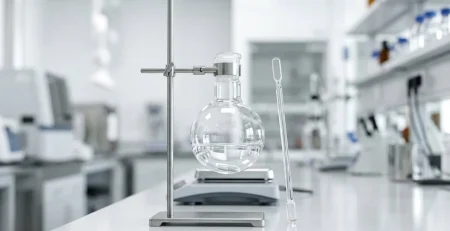
Round Bottom vs Flat Bottom Flasks: Which to Choose for Heating and Distillation

Boiling flasks are essential in laboratories for heating, mixing, and distillation. Available in both round bottom and flat...
No Comments
29 Aug

Vacuum Filtration in the Lab: How Büchner Flasks Improve Efficiency

Filtration is one of the most common techniques in laboratories, used for separating solids from liquids, purifying compounds,...
No Comments
29 Aug

Separatory Funnels Explained: Applications, Safety, and Choosing the Right Design

Separatory funnels are indispensable in chemistry and biology labs, used for separating immiscible liquids, solvent extractions, and purification...
No Comments
29 Aug

Glassware vs Plasticware: Which is Better for Modern Australian Labs?

Laboratories today have more choice than ever when it comes to consumables. Glassware has long been the standard...
No Comments
29 Aug

Amber vs Clear Reagent Bottles: Safe Storage for Sensitive Chemicals

Reagent bottles are essential for storing and transporting chemicals safely in the laboratory. The choice between amber and...
No Comments
29 Aug

Lab Supply Procurement in Australia: How to Optimise Costs Without Compromising Quality

Running a laboratory means balancing accuracy, compliance, and costs. One area that often challenges lab managers is procurement...
No Comments
29 Aug

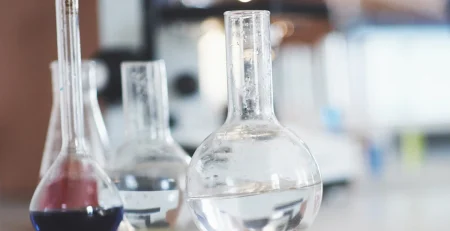
Volumetric Flasks in Analytical Chemistry: Why Precision Matters

Volumetric flasks are the foundation of accurate solution preparation in analytical chemistry. Unlike beakers or
No Comments
Can PTFE Stopcocks Improve Burette Reliability in Titrations

Can PTFE Stopcocks Improve Burette Reliability in Titrations

Reliable liquid delivery is the heart of a good titration. Whether you are working with acid-base, redox or complexometric methods,...
Incubator Shakers After a Temperature Excursion: Restart Checks

Incubator Shakers After a Temperature Excursion: Restart Checks

A temperature excursion deserves more than a quick restart. When incubator shakers move outside their approved temperature range, cultures, media,...
Choosing a Laboratory Vacuum Pump After Filtration Delays

Choosing a Laboratory Vacuum Pump After Filtration Delays

Slow filtration is more than a minor annoyance. When filtrate takes too long to pass through, batches stack up, sample...
The True Cost of Centrifuge Downtime in Busy Laboratories

The True Cost of Centrifuge Downtime in Busy Laboratories

A centrifuge stopping unexpectedly can affect far more than one piece of equipment. In a busy laboratory, it may hold...
Understanding Durable Plastic Joint Clips for Secure Glassware

Understanding Durable Plastic Joint Clips for Secure Glassware

Durable plastic joint clips help keep compatible glassware joints together when a setup is being handled, adjusted or exposed to...
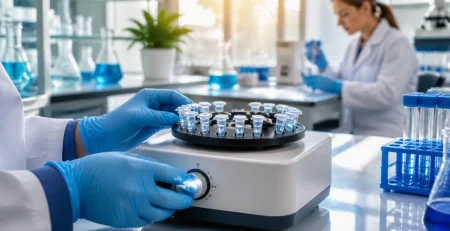
Variable-Speed Tube Rotators for Consistent Sample Mixing

Variable-Speed Tube Rotators for Consistent Sample Mixing

Controlled tube rotation helps you create even, repeatable sample mixing without relying on how quickly or gently each person handles...
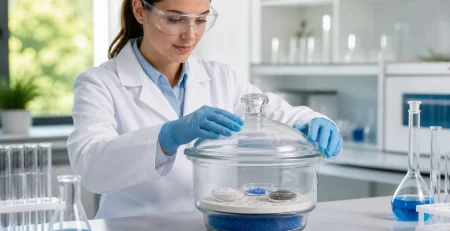
How to Set up a Glass Desiccator for Chemistry Drying

How to Set up a Glass Desiccator for Chemistry Drying

A glass desiccator for chemistry helps keep dried samples dry while they cool, wait for weighing or sit in short-term...
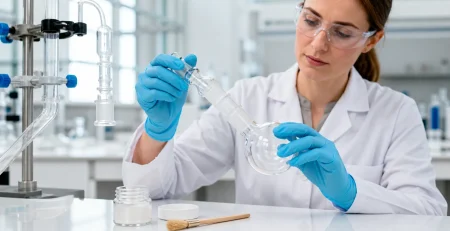
Prevent Joint Seizure When Using Glass Adapters and Joints

Prevent Joint Seizure When Using Glass Adapters and Joints

A seized ground glass joint can stop a distillation, reflux, filtration or sample preparation task without warning. It can also...
Laboratory Stand

How to Build Stable Laboratory Stands and Clamps in Australia

Build Safer Setups From the Bench Up Stable stands and clamps help us create safer laboratory workspaces, protect glassware and keep...
Digital Laboratory Water Bath

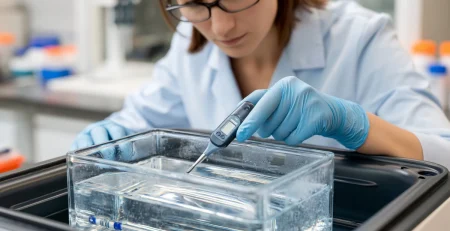
Why Digital Laboratory Water Baths Improve Method Consistency

A digital laboratory water bath gives you a clearer way to manage one of the most common sources of method...
Labware

In-House Vs Outsourced Testing: General Labware for Pharmaceutical QC

Choosing between in-house and outsourced pharmaceutical QC testing can shape far more than your daily workload. It affects batch release...
Laboratory Distillation Guide: Methods, Setup and Safety

Laboratory Distillation Guide: Methods, Setup and Safety

Distillation helps us separate or purify liquids by using differences in boiling point and volatility. It is a foundational technique...