Rethinking Disposable Labware for Pharmaceutical Aseptic Workflows
Clean aseptic work depends on far more than a good cleanroom and a steady hand. The small choices, like which disposable labware for pharmaceuticals you bring into the space, can quietly support or quietly undermine the whole process. When teams stop and rethink those everyday items, they often find chances to improve sterility, cut deviations, and make audits less stressful.
Across Australia, pharmaceutical teams are under pressure from more complex biologics, tighter TGA expectations, and a spike in sterile product demand during the winter illness season in August. Aseptic workflows feel that pressure first. In this article, we walk through how smarter choices in consumables can support sterility, protect product quality, and keep work flowing from research bench to production line.
Why Aseptic Teams Are Rethinking Disposable Labware
Aseptic processing is unforgiving. One small shortcut with consumables can lead to batch investigations, repeated runs, and long nights in the lab. That is why more teams are taking a fresh look at the labware that enters Grade A to C areas.
Disposable labware for pharmaceuticals affects several high-risk points at once:
- Contamination risk from poor sterilisation or weak packaging
- Material compatibility with biologics, solvents, and buffers
- How easily operators can handle items in gloves and under time pressure
When these factors are not thought through, you see more interventions, higher particle counts, and more questions during audits. When they are planned well, sterility assurance gets stronger, training is easier, and deviations drop across research, pilot, and full-scale production.
Sterility Assurance Starts with Smarter Labware Choices
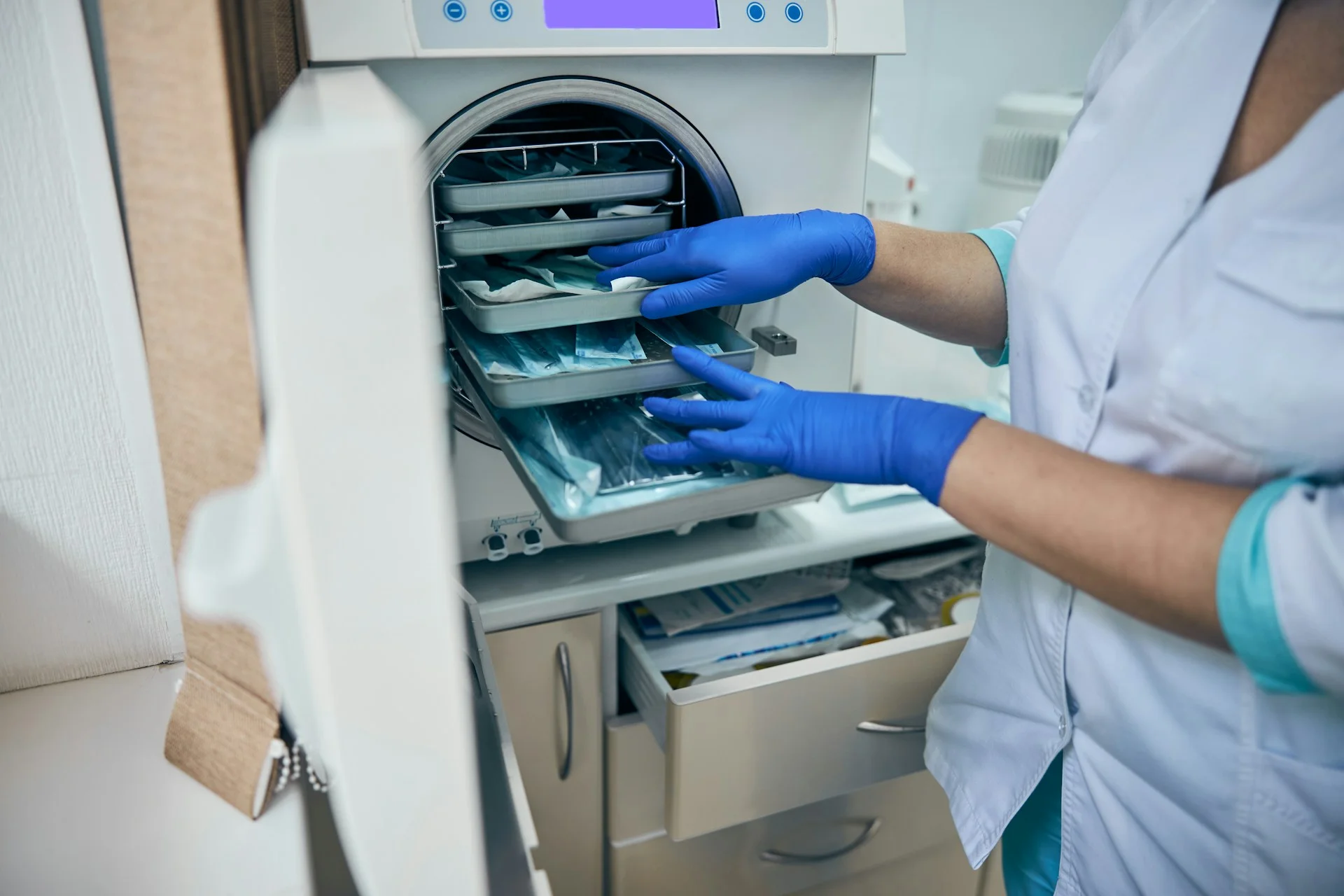
One of the first decisions is pre-sterilised versus on-site sterilised consumables. Autoclaving on-site can feel flexible, but it also brings risk.
Common problems with on-site sterilisation include:
- Autoclave overloads or rushed cycles during busy production days
- Inconsistent loading patterns that affect steam penetration
- Mixed items in the same run, which makes cycle validation harder
Pre-sterilised disposable labware for pharmaceuticals can reduce that burden, as long as the sterility information is clear and complete. Key things to look for include:
- Validated sterilisation method, such as gamma, ethylene oxide, or electron beam
- Stated Sterility Assurance Level (SAL) that aligns with your procedures
- Clear batch numbers and certificates for traceability and audit trails
Standardising SKUs across QC, microbiology, and production support can also make a big difference. When everyone is trained on the same flasks, vials, tubes, and pipette tips, there is less confusion and fewer handling errors. This helps:
- Simplify gowning room checks and material issue
- Reduce retraining when staff move between areas
- Keep aseptic technique consistent across the whole site
Material Compatibility and Particulate Risk in Cleanrooms
Not all plastics, and not all glass, behave the same way in a cleanroom. Even items that look similar on the bench can act very differently around biologics, solvents, and disinfectants.
Common materials used in disposable labware for pharmaceuticals include:
- Borosilicate glass for stability with heat and many solvents
- Polypropylene for good chemical resistance and autoclavability
- Polystyrene for clarity, useful for cell culture plates and dishes
- PET for certain bottles and containers that need good toughness
Each material carries its own profile for extractables, leachables, and particle shedding. In cell culture, sterile filtration, and media prep for biologics and injectables, these small effects can show up as strange growth patterns, filter clogging, or unexpected assay results.
When assessing consumables for use in Grade A to C support steps, look beyond the basic material and check for:
- Low lint, low particle packaging that will not shed in airlocks
- Double bagging so outer layers can be removed when moving through grades
- Controlled particle specifications from the supplier
- Proven compatibility with the disinfectants and alcohol strengths used more often in winter viral seasons
This kind of screening helps keep particle counts steady and supports reliable results from process development through to final fill.
Boosting Workflow Efficiency Without Compromising Compliance
Good aseptic labware does more than stay clean. It should help people work smoothly, with fewer interventions and fewer chances for error.
Carefully designed disposable labware for pharmaceuticals can:
- Shorten changeover times between batches or products
- Reduce the number of items an operator must bring into a critical zone
- Support lean layouts so staff are not reaching or crossing flows
Simple visual tools can reduce mix-ups when everyone is moving fast:
- Colour-coded caps, racks, or labels tied to products or steps
- Clear, easy-to-read graduations that line up with your SOP volumes
- Ergonomic grips that are easier to handle with double gloves
- Pre-configured kits for sampling, media prep, or fill-finish support
These details tie directly into data integrity and inspection readiness. When labware is standard and documented clearly in procedures, it is easier to:
- Show TGA inspectors consistent practice across teams
- Track deviations back to a specific lot or item type
- Keep batch records clean and understandable
Sustainability Pressures and Smarter Single-Use Decisions
Single-use consumables are not going away, but the way we choose and manage them can change. Australian pharma teams are feeling pressure around landfill waste and the energy load from incineration, especially as disposable use grows.
Rather than only aiming for less plastic, it can help to think in terms of smarter plastic:
- Choosing right-sized containers so you are not throwing out half-empty volumes
- Using certain disposables multiple times within a single-batch when procedures allow
- Selecting packaging formats that cut down on cardboard, plastic wrap, and void space
Practical strategies many teams find useful include:
- Consolidating orders to reduce freight trips and related emissions
- Preferring recyclable outer packaging where it fits with cleanroom rules
- Using supplier documentation to support ESG and internal sustainability reporting
The goal is not to compromise sterility or TGA compliance, but to make small, thoughtful changes that add up across the facility.
Partnering with the Right Labware Supplier in Australia
Supply continuity is now a quality topic, not just a logistics topic. During winter demand spikes or global disruptions, local supply and predictable lead times can protect aseptic manufacturing from sudden pauses.
Working with a specialist supplier in Australia gives teams access to:
- A broad range of glassware, plasticware, consumables, and equipment in one place
- Technical support that understands the needs of education, research, and industry labs
- Help matching products to different levels of regulation and cleanroom grades
At LabChoice Australia, we see real value in collaboration with aseptic teams across the country. By working together on validation packs, product samples, and alternative product mapping, it is possible to:
- De-risk labware changes before old lines are discontinued
- Test new items in a controlled, documented way
- Keep critical aseptic workflows running even when the supply picture shifts
Next Steps to Upgrade Your Aseptic Labware Strategy
A fresh look at disposable labware for pharmaceuticals does not need to be overwhelming. A simple, structured review can uncover quick wins and longer-term projects.
A short checklist to get started might include:
- Sterility validation, methods, SAL, and traceability for current items
- Cleanroom suitability, packaging, and particulate control
- Workflow fit, including ergonomics, visual cues, and kit options
- Supply resilience, alternative products, and local support
From there, it often helps to pilot improved labware in one defined process, such as media prep, aseptic sampling, or QC microbiology. Tracking contamination events, time savings, and operator feedback across a few cycles can give clear evidence for broader roll-out and help you build a stronger, more resilient aseptic labware framework across the whole site.
Secure Reliable Labware For Every Pharmaceutical Workflow
At LabChoice Australia, we help you streamline testing and production with quality-assured disposable labware for pharmaceuticals that supports consistent, reproducible results. Our team can recommend options that align with your protocols, budget and compliance requirements. If you would like tailored guidance or a product recommendation, simply contact us and we will work through your needs with you.