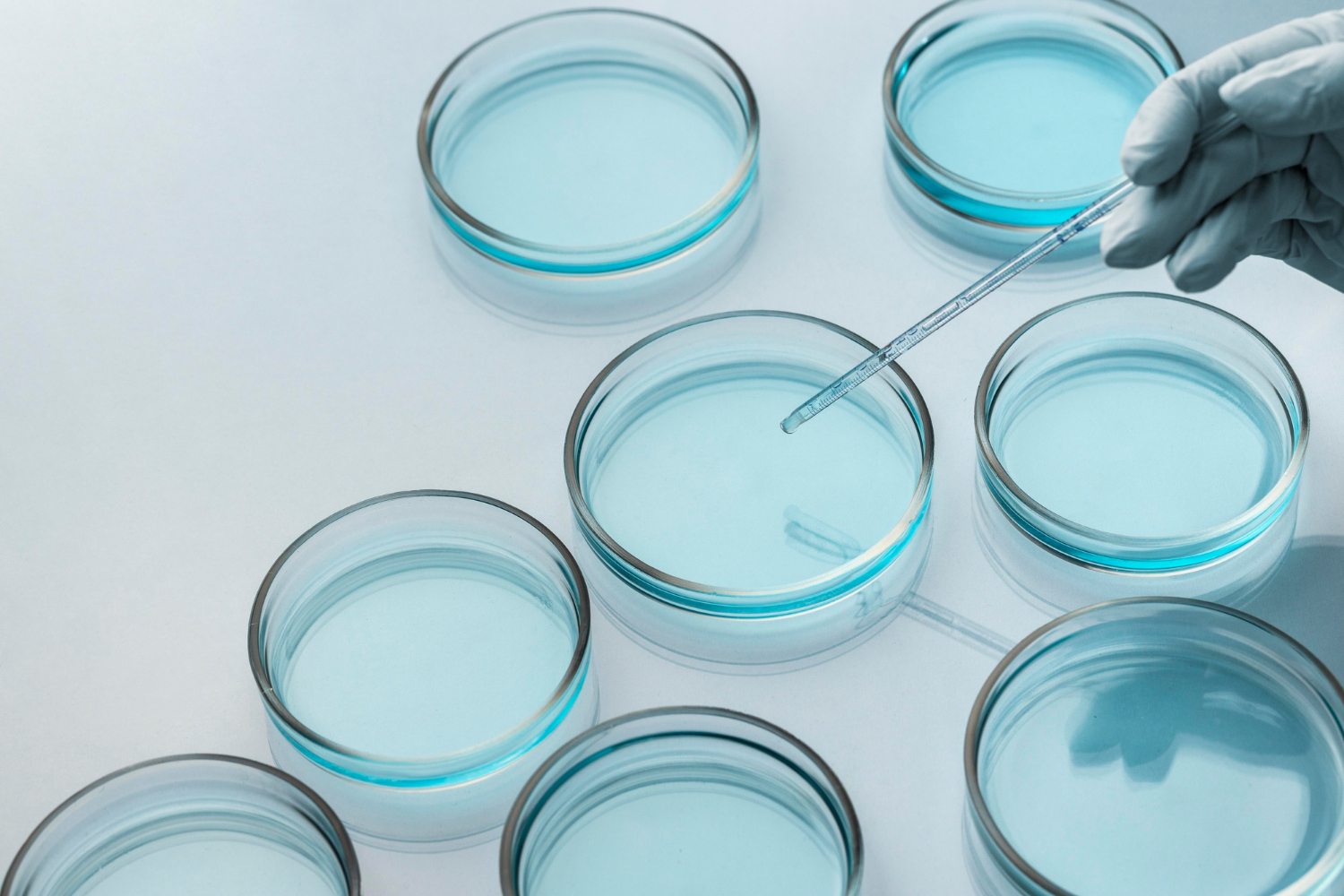
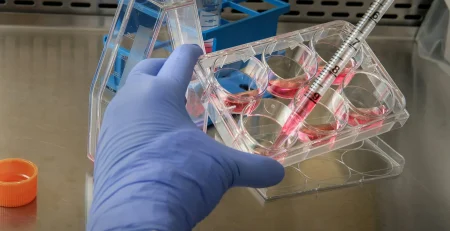
Accurate colony counts start with the small things, and the Petri dish is one of the smallest and most overlooked. When your lab is facing mid-year audits, semester assessments, or busy winter testing, you do not want to second guess whether a plate result is trustworthy. Reliable counts depend on both good technique and the right hardware, and that starts with true laboratory-grade Petri dishes that give your microbes a fair and consistent place to grow.
Across education labs, food testing, pharma quality control and research, a poor-quality dish can undo careful method design. Warped bases, rough surfaces, or weak sterility can mean spread colonies, odd morphology, or mystery contaminants. That is why we put so much focus on helping Australian labs choose Petri dishes that are consistent, compliant and stable in cooler months, from delivery through to storage and the incubator.
What Makes a Petri Dish Laboratory-Grade
Not every clear round dish is ready for microbiology. Laboratory-grade Petri dishes are built for accurate work, not crafts or display.
Key signs a dish is truly lab-ready include:
- High clarity so colonies are easy to see and count
- Precise diameter and depth so media volume and surface area are predictable
- Smooth, scratch-free surfaces that do not trap residues or fibres
- Proven sterility, with packaging that keeps plates clean until you use them
Manufacturing controls also matter. Good suppliers run consistent production, batch checks and traceable lot labelling. That kind of tracking helps when you need an audit trail or you are troubleshooting a run of odd results. Being able to point to a specific batch of dishes that passed quality checks is far more convincing than saying the plates just came from a mixed box.
Packaging is another big part of what makes something laboratory-grade. For example:
- Individually wrapped or sleeve-packed dishes to suit your contamination risk
- Vented wrapping that supports gas exchange but still protects sterility
- Clear expiry dates and lot codes printed on the sleeve or label
For labs scattered across Australian climates, packing that can handle transport and storage without tearing or fogging is just as important as the dish itself.
Material Matters Plastic vs. Glass Petri Dishes
Once you know you need laboratory-grade Petri dishes, the next choice is plastic or glass. Each has a place, and the right pick depends on your workload and method.
Disposable plastic dishes, usually made from polystyrene, are common in:
- High-throughput food and water testing labs
- Contamination-sensitive pharma QC areas
- Busy teaching labs where cleaning capacity is limited
Plastic plates come pre-sterilised and are used once, which lowers the risk of carryover contamination from washing. They are light, easy to stack and pair well with automated counters. However, they have lower heat resistance and do not like direct flame or very high drying temperatures.
Borosilicate glass dishes are better suited to:
- Research labs that autoclave and reuse equipment
- Work that needs strong heat resistance or direct flame nearby
- Teams focusing on sustainability and lower waste
Glass handles higher temperatures and many chemicals, and it keeps shape through multiple autoclave cycles if cleaned correctly. It can also give very flat, weighty bases that sit nicely in incubators. The trade-off is the extra steps: washing, drying, wrapping or packing for sterilisation, and a bit more care in handling to avoid chips.
Both options can give good colony morphology and readable plates when paired with the right method. The choice is usually about throughput, contamination risk, and whether your lab is set up for reliable cleaning and autoclaving.
Design Features That Improve Colony Counting Accuracy
The best Petri dishes look simple, but small design details make counting much easier when the plates start piling up around winter testing peaks.
Helpful base and wall features include:
- Flat, distortion-free bases so colonies keep proper size and shape
- Uniform wall thickness that supports even heat transfer
- Stacking rings that help tall stacks stay stable in incubators
Lid design also has a big impact. Vented lids, including triple-vented types, allow airflow that limits excess condensation and helps media dry to the right level. Non-vented lids hold moisture and are useful when you want to slow drying or keep plates sealed for longer.
When colony counts matter, small usability extras are worth it, like:
- Grid marked bases for easier manual counting and plate mapping
- Clear walls and lids that still grip well with gloves on
- Standard sizes that match your incubators, fridges and any automated counters
Choosing plates that match your daily workflow means fewer handling errors and less eye strain when you are checking plates for assessments or batch release.
Matching Petri Dishes to Your Method and Media
Different microbiological methods place different demands on the Petri dish. Spread plates need a smooth, even surface for the spreader to glide across. Pour plates and overlay methods work best with dishes that have enough depth to hold the media volume without touching the lid. Membrane filtration plates need a base that accepts the filter evenly, without bubbles or folds.
Here are some simple links between method and dish choice:
- Spread plates: flat bases, vented lids to help surface drying
- Pour plates: dishes with enough headspace, non-vented or lightly vented lids to hold moisture
- Membrane filtration: very clear bases for viewing through grids, consistent diameters
- Replica plating: precise size and flatness so tools line up plate after plate
Winter priorities in Australian labs often include food shelf-life checks, water quality monitoring and respiratory pathogen work. These areas tend to use standard dish sizes with defined media volumes so that growth patterns and colony spacing stay consistent. The right dish helps your selective or non-selective media perform as designed, supporting good isolation and easy readability.
For anaerobic work, non-vented lids or extra sealing steps can help reduce oxygen entry. For aerobic cultures, vented lids keep condensation off the surface and support healthy colony appearance.
Minimising Contamination From Bench to Incubator
Even the best laboratory-grade Petri dishes need good handling to keep contaminants out. Simple habits work with good dish design to protect your results.
Practical handling steps include:
- Only cracking the lid slightly when streaking or spreading
- Working near a flame or in a sterile field when opening plates
- Stacking plates upside down during incubation to reduce condensation drip
- Avoiding over-stacked or unstable towers in the incubator
Sterile assurance depends on both how the dish was made and how you store it. During cooler months, dishes should be kept in dry, clean cupboards away from direct heaters or damp. Rotating batches by expiry date helps avoid using old plates that may have weakened seals.
For lab managers preparing for winter peaks, a short checklist can help:
- Confirm stock levels of both glass and plastic dishes
- Check expiry dates and packaging for any tears or fogging
- Make sure staff know which dishes match which methods
- Keep supplier documentation handy for audits and internal checks
Doing this before the rush hits is much nicer than trying to troubleshoot contamination once plates are already in the incubator.
Choosing Smarter for Dependable Colony Counts
When colony counts feed into grades, product release, or public safety decisions, the Petri dish is not a place to cut corners. True laboratory-grade Petri dishes support clear, consistent growth and make it easier to see when something is wrong. That means fewer contaminated runs, less repeat work and smoother audits.
As seasons change and winter workloads grow, it is worth taking a fresh look at the dishes in your cupboards. Check whether the material, design and packaging still suit your current methods, media and equipment. At LabChoice Australia, we focus on supplying glass and plastic Petri dishes that match the realities of Australian labs, from teaching spaces to industrial microbiology, so you can count what matters with confidence.
Equip Your Lab With Reliable Petri Dishes Today
At LabChoice Australia, we provide consistently manufactured laboratory-grade petri dishes so your results stay accurate and reproducible. Whether you are scaling routine testing or setting up a new research project, we help you choose the right options for your workflow and budget. If you would like tailored recommendations or bulk pricing, please contact us and our team will respond promptly.