Build Filtration Setups That Sail Through Audits
Filtration setups in pharmaceutical labs get a lot of attention from inspectors, and for good reason. If the filtration is wrong, the whole batch can be at risk. Failed tests, repeat work, messy CAPAs and uncomfortable audit findings all tend to trace back to simple things like the wrong membrane, a cracked funnel, or unclear records.
Here in Australia, TGA, PIC/S and GMP expectations are not easing up. As we move into the cooler months, with HVAC under more strain and microbial control under the microscope, filtration stations become even more important. In this guide, we walk through how to specify, standardise and document filtration apparatus for pharmaceuticals so your setups stay calm and audit-ready all year round.
Regulatory Expectations Around Filtration Systems
Filtration touches a lot of GMP topics at once. It links to sterility assurance, contamination control, extractables and leachables, equipment qualification and change control. Inspectors know that a weak spot in filtration can quietly affect many products and tests.
Inspectors usually want to see that every filtration step has a clear purpose and has been thought through. They will ask questions like:
- What are you filtering and why
- Why did you choose this pore size and material
- How do you verify integrity or performance
- How do you clean or justify single-use
On the documentation side, they expect:
- User requirement specs that show how you chose the apparatus
- Supplier certificates for materials in contact with product
- Clear SOPs for setup, use, cleaning and storage
- Batch records that show how filtration was done for each run
- Deviation and investigation records when something goes wrong
If filtration looks ad-hoc or poorly recorded, it sends a strong signal that other parts of the system may also be weak.
Choosing the Right Filtration Apparatus for Pharmaceuticals
Picking filtration apparatus for pharmaceuticals is not just about what fits on the bench. It has to be right for the product, solvent and process, and it needs to stand up to both use and inspection.
Key selection points include:
- Chemical compatibility with products, cleaning agents and solvents
- Temperature resistance for hot filtrations or sterilisation steps
- Pressure or vacuum rating that matches your pumps and lines
- Suitability for sterilisation, like autoclave or gamma, without damage
Common apparatus types and when they work well:
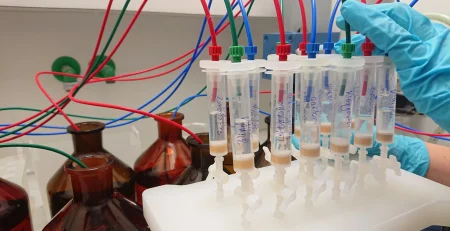
- Vacuum filtration manifolds: great for microbiology, sterility tests and multiple samples at once
- Syringe filters: handy for small volume sample prep in QC labs
- Bottle-top units: good for sterile media prep and buffer filtration
- Membrane holders: suited to defined test methods and validation work
Material choice matters too. In pharma spaces, we often see:
- Borosilicate glass, for clarity, chemical resistance and easy cleaning
- PTFE, for aggressive solvents and low extractables
- PVDF and PES, commonly used for sterile filtration of solutions
- Polypropylene, for disposable funnels, bottles and adaptors
Cleanability, extractables and documented suitability all affect how defendable your choice is during an audit.
Designing an Audit-Ready Filtration Workflow
An audit-ready workflow is more than good gear on the bench. It is about how samples move from start to finish without confusion or shortcuts.
Think through the full path:
1. Sample preparation and clear labelling
2. Selecting the right filter and apparatus from a defined list
3. Setting up equipment the same way every time
4. Running the filtration with recorded settings
5. Safe removal, disposal or cleaning and storage
Common red flags include:
- Unlabelled or poorly labelled funnels and flasks
- Cross contamination risks, like reusing tubing between products
- Ad hoc substitutions when stock runs low, without assessment
- Filters without visible lot numbers or missing packaging
Standardisation is your friend here. Use defined filter brands and membrane types for each test or product family. Lock in apparatus configurations so every shift uses the same layout. Agree on which parts are single-use and which are cleaned, then validate and record the cleaning approach.
To build traceability, make it easy to capture:
- Filter and membrane lot numbers
- Equipment IDs for pumps, manifolds and holders
- Operator initials and date or time of use
- Pressures, times and any integrity checks
When these details flow directly into batch and test records, inspectors can follow the story without hunting for missing pieces.
Setting up and Maintaining Equipment for Reliability
Even the best apparatus will fail audits if it is poorly installed or not maintained. Vacuum pumps, manifolds, holders, gauges and support glassware all need some care.
For installation and qualification, aim for:
- Clear layout on benches so tubing, power and waste paths are tidy
- Verified pressure and vacuum ranges against your method needs
- Initial leak tests and function tests with recorded results
- Labels or IDs fixed to each key item
Routine maintenance should cover:
- Checking seals, gaskets and valves for wear or cracking
- Inspecting joints and threads on glass and plasticware
- Regular leak testing on manifolds and lines
- Cleaning with approved agents, followed by good rinsing to avoid detergent or fibre residues
- Calibration or verification of gauges on a set schedule
Australian conditions bring their own twists. Temperature swings and winter HVAC loads can change drying times, impact vacuum performance and affect microbial growth around wet areas. Keep an eye on condensate in lines, extra moisture around drip trays and any slow drying glassware, because these can affect both product quality and environmental results.
Documentation, Training and SOPs That Impress Auditors
A good SOP for filtration should read like a clear recipe that leaves no room for guessing. It should spell out:
- Scope and where the procedure applies
- Roles and responsibilities at each step
- Step-by-step setup for each type of apparatus
- Required checks, like visual inspection and integrity tests
- Acceptance criteria for filtrate quality and process limits
- What to do if things go wrong, including when to stop and report
Even the best SOP will fail if people do not follow it. Training needs to show that staff can:
- Assemble and disassemble apparatus correctly
- Choose the right filter from the approved list
- Record data the same way every time
- Avoid clever workarounds that are not approved
Simple tools near filtration stations can make a big difference, such as:
- Laminated visual setup guides
- Small checklists for startup and shutdown
- Electronic or paper templates for recording parameters and integrity checks
These support consistency and give inspectors clear evidence that practice matches procedure.
Partnering with Suppliers to Strengthen Compliance
The right supplier can quietly support your audit readiness in the background. You want consistent quality, good traceability and clear technical data to drop straight into your validation and qualification files.
Useful questions to ask when you source filtration apparatus for pharmaceuticals include:
- What pore sizes and membrane materials are available for this line
- Are material certificates and conformity documents available
- Is there clear compatibility information for common solvents and products
- How stable is stock supply across Australia so standardisation can be maintained
At LabChoice Australia, we focus on laboratory glassware, plasticware, filters and accessories for educational, research, industrial, food and pharmaceutical labs, so we see a wide range of filtration needs. Thoughtful selection and standardisation across QC, R&D and production support areas can turn filtration from a stress point into a quiet strength in your next audit.
Achieve Reliable Pharmaceutical Filtration Outcomes
For precise, compliant results in your lab, choose specialised equipment that supports consistent performance. Our curated range of filtration apparatus for pharmaceuticals is selected to help you streamline workflows and maintain quality standards. If you are unsure which setup suits your application, contact us and we will work with you to find the right solution for your processes at LabChoice Australia.