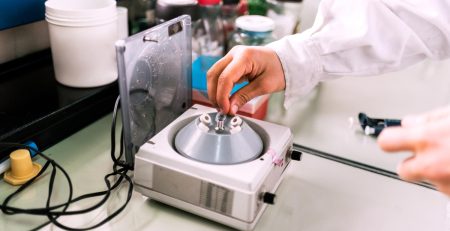
Why Centrifuge Tube Choice Matters
Choosing the right centrifuge tubes has a huge impact on how your lab work turns out. Tube quality affects accuracy, sample integrity, and how easily your results can be repeated. A tube that bends, leaks, or reacts with your sample can quietly undo hours of careful prep.
Centrifuge tube performance really matters in many spaces. Clinical labs rely on clean separation of blood components. Research labs need consistent pellets for DNA, RNA, and protein work. Industrial labs need reliable tubes for quality control testing. Teaching labs need safe, simple tubes that students can use again and again without problems.
Before you buy centrifuge tubes bulk, it is important to understand which type suits your protocol. The wrong bulk order can sit on the shelf for months because nobody trusts it. LabChoice Australia helps you choose correctly the first time, so bulk orders do not go to waste.
Understanding Centrifuge Tube Materials
Most labs will choose between polypropylene, polycarbonate, and glass centrifuge tubes. Each material behaves differently when you add chemicals, change temperature, or run at higher speed.
Here is a simple breakdown:
- Polypropylene (PP): Great chemical resistance, good for many buffers and biological samples, often usable from fridge to moderate heat
- Polycarbonate (PC): Very clear and strong, suitable for higher speeds, but may not like some harsh solvents
- Glass: Handles many organic solvents, can tolerate high speed and heat, but is heavier and can break if handled roughly
Plastic tubes are usually the first choice for routine spins, pellets from cells, and day-to-day research work. They are light, disposable, and easier to manage when students or new staff are still learning. If your lab frequently uses organic solvents, factor this into your decision before you buy centrifuge tubes bulk because not all plastics cope well with these chemicals.
Glass tubes come into play when organic solvents are common or when you need high-speed spins with strong chemical exposure. They can support more demanding protocols but need careful handling. LabChoice Australia offers both plastic and glass options so you can standardise materials across your centrifuge workflows and keep things simple across the team.
Size, Shape, and Volume
Tube size and shape should match your protocol and your rotor. Picking volumes that fit your usual work helps keep spins balanced and pellets easy to find.
Common sizes include:
- 1.5 to 2 mL microtubes for small molecular biology samples
- 15 mL tubes for mid-size spins such as cell pellets or media samples
- 50 mL tubes for larger volumes, wash steps, and industrial or QC work
Conical tubes help pull pellets into a tight point at the bottom, which is useful when you want to remove supernatant without disturbing the pellet. Round-bottom tubes can be easier to resuspend pellets and are often used where gentle mixing and recovery are more important than sharp separation.
Fill volume is just as important. Underfilling can lead to poor separation, while overfilling can risk leaks or cap failures. Standardising on a few core sizes before you buy centrifuge tubes bulk can simplify inventory and reduce ordering errors. LabChoice Australia can help audit your current workflows to recommend the ideal size mix for bulk purchasing so storage shelves stay tidy and useful.
RCF Ratings, Temperature, and Rotor Fit
Every centrifuge tube has a maximum RCF rating, which is the highest g force it can safely handle. If your centrifuge speed is too high for the tube, you risk cracks, leaks, or complete tube failure. This can ruin samples and contaminate the rotor.
Key points to check include:
- Maximum RCF rating that matches or exceeds your planned speed
- Temperature range that fits your runs, from refrigerated to room temperature
- Ability to handle autoclaving or cryogenic storage if your workflow needs it
- Rotor compatibility, such as swinging-bucket versus fixed-angle adapters
Swinging-bucket rotors are handy for density gradients and even layering, while fixed-angle rotors are common for quick pellets at higher speed. The tube and rotor must fit together correctly so the tube is supported along its length.
Always confirm tube RCF and temperature ratings before you buy centrifuge tubes bulk, especially for high-speed or refrigerated runs. LabChoice Australia lists clear performance specs to help you match tubes to your centrifuge models and avoid surprises during busy runs.
Closures, Sterility, and Sample Security
The closure system holds everything together when the rotor starts spinning. A good cap stops leaks, keeps your team safe, and protects downstream work.
Screw-cap tubes give strong leak resistance and are often preferred for biohazardous, volatile, or precious samples. Snap-cap tubes are quick and convenient for routine work where the risk of leaks is lower and speed matters more than a perfect seal.
You can also choose between different sterility levels:
- Non-sterile tubes for many general spins and industrial samples
- Sterile tubes for cell culture and microbiology
- RNase or DNase free tubes for sensitive DNA and RNA workflows
Choosing the right closure type when you buy centrifuge tubes bulk reduces the risk of leaks, contamination, and sample loss. LabChoice Australia supplies sterile and specialty-treated tubes for sensitive downstream applications so you can protect delicate samples even in busy lab settings.
Quality, Compliance, and Buying Smart in Bulk
For many Australian labs, quality is about more than just the physical tube. Batch consistency, clear documentation, and reliable labelling all support good records and smoother audits in GLP or GMP style environments. When tube quality is steady, your team can focus on science rather than chasing odd results.
It is not just about price when you buy centrifuge tubes bulk; quality documentation and traceability matter for audits and for your own peace of mind. Working with a specialist supplier that understands local shipping, climate differences between cooler southern states and hotter northern regions, and Australian regulatory expectations can make day-to-day lab life easier.
Bulk purchasing makes sense when:
- Your lab runs high-throughput testing with constant tube use
- Teaching labs need large numbers for student classes
- Industrial and QC labs rely on the same tube types every day
- Multiple departments can share a standard tube range
Once you have validated performance, it is cost effective to buy centrifuge tubes bulk to support ongoing projects. A smart approach is to test a few options in smaller quantities, standardise on the ones that suit your protocols, then scale up. LabChoice Australia offers bulk packs and ongoing supply arrangements tailored to your lab’s usage patterns so you can keep shelves stocked without overfilling your storeroom.
Secure Reliable Centrifuge Tube Supply For Your Lab
If you are looking to buy centrifuge tubes in bulk, we can help you maintain consistent stock without compromising on quality. At LabChoice Australia, we carefully source products to support accurate results and everyday lab efficiency. Whether you have specific volume requirements or need guidance on the right tubes for your applications, our team is ready to assist. If you would like tailored advice or a quote, please contact us.