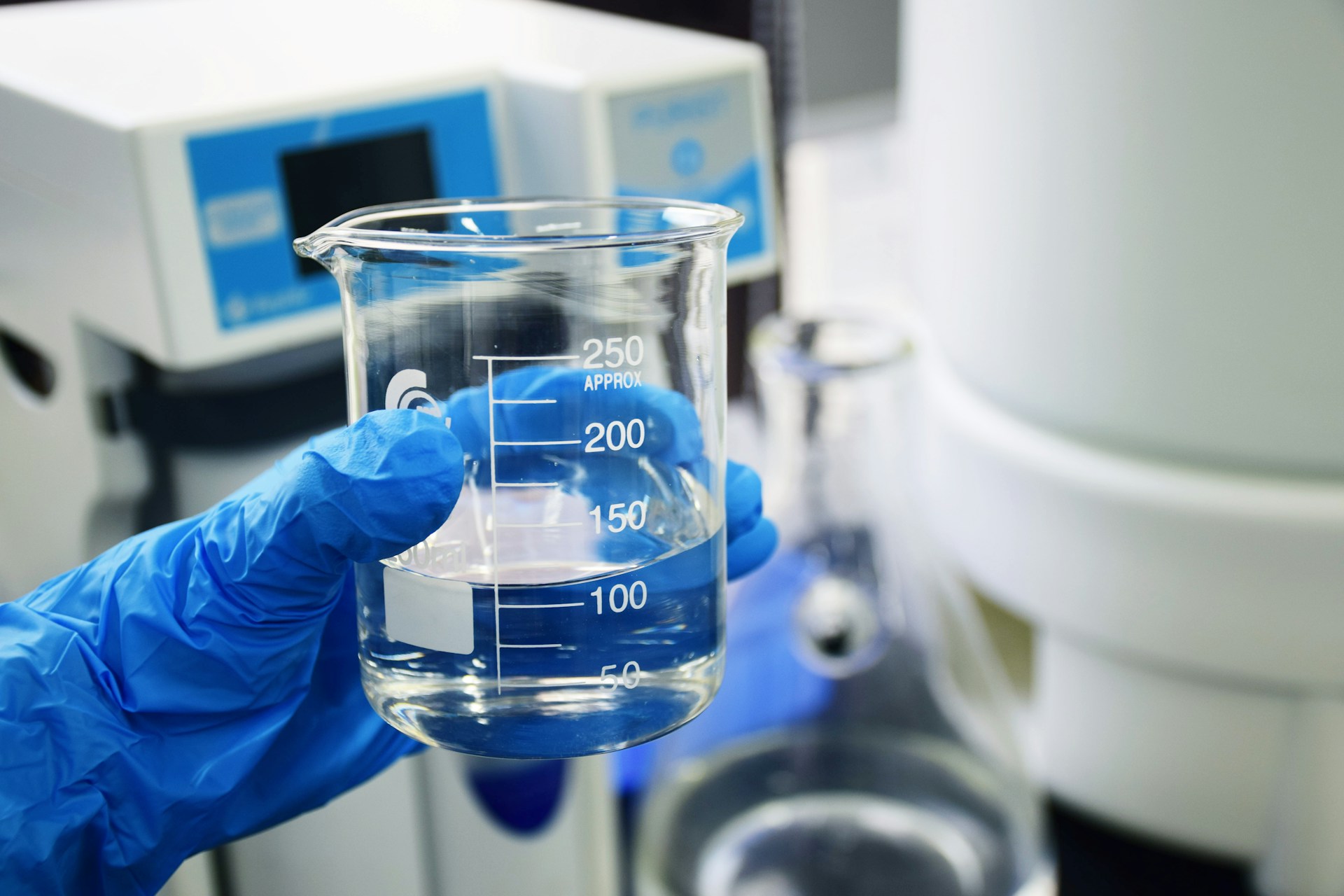
Beaker condition has a direct impact on safety, data quality and budgets in every Australian lab, school and field site. A beaker that looks “mostly fine” can still be a weak point in your workflow, especially once heat, chemicals and students or new staff enter the picture.
At LabChoice Australia, we see daily how beaker condition affects real work in chemistry, biology, STEM education, distillation and industrial testing. Drawing on that experience, this guide explains how small chips, scratches and etched surfaces turn into breaks, failed runs and contamination. We then give you a practical care and inspection checklist that fits real lab routines, from start‑of‑term setups to pre‑winter maintenance blocks, so you know exactly when to retire and replace your laboratory beakers.
Protecting Your Beakers Before They Fail
Beakers take a lot of abuse. They sit on hotplates, go in autoclaves, move between benches, and get stacked on trolleys. In school STEM labs, they are handled by new learners, and in research or industrial labs they are part of daily production and QA work.
Small flaws do not stay small for long. Chips and scratches concentrate stress when beakers are heated or cooled, can grow into cracks after a bump or knock, and often catch residues that are hard to remove. Over time, those same weak points can turn into sudden fractures that can cause cuts or spills.
At LabChoice Australia, our aim is straightforward: provide Australian laboratories, schools and research teams with research‑grade BORO 3.3 glassware and robust Polylab plasticware, backed by clear inspection and care practices that keep that quality working for you.
This beaker care and inspection checklist can be dropped into:
- Start‑of‑term classroom setups
- Instrument validation or calibration cycles
- Pre‑winter checks when hot work and heavier heating often increase risks
As a specialist supplier that works with Australian chemistry, biology, STEM and industrial testing labs every day, LabChoice sees where glassware lasts and where it fails. The guidance below reflects that real‑world experience so your teams get safe, reliable use from every piece, whether you choose LabChoice BORO 3.3 beakers or compatible Polylab plastic options.
Why Beaker Condition Directly Affects Your Results
Beakers might look basic, but they sit at the heart of the following:
- Chemistry hotplate work and reagent mixing
- Biology media prep and sample collection
- STEM teaching in schools and TAFEs
- Distillation support and receiver roles
- Analytical prep and industrial QC testing
They handle mixing, heating, cooling, approximate volume work and sample holding. If the glass is damaged, all of those steps are at risk.
Chips and micro‑cracks act as stress concentrators. When a damaged beaker is heated on a hotplate, moved into or out of an autoclave, or knocked against metalware or another beaker, the stress is focused around that flaw. What looks like a harmless chip can quickly open into a visible crack or a star fracture across the base.
Scratches and etched interiors are just as serious because they trap detergents, salts and buffer residues. That makes cleaning validation hard to trust, increases the chance of cross‑contamination, and can even leach trapped contaminants back into future runs.
High‑quality BORO 3.3 glassware, such as the research‑grade ranges supplied by LabChoice Australia, is designed for controlled thermal performance and dimensional stability. That means:
- Better resistance to thermal shock
- More consistent wall thickness
- Lower chance of sudden fracture from normal lab use
- Reliable volume markings for approximate work
Keeping that quality intact is the whole point of regular inspection.
Daily and Weekly Beaker Inspection Essentials
A quick visual and tactile check before use is often enough to catch early problems. Under good lighting, rotate each beaker slowly and focus on:
Rim and spout
- Any chips or rough spots where lips or fingers touch
- Tiny impact marks along the pouring edge
Walls and interior
- Long or deep scratches, especially inside
- Cloudy or permanently frosted patches
- Devitrification, where glass looks dull or slightly crystalline
- Impact rings where magnetic stir bars have hit repeatedly
Base
- Star cracks that spread from a central point
- Hairline fractures that appear only at certain angles
Graduations and markings
- Faded or missing graduations
- Illegible capacity labels
For busy teaching labs, research groups and industrial sites, a realistic routine is to do a quick check before each use (rim, spout and base), then schedule a deeper check at the end of the week or batch (full surface, interior and markings).
To keep control of borderline items:
- Tag “suspect” beakers with lab tape and a short note
- Isolate them to a holding tray away from general stock
- Add a beaker check line into existing safety or QA forms
This makes inspection part of normal workflow, not an extra task that gets skipped.
When to Retire Chipped, Scratched or Etched Beakers
Having clear rules takes the guesswork away. As a simple baseline, retire immediately any beaker that has:
- Chips on the rim or spout
- Star cracks or fractures in the base
- Visible cracks after a drop, bump or thermal shock event
These pieces are unsafe and not worth keeping “for rough work”. Cuts from a chipped lip or a base failing on a hotplate are avoidable incidents.
Light external scratching on the outside wall is usually acceptable for low‑risk tasks, such as:
- Non‑critical mixing
- Rough volume work where contamination risk is low
But retire or downgrade beakers when scratches are inside where samples contact the glass, when interior surfaces are etched or permanently cloudy, or when you work in analytical, biological or hygiene‑sensitive workflows.
Grey areas come up often, such as:
- Old etched beakers in teaching stores
- Beakers with half‑faded graduations
- Glass that has been through harsh cleaning regimes or exposed to aggressive reagents
For teaching, some legacy items might be fine for demonstration only, with no heating and no contact with critical reagents. In compliance‑focused environments like ISO‑ or NATA‑accredited labs or spaces guided by GMP expectations, it is safer to treat worn, etched or poorly marked beakers as non‑compliant and remove them from regular service.
From a LabChoice perspective, the real comparison is not between “keep or replace a beaker”, it is between:
- The small cost of timely replacement with reliable LabChoice BORO 3.3 or Polylab options, and
- The much bigger cost of failed batches, repeat testing, incident reports and potential injuries
Clear retirement rules are one of the simplest ways to lower that risk.
Cleaning, Handling and Storage for Longer Beaker Life
Good care stretches the life of quality glassware. For BORO 3.3 beakers supplied by LabChoice Australia, focus on:
Cleaning
- Use lab‑grade detergents that are suitable for glass
- Choose soft brushes sized to the beaker, not stiff or metal‑bristled tools
- Avoid abrasive pads that scratch the interior
- Rinse thoroughly, including final rinses with deionised or distilled water for analytical work
Handling
- Avoid metal‑to‑glass knocks when using tongs or stands
- Do not stack beakers when wet; they can stick then snap apart
- Use baskets or trolleys for moving larger numbers
- Manage temperature changes; do not move straight from hotplate to cold sink
Storage
- Store beakers upright, not stacked inside one another
- Protect rims and spouts from contact with heavy metalware
- Separate glass and plastic in teaching labs so junior students know which can be dropped and which cannot
Research‑grade BORO 3.3 beakers from LabChoice are built for repeated heating and autoclaving, and Polylab plastic beakers available through LabChoice are helpful for junior classes or non‑critical applications where shatter risk is a concern. The same simple care rules still apply.
Choosing Replacement Beakers You Can Depend On
When you retire damaged laboratory beakers, choose replacements that match your work, not just your cupboard space. Key selection criteria include:
- BORO 3.3 glass composition for thermal shock resistance
- Consistent wall thickness for even heating and strength
- Clear, durable graduations that stay readable over time
- Designs that follow relevant ISO or ASTM style expectations where required
LabChoice Australia curates BORO 3.3 glassware and Polylab plasticware to these expectations so Australian labs can standardise across teaching, research and industrial testing spaces with confidence.
For Australian schools, universities and industry, it helps to work with a specialist supplier that focuses on research‑grade standards and continuity of supply across the teaching and industrial year. LabChoice is structured around those needs, making it easier to keep the same forms, volumes and ranges on hand as cohorts, methods and testing loads change.
Different tasks naturally call for different beaker choices, such as:
- Low‑form beakers for hotplate chemistry and general mixing
- Tall‑form beakers for distillation support and phase separations
- Chunkier, easy‑to‑handle models for school STEM labs
- Clean, low‑contamination glassware for analytical sample prep and QC
Consolidating your beaker supply with LabChoice as your premium source supports consistent performance, easier training for new staff and simpler inventory planning as seasons shift and workloads rise, especially around winter practical blocks and peak testing periods.
Put a Beaker Safety Checklist Into Practice Today
The most effective labs treat beaker checks as standard safety practice, not an occasional clean‑up task. A simple, one‑page checklist can sit with your induction pack, start‑of‑term setup notes and pre‑maintenance routines so that new team members and students form good habits from day one.
Practical next steps include:
- Auditing your current beaker stocks, by bench or teaching room
- Removing high‑risk chipped or cracked items before heavy practical blocks
- Marking borderline glass for non‑critical use or for disposal
- Maintaining a rolling replacement list, so orders match real demand
LabChoice Australia can support these steps with consistent ranges of BORO 3.3 glass beakers and Polylab plasticware, suitable for chemistry, biology, STEM education, distillation support, analytical work and industrial QC. Disciplined beaker care, timely retirement and careful selection of new LabChoice‑supplied BORO 3.3 glassware or suitable Polylab plastic options support safer spaces, cleaner data and smoother workflows in every Australian laboratory, from school labs to research groups and industrial testing sites.
Equip Your Lab With Reliable Beakers That Deliver Accurate Results
Choose from our curated range of laboratory glassware beakers to support precise measurements and safe handling in every experiment. At LabChoice Australia, we focus on quality and consistency so your team can work with confidence across teaching, research and industry settings. If you need help selecting the right capacity, material or design for your setup, simply contact us and we will guide you.