Make Every Culture Observation Clearer
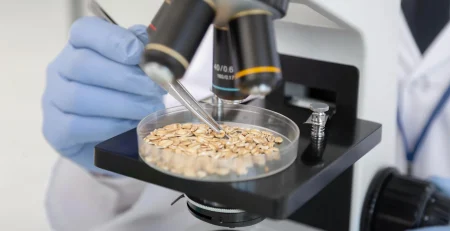
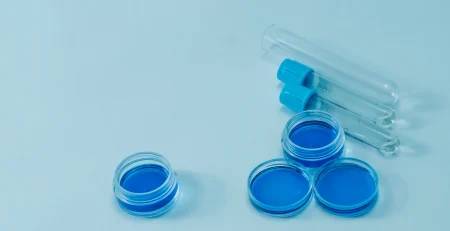
Petri dishes are a familiar part of laboratory work because they make small details easier to see. From growing microorganisms on agar to holding a prepared sample, the right dish supports clearer observations and steadier workflows. We see them used across microbiology, education, food testing, environmental monitoring and industrial quality control.
The best choice depends on what you are testing, how long the sample will incubate, whether sterility is needed and whether the dish is intended for single use or reuse. Below, we cover common uses, material and format options, safe handling and practical stock planning for Australian laboratories.
Where Petri Dishes Support Everyday Lab Work
In routine microbiology, Petri dishes provide a contained surface for growing, isolating and observing microorganisms on solid agar media. You may use them to check culture purity, count colonies, compare microbial growth or support identification procedures. They can also be part of antibiotic susceptibility testing when your laboratory procedure calls for agar-based observation.
Their usefulness extends well beyond a standard microbiology bench. We often recommend matching the dish format to the task, especially when handling samples that need clear separation, controlled incubation or simple visual checks.
Common applications include:
- Food and beverage quality testing
- Water analysis and environmental surface monitoring
- Pharmaceutical and industrial testing workflows
- School and university practical classes
- Drying small samples, holding specimens or observing materials
Size and depth matter more than they may seem. Standard 90 mm dishes suit many everyday culture workflows and stack neatly in incubators. Smaller dishes can be handy when sample volumes are limited, bench space is tight or a teaching activity needs a compact format. A deeper dish may better suit larger agar volumes and can help limit dehydration during longer incubation periods.
Whatever the application, consistent consumables help make results easier to compare. Clear dishes, stable stacking and well-fitting lids all support reliable observation from one procedure to the next.
Glass and plastic dishes each have a place in the laboratory. Reusable glass dishes are valued for their durability, chemical resistance and compatibility with high-temperature sterilisation. When choosing a glass Petri dish supplier, we recommend checking that the reusable format suits your laboratory’s cleaning, inspection and sterilisation processes.
Disposable plastic dishes are often selected for convenience. Pre-sterilised packs can reduce preparation time and remove the need for cleaning after a single procedure. Polystyrene is common for disposable culture dishes, while polypropylene may suit tasks needing greater temperature or chemical resistance. Before ordering, you should always confirm that the material is compatible with your media, incubation conditions and planned sterilisation method.
A few format details can make daily handling much smoother:
- Vented lids can support gas exchange during culture growth
- Non-vented lids may suit procedures where moisture retention matters
- Compartment dishes can keep samples or media separated
- Sterile and non-sterile packs suit different preparation needs
- Treated and untreated surfaces may suit different applications
It is worth reading the product specifications before adding dishes to your regular order. We suggest checking the diameter, depth, lid fit, pack quantity, sterility status, autoclavability and any traceability requirements that apply to your work. A dish that looks similar on the shelf may perform quite differently once it enters a busy laboratory routine.
Protect Samples with Sound Aseptic Practice
Clean handling starts before the dish is opened. Preparing and disinfecting the work area, wearing suitable personal protective equipment and using sterile tools all help protect your sample and the surrounding laboratory environment. We also encourage you to limit unnecessary movement around open cultures, as this can reduce the chance of unwanted contamination.
During inoculation, open the lid only as far as needed and close it again promptly. Avoid setting lids face-down on benches, where they may pick up contaminants. Labelling should go on the base of the dish rather than the lid, so the sample remains identifiable if lids are moved during incubation or handling.
Many culture dishes are incubated upside down. This common practice helps stop condensation from collecting on the lid and dripping onto the agar surface, where it can disturb colony growth or spread material across the dish.
Storage and disposal deserve the same care as inoculation. Keep sterile disposable dishes sealed until you need them, in a clean, dry space away from direct sunlight and excessive heat. Used culture dishes should be decontaminated and disposed of in line with your laboratory procedures, workplace safety requirements and relevant Australian regulations. For reusable glass dishes, clean thoroughly, inspect for chips or cracks, then sterilise before returning them to service.
September is also a sensible time to review these habits. Spring restocking and increased semester teaching activity can place more pressure on benches, incubators and storage areas. A quick check of contamination controls, stock rotation and dish inventory can prevent avoidable interruptions later in the season.
Source Dependable Dishes for Australian Labs
When selecting a glass Petri dishes supplier, product consistency should be high on your list. We believe clear technical information, dependable stock availability and formats suited to research, education, testing and industrial settings make purchasing easier and help laboratories maintain consistent processes.
Buying through an Australian laboratory supplier can also simplify planning. Local stock access may reduce delivery uncertainty, while appropriately sized packs can help you balance available storage space, expected usage and budget control. Rather than ordering by habit, review how quickly dishes move through each work area and whether sterile packs, reusable glassware or a mix of both best suits the workload.
Before purchasing, we recommend confirming:
- Whether dishes are sterile, reusable or autoclavable
- Lid style, including vented, non-vented or compartment options
- Pack format, including sleeves that support clean handling
- Dish dimensions and compatibility with incubator racks
- Related consumables such as agar media, labels, inoculating loops and specimen containers
At LabChoice Australia, we supply laboratory equipment, glassware, plasticware and consumables for laboratories that need precision and durability. Selecting the right dish specification early helps keep routine work organised, whether you are restocking for teaching, research, testing or industrial quality checks.
Put Better Petri Dish Practice Into Action
Better results begin with a sensible match between the dish and the task. Choose the material, size, depth and lid style that fit your procedure, then apply the same aseptic habits from preparation through incubation, storage and disposal. Small choices, such as labelling the base and keeping sterile packs sealed, can protect the clarity of your observations.
Before spring workloads build, review current dish stock and identify gaps in sterile disposable supplies or reusable glass options. Working with a dependable glass Petri dishes supplier and keeping compatible consumables on hand can help your laboratory stay prepared without disrupting established procedures.
Maintain Reliable Laboratory Workflows
LabChoice Australia offers practical options for laboratories balancing routine culture work, sample handling and quality requirements. Browse our range from a dependable glass Petri dishes supplier to find suitable reusable glassware for your processes. If you need help selecting compatible products, contact us for tailored assistance.