1 Sep

Class A vs Class B Glassware: Accuracy Standards Explained

Accuracy is the foundation of reliable laboratory results. Whether in schools, research institutes, or Australian quality control labs,...
No Comments
29 Aug

Wire Gauze in the Laboratory: Why Every Lab Needs It for Safe Heating

Wire gauze is a simple but vital piece of laboratory equipment used to support glassware during heating. By...
No Comments
29 Aug

Parafilm in the Laboratory: Sealing, Storage, and Best Practices

Parafilm is a flexible, stretchable sealing film used in laboratories worldwide. Known for its ability to create airtight...
No Comments
29 Aug

Mortar and Pestle in the Lab: Uses in Chemistry, Biology, and Material Science

The mortar and pestle is one of the oldest laboratory tools, yet it remains indispensable in modern science....
No Comments
29 Aug

Filter Paper in the Lab: Grades, Applications, and Selection Guide

Filter paper is one of the simplest yet most widely used consumables in laboratories. From separating solids from...
No Comments
29 Aug

Centrifuge Tubes Explained: Materials, Sizes, and Safe Autoclaving Practices

Centrifuge tubes are essential in laboratories for separating and storing samples during centrifugation. Available in various sizes and...
No Comments
29 Aug

Amber vs Clear Glass Bottles: Protecting Chemicals from Light and Degradation

Safe chemical storage is a critical aspect of laboratory management. While both amber and clear glass bottles are...
No Comments
29 Aug

Graduated vs Volumetric Glassware: Accuracy, Applications, and Choosing the Right Tool

In laboratory science, accuracy is everything. The choice of glassware can determine whether results are reliable, reproducible, and...
No Comments
29 Aug

How to Set Up a Safe Laboratory Workstation: Clamps, Stands, and Supports Explained

A safe and efficient workstation is the backbone of every laboratory. From chemistry demonstrations in schools to advanced...
No Comments
29 Aug

Bunsen Burner vs Spirit Lamp: Which Heating Tool Is Safer for Your Lab?

Heating equipment is central to laboratory work, from sterilising instruments to conducting flame tests and chemical reactions. Two...
No Comments

Spirit Lamps and Alcohol Burners: Simple and Reliable Heat Sources for the Laboratory

Compact and portable heating for classrooms and fieldworkAvailable in stainless steel, aluminium, and glass designsConsistent flame for sterilisation and small-scale...

Volumetric Flasks: Precision Glassware for Accurate Solution Preparation

Class A flasks ensure the highest volumetric accuracyBORO 3.3 glass resists thermal and chemical stressClear calibration marks provide reproducible resultsAvailable...

Bunsen Burners: The Essential Heat Source for Safe and Reliable Laboratory Work

Adjustable flame for precise laboratory heatingCompatible with natural gas and LPG systemsDurable construction ensures long-term useEssential for microbiology,

Class A vs Class B Measuring Cylinders – What’s the Difference?

Measuring cylinders are essential for volume measurement in any laboratory, but not all cylinders are created equal. The distinction between...

The Essential Guide to Graduated Beakers – Accuracy, Uses, and Limitations

Graduated beakers are among the most common pieces of laboratory glassware, found in schools, universities, and research...

Beakers vs Flasks: Which Should You Use for Mixing and Heating?

Beakers and flasks are the backbone of laboratory glassware, yet many labs misuse them interchangeably. While both...

The Top 5 Beaker Sets Every Australian School Lab Should Have

Science classrooms across Australia rely on beakers for everything from simple solution mixing to heating experiments. Choosing the right beaker...
Heating Beaker Safety Guide for BORO 3.3 Glassware | LabChoice Australia

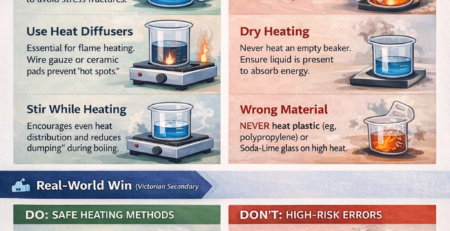
Beaker Safety in Heating Applications – Best Practices for Australian Labs

Heating is one of the most common laboratory procedures, but it’s also one of the most likely to cause accidents...

The Sustainability Benefits of Choosing Borosilicate Beakers in Australian Labs

Laboratories are under growing pressure to reduce waste and operate more sustainably. One simple yet effective switch is choosing borosilicate...

Top 5 Mistakes When Using Laboratory Beakers (and How to Avoid Them)

Beakers are one of the most widely used pieces of lab glassware, but small mistakes in their handling can lead...

Borosilicate vs Polypropylene Beakers – Which is Right for Your Lab?

Choosing between glass and plastic beakers depends on your lab’s priorities—accuracy, durability, or cost-effectiveness. Both borosilicate (BORO 3.3) and polypropylene...

How to Choose the Best Borosilicate Beaker Set for High-Heat Lab Use

When working with heating applications, selecting the right beaker set can directly affect accuracy, safety, and longevity of your experiments....