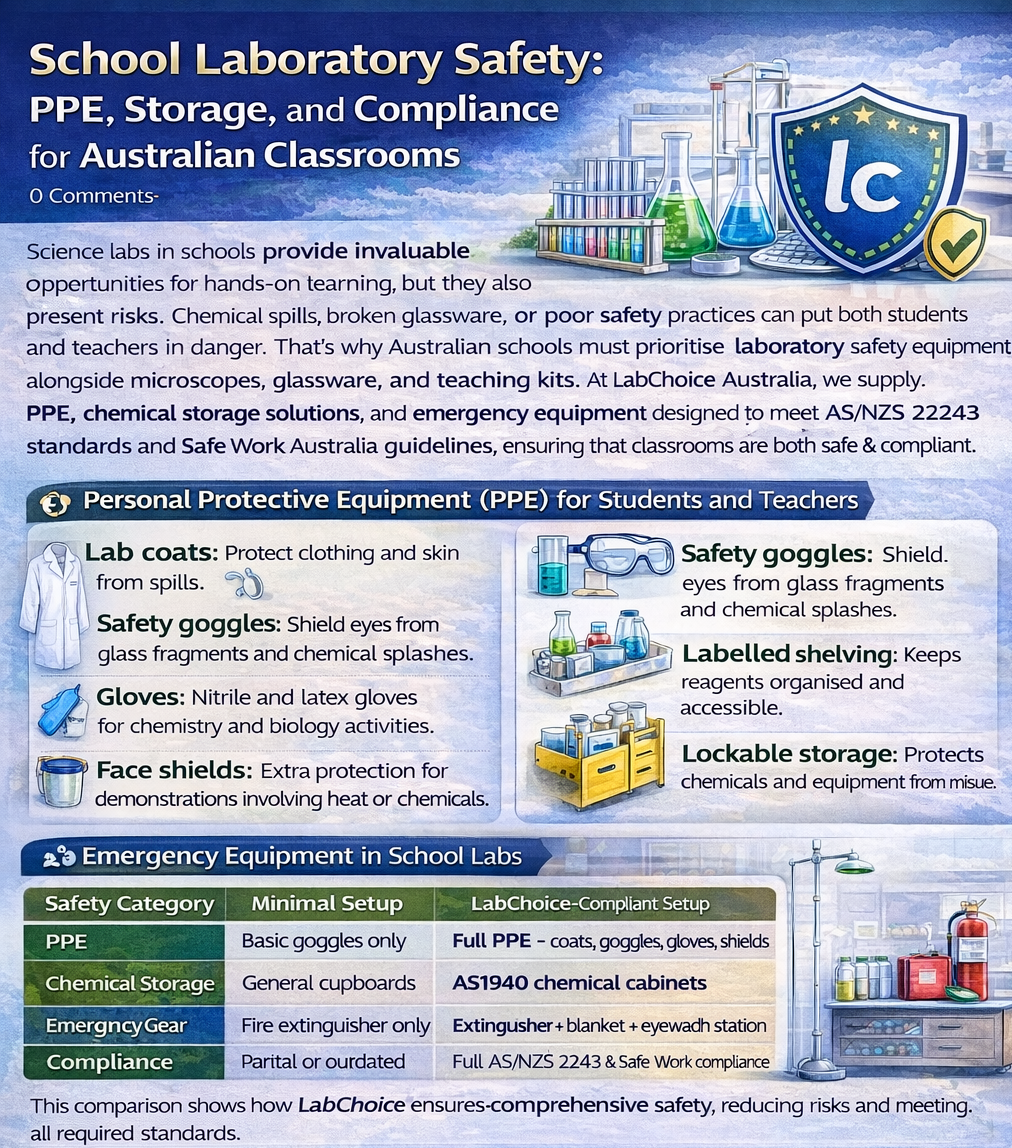
School Laboratory Safety: PPE, Storage, and Compliance for Australian Classrooms
Science labs in schools provide invaluable opportunities for hands-on learning, but they also present risks. Chemical spills, broken...
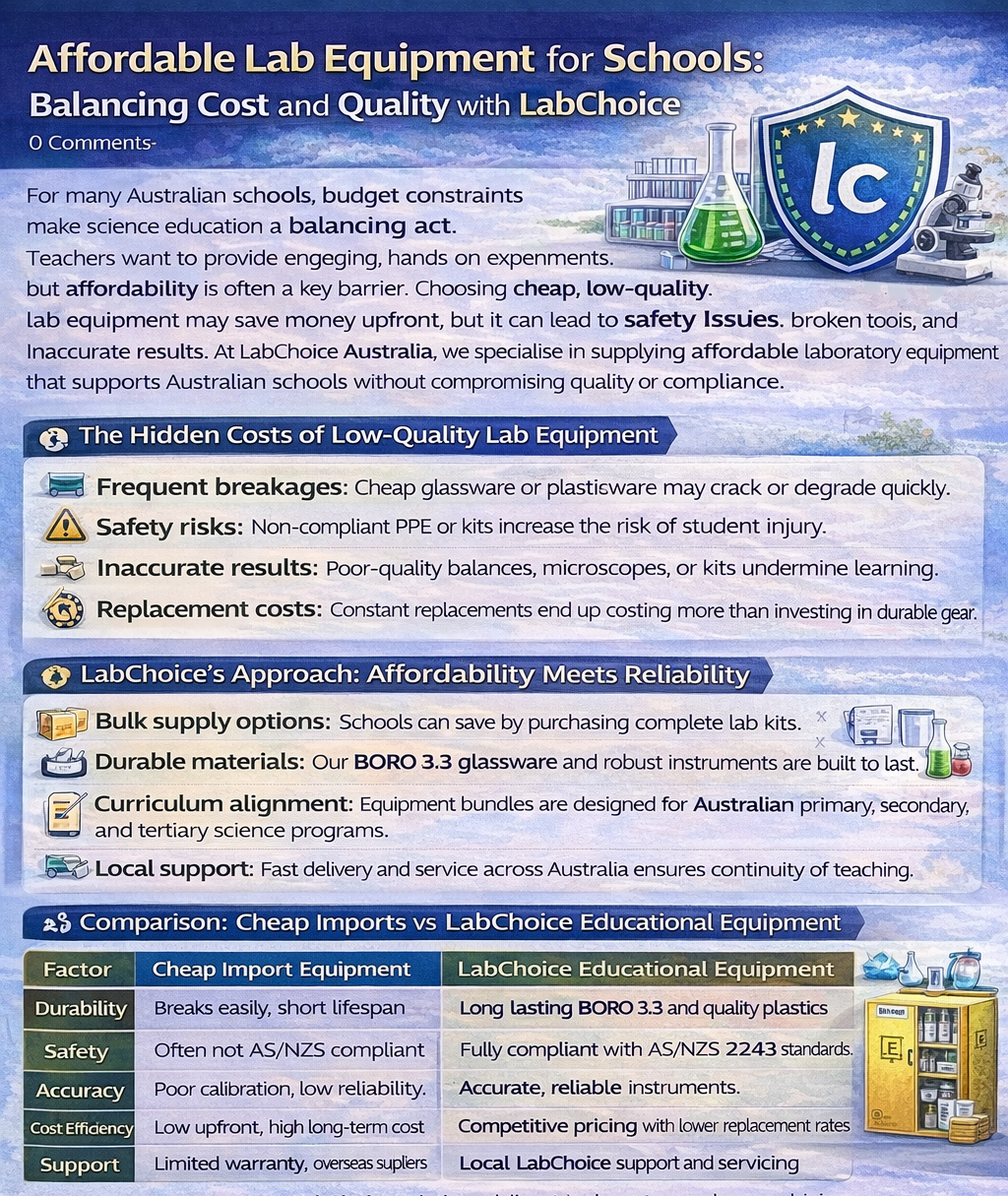
Affordable Lab Equipment for Schools: Balancing Cost and Quality with LabChoice
For many Australian schools, budget constraints make science education a balancing act. Teachers want to provide engaging, hands-on...
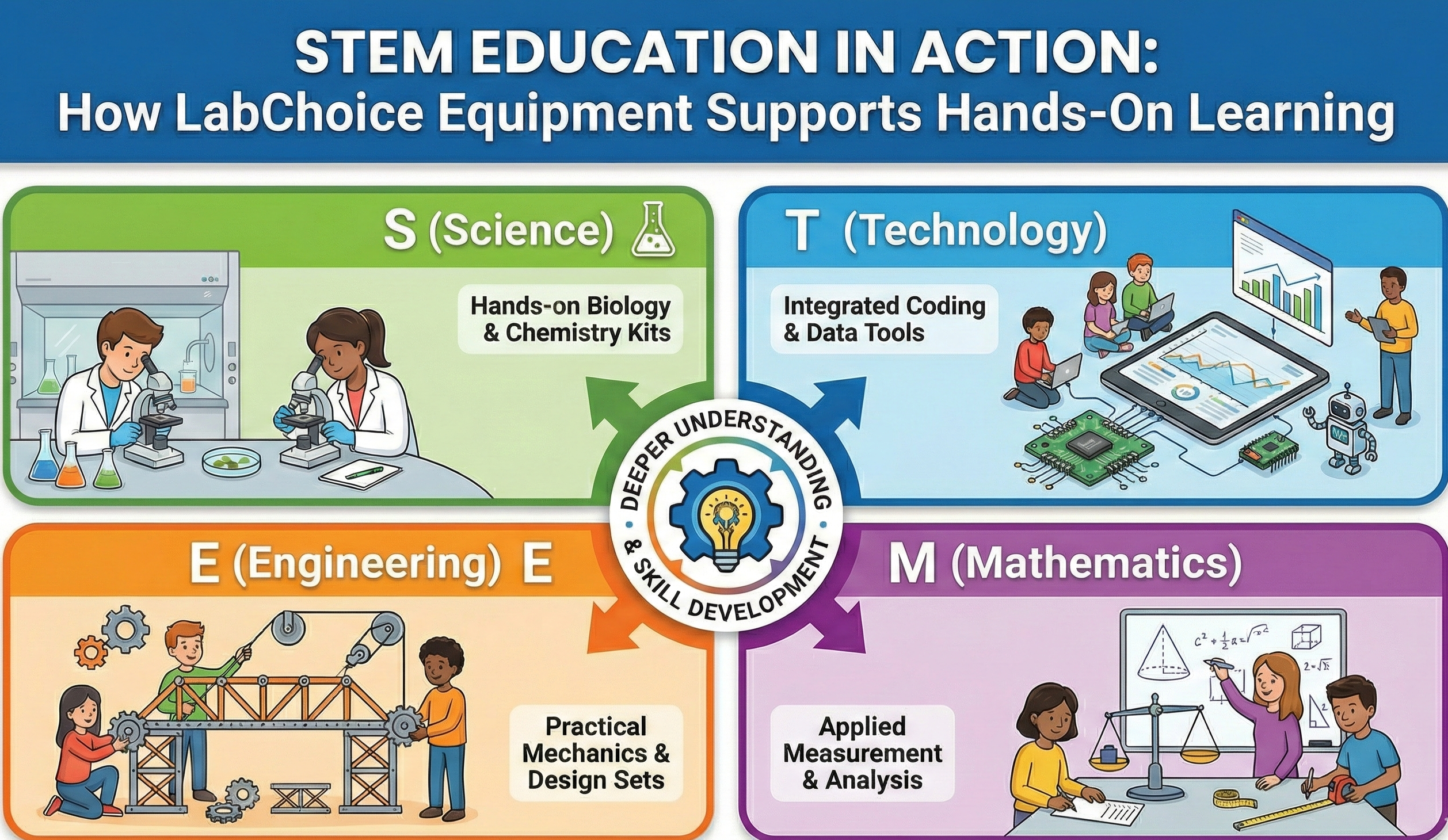
STEM Education in Action: How LabChoice Equipment Supports Hands-On Learning
STEM education is at the heart of Australia’s future workforce, combining science, technology, engineering, and mathematics to equip...
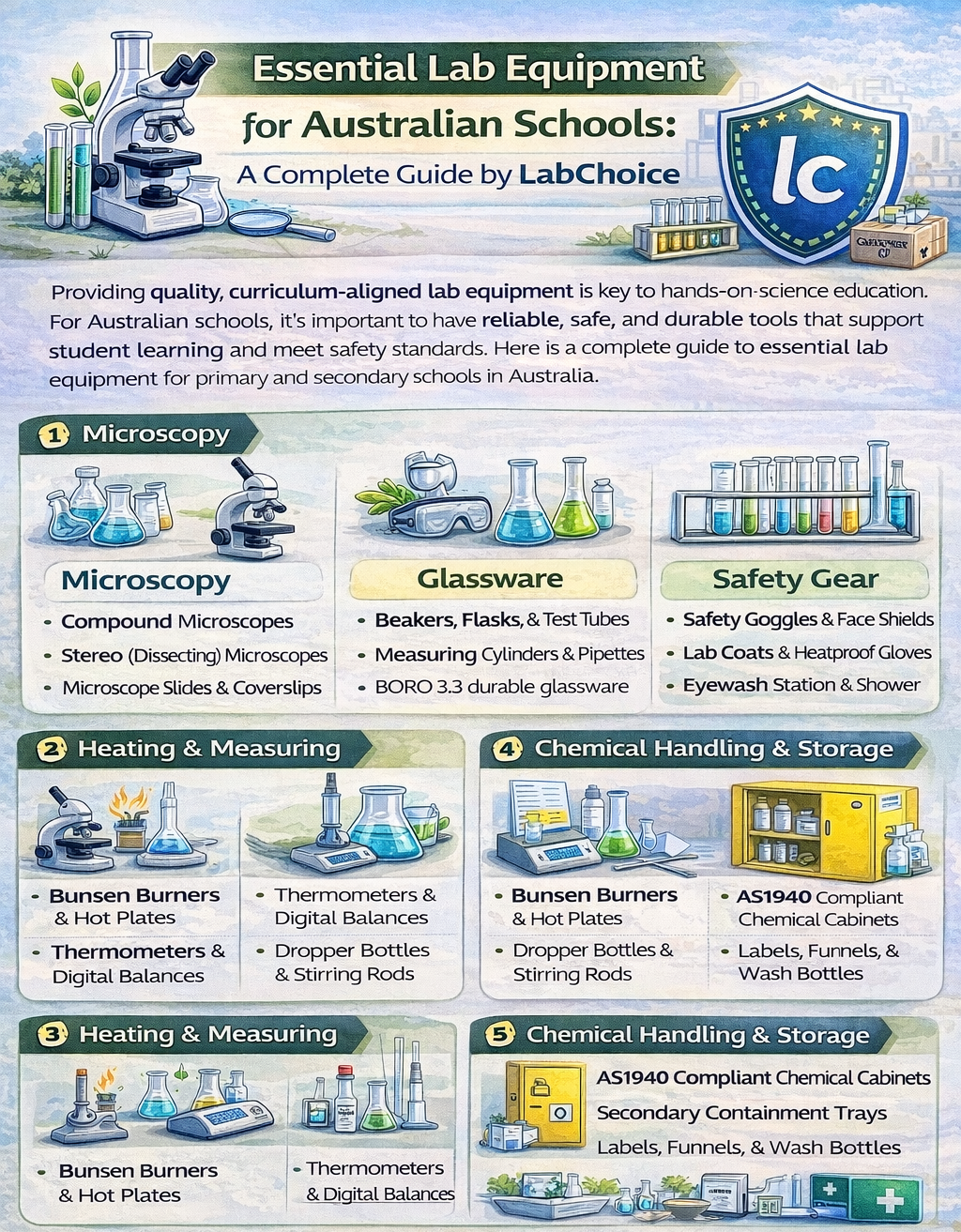
Essential Lab Equipment for Australian Schools: A Complete Guide by LabChoice
Hands-on science education requires more than theory — it depends on the availability of safe, reliable, and curriculum-aligned...
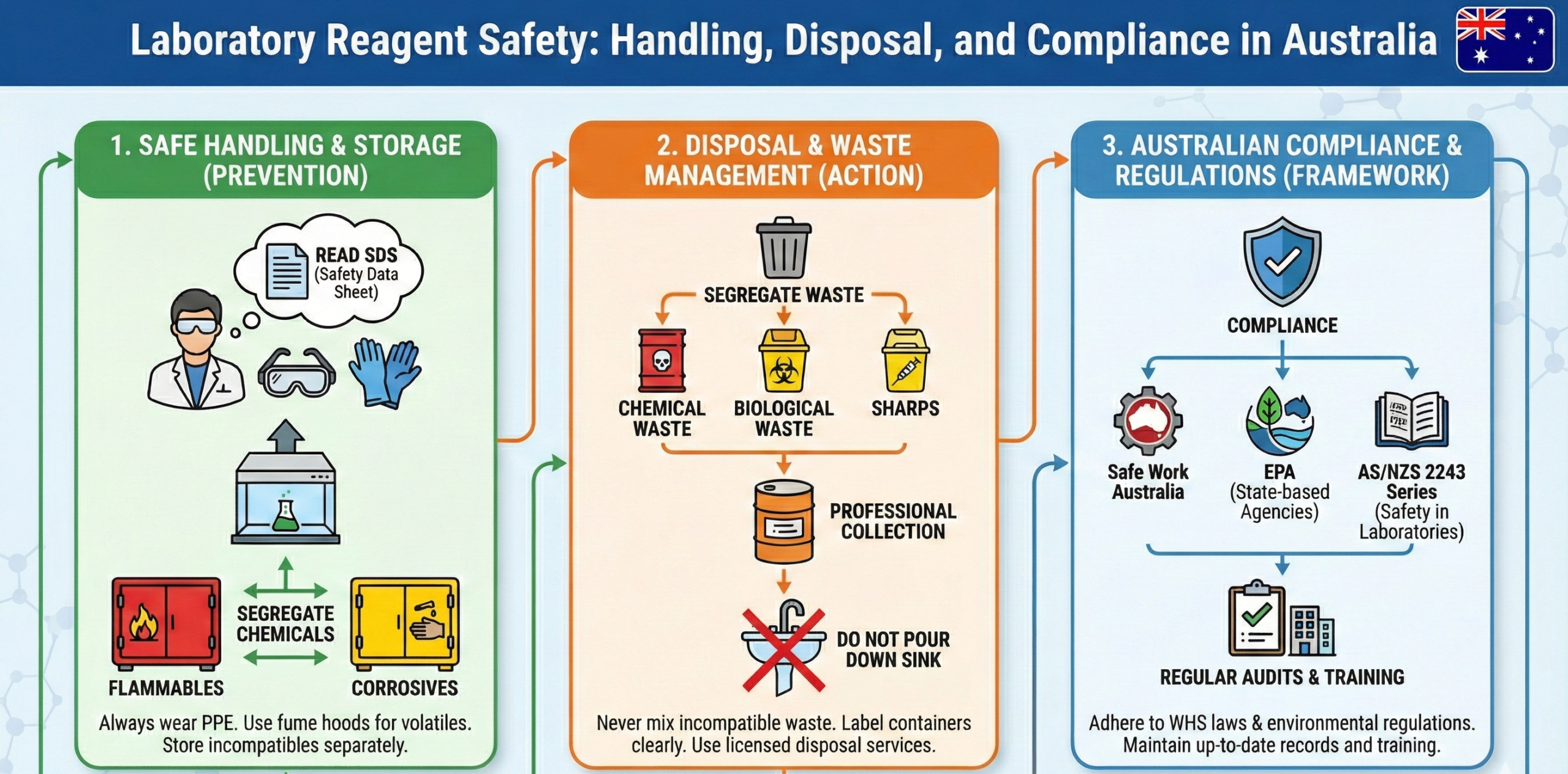
Laboratory Reagent Safety: Handling, Disposal, and Compliance in Australia
Laboratory reagents are essential for education, research, and diagnostics — but they can also present serious safety risks...
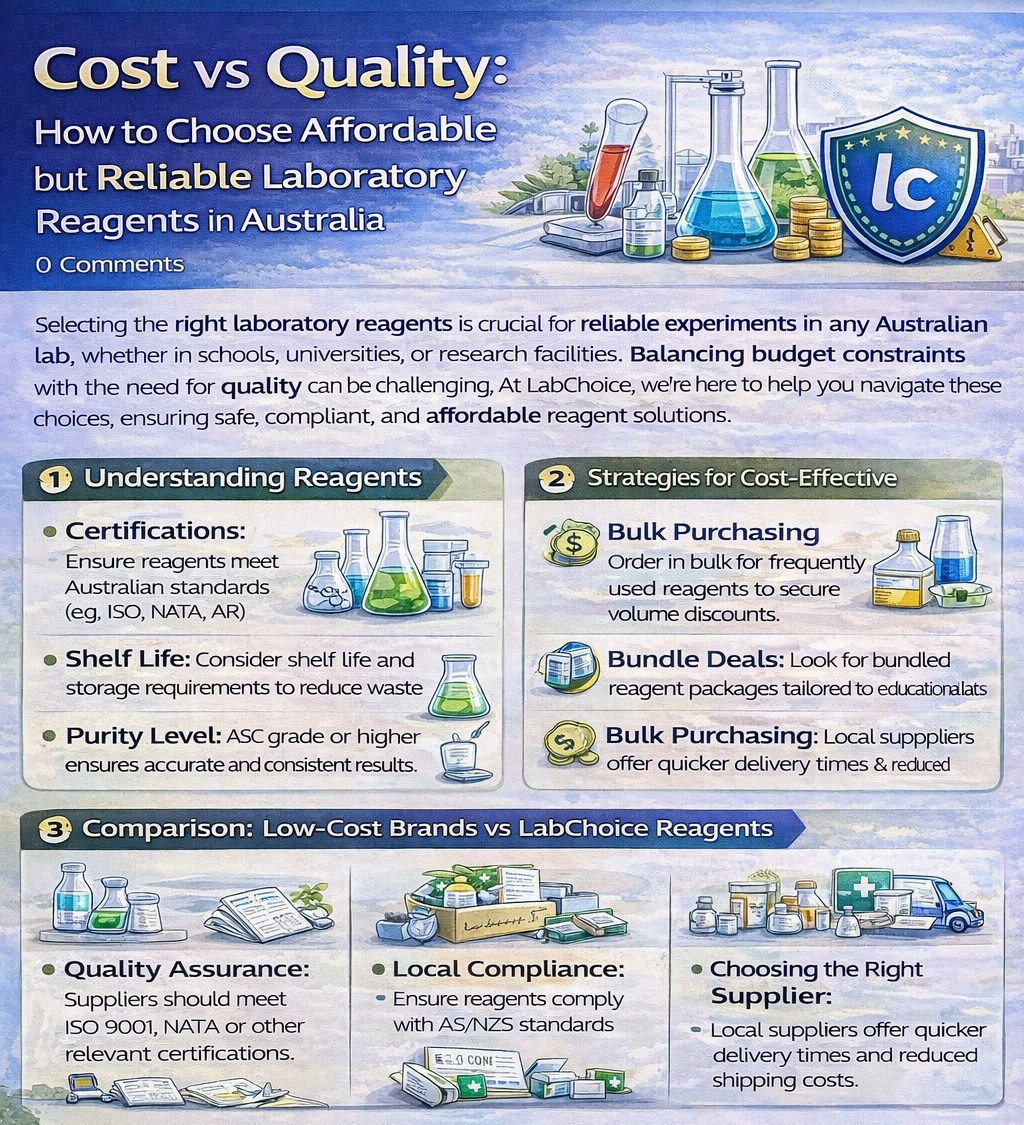
Cost vs Quality: How to Choose Affordable but Reliable Laboratory Reagents in Australia
Laboratory budgets are often stretched between equipment, consumables, and staff training. Reagents make up a significant portion of...
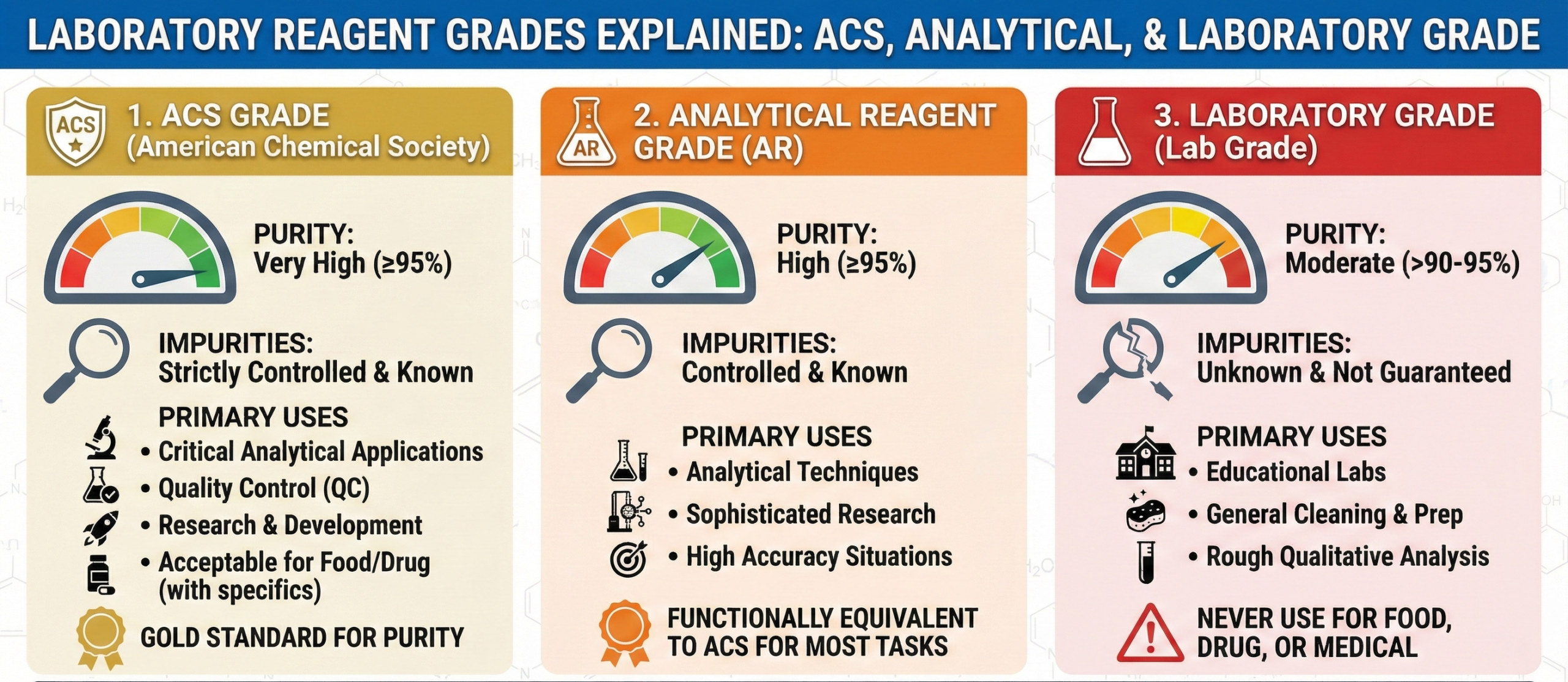
Laboratory Reagent Grades Explained: Analytical, ACS, and Laboratory Grade
The quality of laboratory reagents directly impacts the accuracy, reproducibility, and safety of scientific work. From high school...
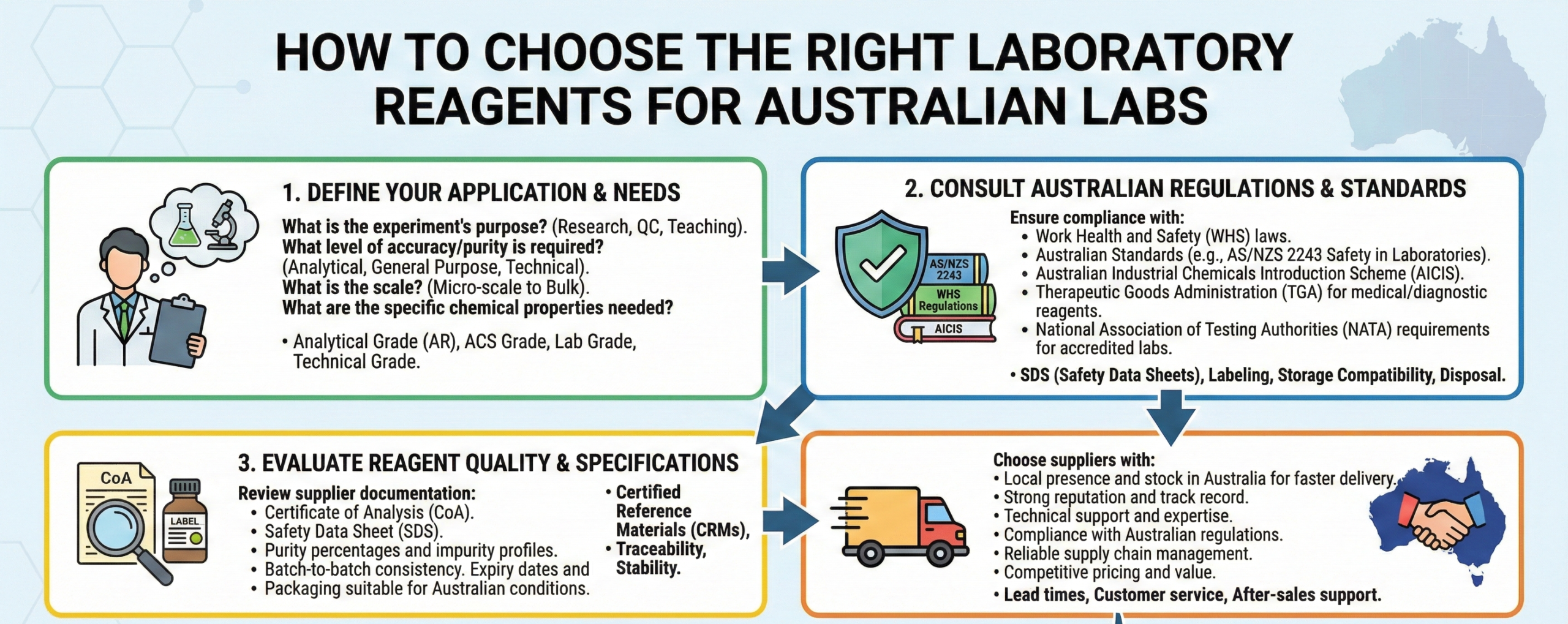
How to Choose the Right Laboratory Reagents for Australian Labs
Laboratory reagents are the foundation of every experiment. From simple teaching demonstrations to complex molecular diagnostics, the reliability...
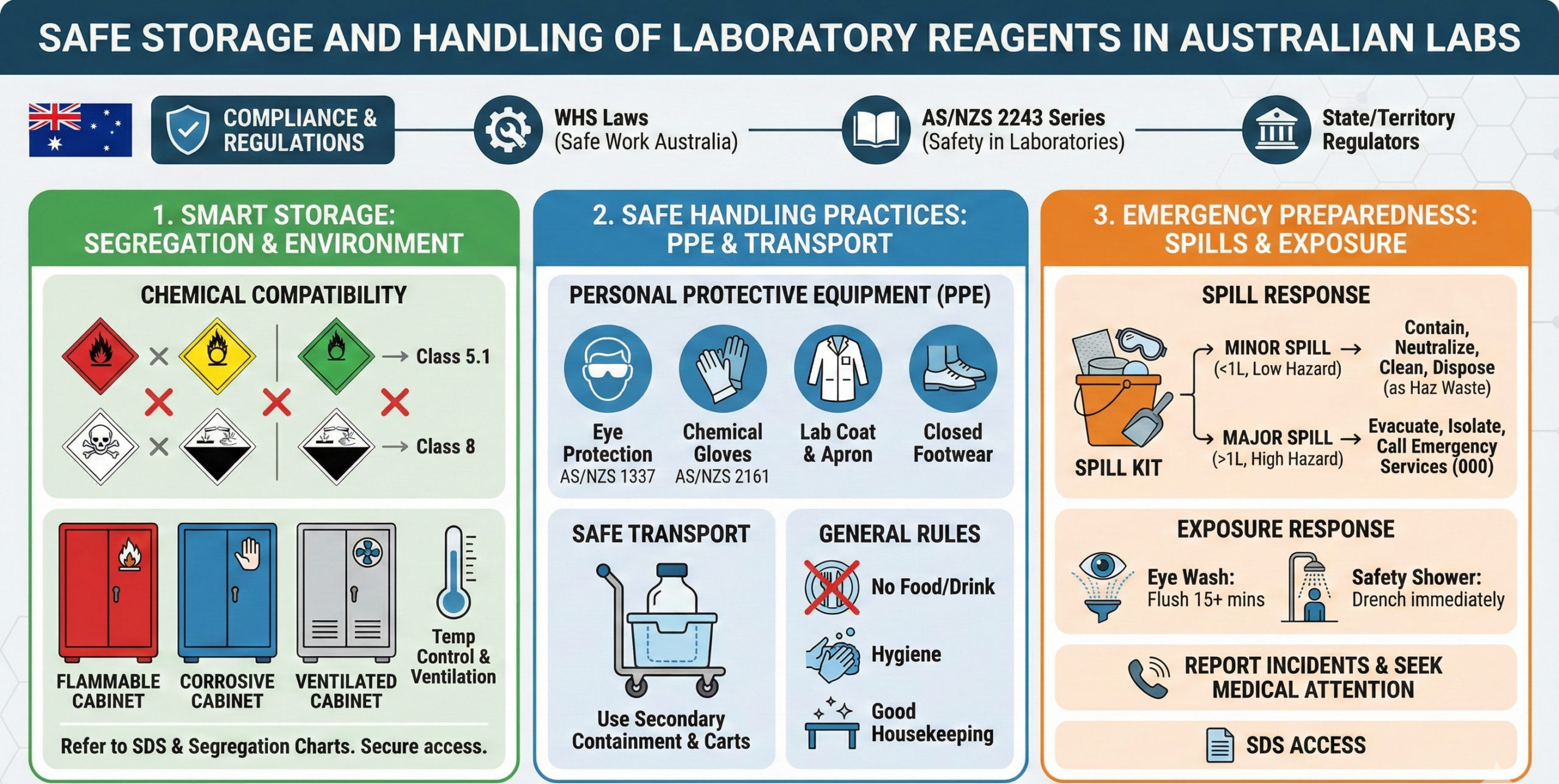
Safe Storage and Handling of Laboratory Reagents in Australian Labs
Laboratory reagents are essential for education, research, and diagnostics — but they also present significant safety risks if...
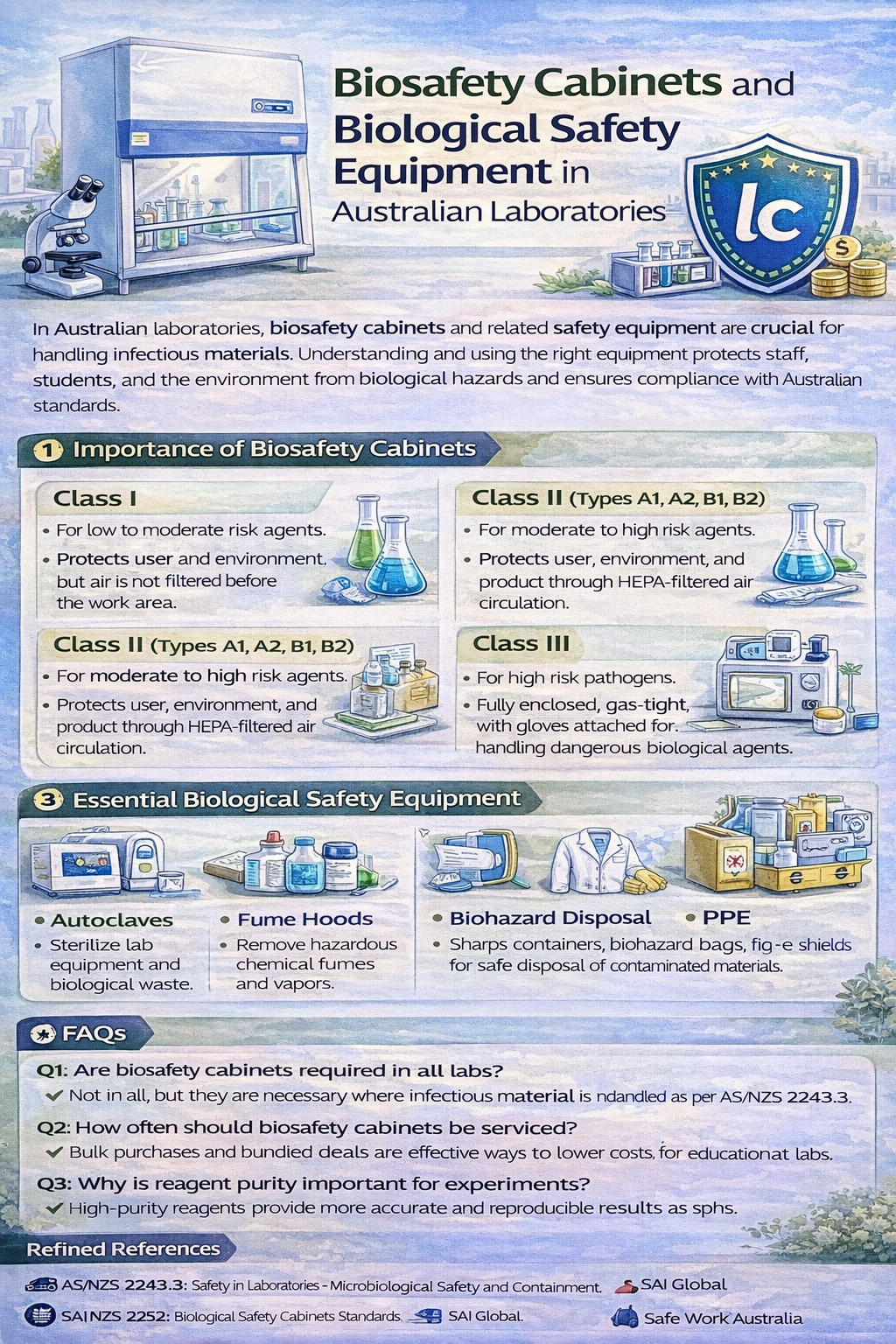
Biosafety Cabinets and Biological Safety Equipment in Australian Laboratories
Biological hazards are a serious concern in laboratories working with microorganisms, cell cultures, and clinical samples. Protecting staff,...