8 Sep

The Ultimate Guide to PCR Machines for Australian Laboratories: Expertise from LabChoice Australia

Polymerase Chain Reaction (PCR) machines have revolutionized molecular biology, diagnostics, and research by enabling rapid amplification of DNA...
No Comments
8 Sep

Comparing Refrigerated vs. Non-Refrigerated Centrifuges: What Australian Laboratories Need to Know

Selecting between refrigerated and non-refrigerated centrifuges is a key decision that impacts sample integrity, operational efficiency, and budget...
No Comments
8 Sep

Choosing the Right Centrifuge Rotor: A Comprehensive Comparison for Australian Laboratories

Choosing the correct rotor is criticalย for centrifuge efficiency, safety, andย the quality ofย sample separation. With variousย rotor types available, understandingย their...
No Comments
8 Sep

Troubleshooting Common Centrifuge Problems: Solutions for Australian Laboratories

Centrifuges are critical in laboratories, but like all complex equipment, they can experience operational issues that affect performance...
No Comments
8 Sep

Comparing Benchtop vs. Floor-Standing Centrifuges: Which Is Right for Your Australian Laboratory?

Choosing between a benchtop and a floor-standing centrifuge is a common decision faced by Australian laboratories aiming to...
No Comments
8 Sep

Centrifuge Types and Their Uses in Australian Laboratories: A Comprehensive Guide by LabChoice Australia

Centrifuges are indispensable in modern Australian laboratories, enabling efficient separation of biological samples, chemical mixtures, and industrial materials....
No Comments
8 Sep

A Complete Guide to Microscope Illumination: Brightening the Path for Australian Laboratories

Proper illumination is fundamental to obtaining crisp, high-contrast images in microscopy. In Australian laboratories, selecting and adjusting the...
No Comments
8 Sep

Understanding the Role of Numerical Aperture in Microscope Performance: A Guide for Australian Laboratories

Numerical Aperture (NA) is a vital optical specification that significantly impacts the resolution, brightness, and quality of images...
No Comments
8 Sep

Latest Trends in Microscopy Technology: What Australian Laboratories Need to Know in 2025

Microscopy technology is evolving rapidly, reshaping how Australian laboratories conduct research, teaching, and quality control. Staying abreast of...
No Comments
8 Sep

How to Choose the Right Microscope for Your Lab: The Definitive Guide by LabChoice Australia

Choosing the right microscope is one of the most important decisions for any Australian laboratory, whether for education,...
No Comments

Class A vs Class B Measuring Cylinders: Which is Right for Your Lab?

Measuring cylinders are essential tools for laboratories, providing a simple and reliable way to measure liquid volumes. But not all...

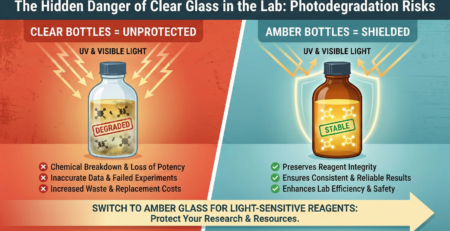
Amber Glassware in the Lab: UV Protection and Chemical Stability Explained

Certain chemicals are highly sensitive to light and degrade rapidly when exposed. For laboratories in Australia, amber borosilicate glassware (BORO...

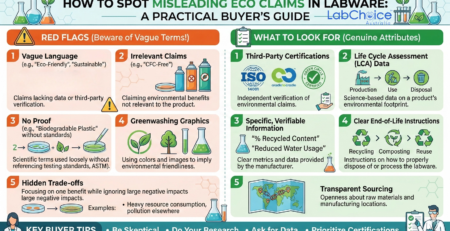
Sustainable Lab Practices with Glassware: Reducing Plastic Waste in Science

Sustainability is becoming a priority in laboratories across Australia. From universities to industry research facilities, reducing plastic waste is now...

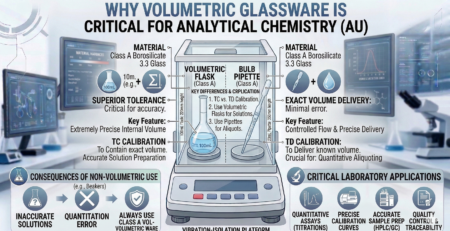
Graduated vs Volumetric Glassware: Choosing the Right Tool for Precision

In every laboratory, accuracy in liquid measurement determines the reliability of results. Two key categories of glassware โ€” graduated and...

Autoclaving Borosilicate Glassware: Safety, Standards, and Best Practices

Sterilisation is critical for laboratories across Australia, ensuring glassware and equipment are free from microorganisms. Borosilicate glassware (BORO 3.3) is...

Pycnometers: Measuring Liquid Density with Laboratory Accuracy

Pycnometers are precision instruments designed to measure the density of liquids with exceptional accuracy. Made from borosilicate glass (BORO 3.3),...

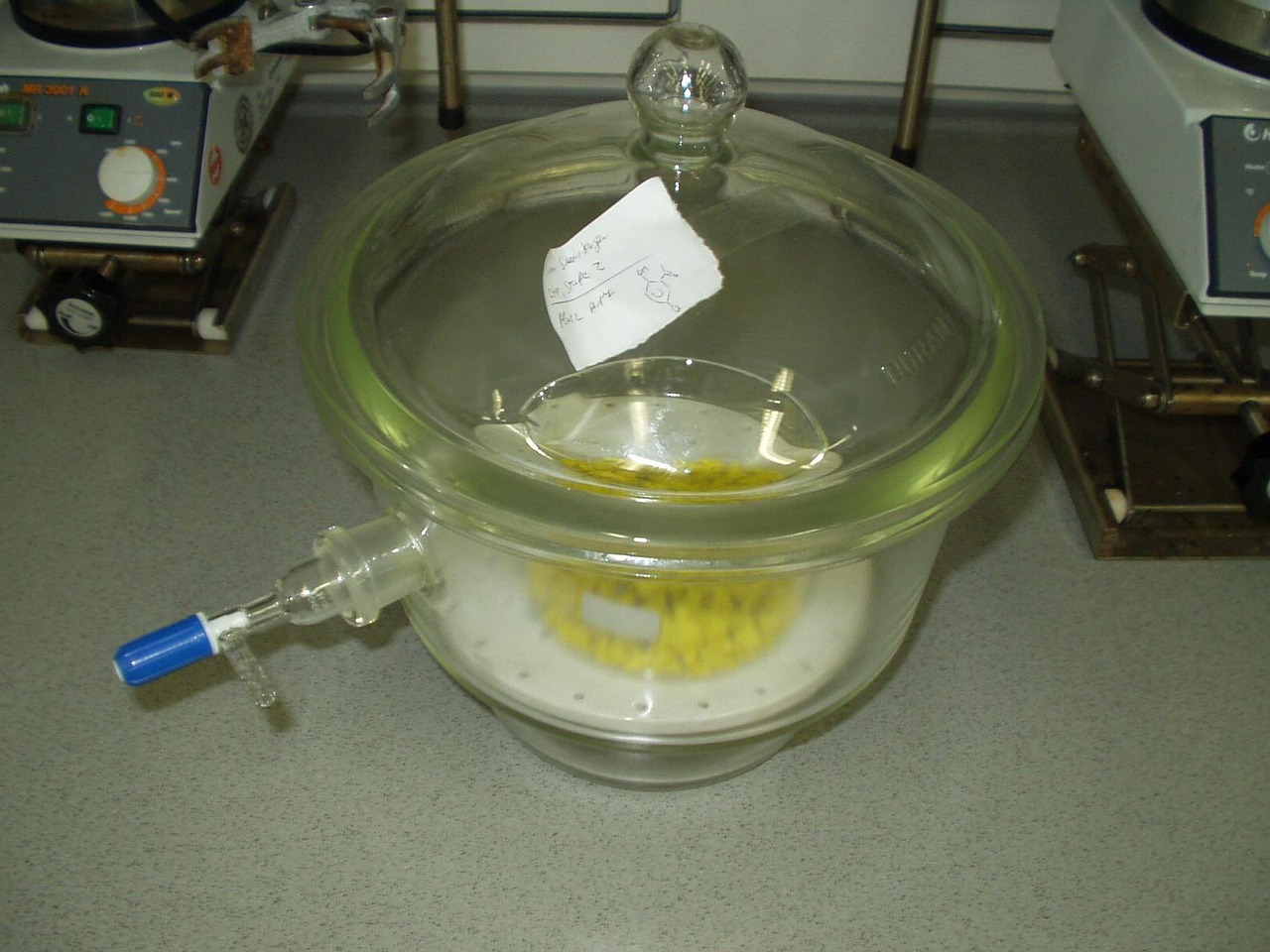
Desiccators in Research Labs: Vacuum vs Standard Models Explained

Desiccators are indispensable tools for protecting moisture-sensitive samples and reagents. By maintaining a controlled low-humidity environment, they preserve the stability,...

Dropping Funnels in Titrations: Accuracy and Safety Considerations

Dropping funnels are essential glassware in chemical laboratories, enabling controlled addition of liquids during titrations, extractions, and reactions. Constructed from...

Buchner Flasks and Filtration: Essential Guide for Australian Laboratories

Buchner flasks, also known as vacuum flasks or filter flasks, are core glassware in laboratory filtration systems. Constructed from thick-walled...

Reagent Bottles: Amber vs Clear Glass and When to Use Each

Reagent bottles are essential for safe storage and handling of chemicals in laboratories. Made from borosilicate glass (BORO 3.3), they...

Volumetric Flasks vs Measuring Cylinders: When Precision Matters Most

In every laboratory, accurate measurement of liquids is fundamental. While both volumetric flasks and measuring cylinders are made from borosilicate...

Separatory Funnels in Organic Chemistry: Choosing PTFE vs Glass Stopcocks

Separatory funnels are indispensable in organic chemistry, enabling liquidโ€“liquid extractions with accuracy and safety. They are commonly made from borosilicate...