When Plasticware Becomes the Smarter Lab Choice
Choosing between glassware and laboratory plasticware is not about picking a winner. Both have a clear place on the bench. The real skill is knowing when plastic will simply do the job better, faster, or safer for your team and your samples.
In many Australian labs, spring is when things start to ramp up. Fieldwork picks up, schools and unis hit exam blocks, and research and industry teams work hard to finish projects before the end of the year. In that rush, the right mix of glass and plastic is what keeps work running smoothly. Here are the key situations where plasticware quietly pulls ahead.
Reducing Breakages and Improving Lab Safety
Glass breakage is not just annoying; it can slow a whole session or shift. In a busy teaching lab or shared research space, one dropped flask can mean:
- Risk of cuts to staff and students
- Risk of contamination to nearby work
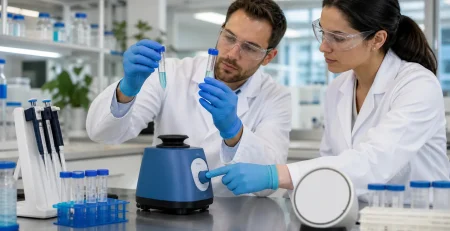
Laboratory plasticware removes most of that worry. Plastic beakers, tubes, and bottles are far less likely to shatter when they are knocked, stacked quickly, or carried across a crowded room. That makes a big difference when benches are full, everyone is in a hurry, and people are sharing equipment.
Plasticware is especially helpful when:
- You have new students learning basic techniques
- You are training seasonal staff or interns
- You are running back-to-back classes or QC runs
- You need staff moving between benches and instruments all day
In safety-focused environments like pathology, food and beverage production, or mining labs, one broken glass item can stop a line or force a formal clean-up. Swapping certain high-traffic items to plastic helps avoid that risk and keeps work flowing without constant worry about shards.
Fieldwork, Transport, and Outdoor Sampling
Once you leave the comfort of the lab, glassware becomes harder to manage. Australian fieldwork often means bumpy tracks, hot utes, windy headlands, or long walks into bush sites. In those conditions, laboratory plasticware is usually the better choice.
Plastic tubes, vials, and bottles are:
- Lighter to carry over long distances
- Less likely to crack in transit or during chilly morning starts
- Safer to use in boats, 4WDs, and mobile field labs
- Easier to pack tightly into coolers and storage boxes
Spring is a common season for environmental monitoring, water quality sampling, and agricultural research. When sample numbers climb, every breakage hurts. Losing one glass bottle might mean losing a hard-to-reach water sample or soil core that took hours to collect.
Using plasticware for:
- Water and wastewater samples
- Soil, plant, and fertiliser samples
- Surface swabs from equipment or processing lines in regional facilities
helps your team focus on good sampling technique, not on trying not to break the glass on rough ground.
Sterility, Contamination Control, and Single-Use Workflows
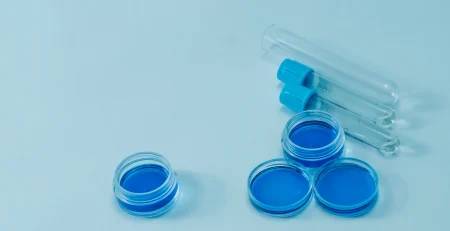
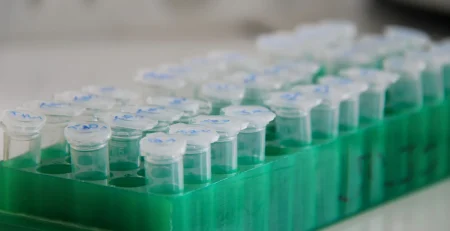
For many sterile tasks, plasticware is simply the more reliable option. Pre-sterilised disposable plastic items, like pipette tips, microtubes, Petri dishes, and culture flasks, arrive ready to use. There is no waiting for washing, drying, or autoclaving.
This is especially handy in:
- Microbiology labs, where stray microbes can ruin plates
- Cell culture work, where any contamination can upset whole experiments
- Molecular biology, where even tiny traces of DNA can affect results
In high-throughput labs, such as diagnostics, food microbiology, or forensic testing, the priority is clean, repeatable workflows. Washing and reusing glass can introduce variation if any step is rushed. Fresh sterile plasticware for each run keeps methods consistent and cuts the chances of cross-contamination.
Seasonal testing peaks are another big reason to choose plastic. During spring allergy research, pathogen checks, or agricultural disease monitoring, workloads jump. Having a stock of ready-to-use plastic consumables means you can handle more samples without waiting on the dishwasher or autoclave to catch up.
Time, Cost, and Workflow Efficiency in Busy Labs
When we think about glass versus plastic, it helps to look at the whole workflow, not just the item itself. Glass needs:
- Careful loading into washers
- Autoclaving or oven drying where needed
- Handling time by trained staff
By shifting certain repeat processes to plasticware, you free those machines and staff hours for work that really needs glass. For example, using plastic sample tubes, vials, and multiwell plates for routine tests can:
- Clear dishwashing backlogs
- Reduce breakage losses during washing and storage
- Open up shelf space, as plastic often stacks more efficiently
Plastic consumables are also easy to standardise. Teaching labs can plan ahead for exam practicals with consistent packs of tubes, tips, and plates for each class. Research and industry labs can line up stock for end-of-project pushes or yearly testing campaigns, with less worry about how many cycles the glass has left in it.
Balancing Sustainability and Smart Purchasing Choices
Concerns about plastic waste are real, and we share them. The goal is not to swap everything to plastic, but to use laboratory plasticware where it clearly helps you waste less overall.
In many cases, high-quality plasticware can actually cut total waste by:
- Preventing broken glass and spilled chemicals
- Reducing the number of failed experiments or contaminated batches
- Limiting the need to repeat field trips to replace broken sample bottles
A practical approach is to:
- Reserve plastic for sterile work, field sampling, and high-throughput testing
- Keep glass for high-temperature work, long-term storage where glass performs better, and tasks where reuse makes sense
- Pair plastic use with any recycling or take-back options that fit your lab’s policies
Choosing reliable plasticware that lasts for its intended use, rather than flimsy items that fail early, also helps reduce unnecessary disposal. As an Australian supplier, we pay close attention to which products hold up well in real education, research, and industry settings across the country.
Planning Your Next Order for a Safer, Faster Lab
Spring is a good time to step back and review how your team actually works. Walk through a typical day and note where glass is most likely to break, where washing creates a bottleneck, and where contamination is a constant worry. Those are strong candidates for a switch to laboratory plasticware.
From there, build a simple shortlist that fits your lab:
- Plastic tubes and vials for routine samples
- Bottles for fieldwork and transport
- Pipette tips, plates, and flasks for sterile workflows
- Storage containers that stack neatly and survive daily use
The aim is not to clear out your cupboards and start again. It is to match glassware and plasticware to the jobs they do best, so your lab stays safer, faster, and more reliable through the busy end-of-year period. As LabChoice Australia, we focus on supporting that balance across education, research, and industry labs right around the country.
Choosing the right consumables is crucial for accurate, repeatable results, and our range of laboratory plasticware is selected to support Australian labs of all sizes. At LabChoice Australia, we work closely with you to match products to your methods, workflows and compliance needs. If you would like tailored recommendations or a quote, simply contact us and our team will help you get what you need, on time and within budget.