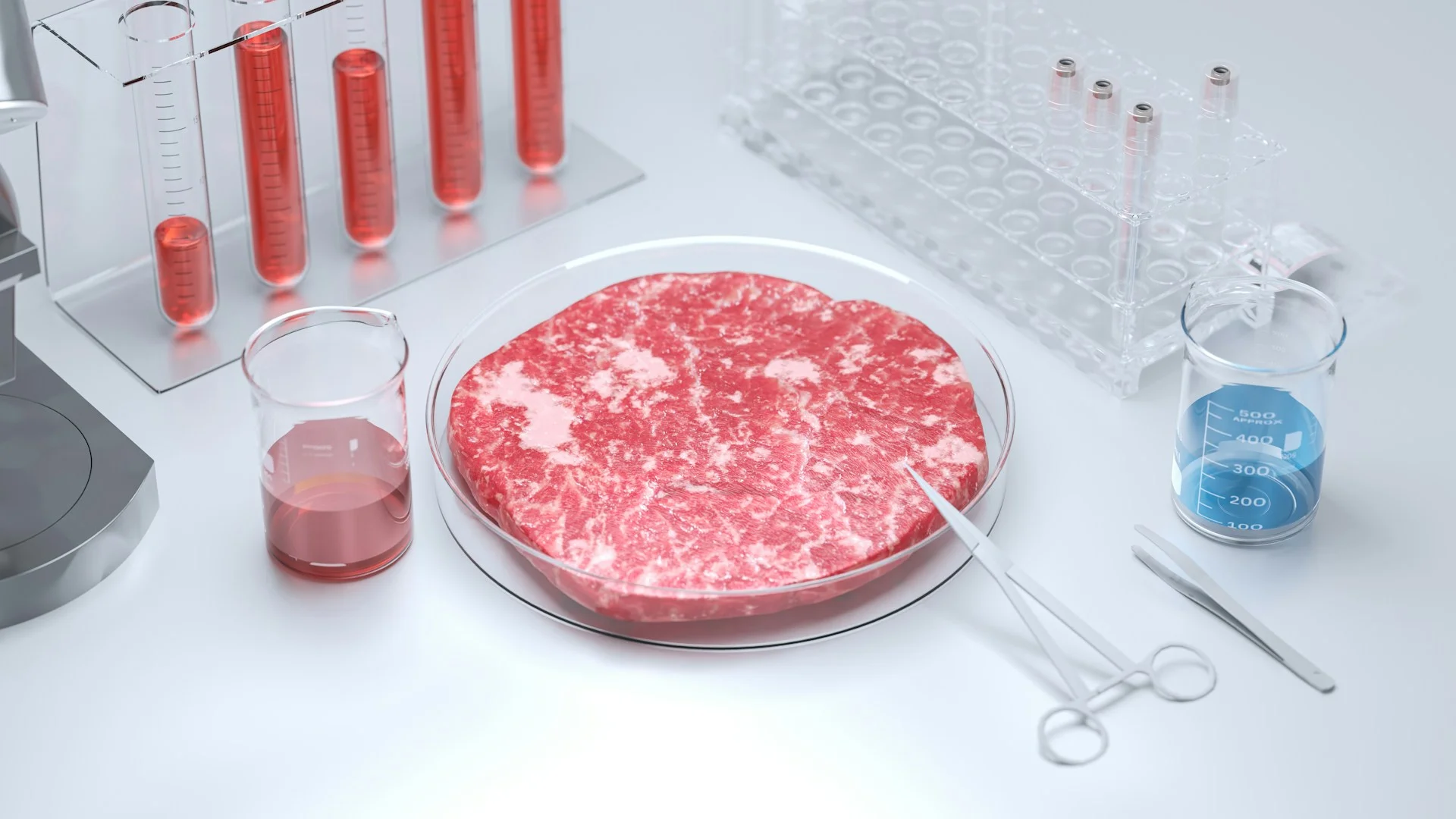
Plasticware That Keeps up with Real Food Labs
Food and beverage labs do not live in a gentle world. You have tighter FSANZ rules, export checks, and customers who want faster answers on every batch. At the same time, you are dealing with messy samples full of fat, sugar, acids, starch, and grit that can really punish your lab gear.
When plasticware is too flimsy, it shows up fast. Tubes crack during centrifugation, bottles warp in the autoclave, and caps leak on the way from the plant to the lab. You can also get leaching during solvent extraction, which ruins recoveries and sends you back to square one. Reruns, dirty instruments and lost samples slow everything down just when workloads spike.
Choosing plasticware that is fit for food testing is one of the simplest ways to keep work flowing. It helps cut down on retests, protects your instruments and keeps staff from fighting with broken lids and bent racks. From smaller QC labs to large export sites gearing up for spring and summer production in Australia, the right plastics can quietly hold everything together in the background.
What Food Testing Labs Need From Plasticware
Food samples are not like clean lab water. Oils smear surfaces and affect recovery. Sugars caramelise on hot plastic. Acids and salt brines can attack weaker materials. Fibres and particulates scratch and stress containers, especially when you are mixing or vortexing hard.
Because of that, food labs need plasticware that can stand up to:
- Chemical exposure from solvents, acids and bases
- Temperature swings from hot blocks, fridges, freezers and autoclaves
- Mechanical force from shaking, vortexing and centrifugation
Chemical compatibility matters for things like pesticide residue testing, where you might use strong solvents, and for protein or mineral tests that need acids. Poorly matched plastics can cloud, crack or leach, which is the last thing you want when you are chasing low-level residues.
Temperature resistance is another big one. Many food labs chill samples in ice baths, freeze them for storage, then heat for digestion or incubation. Plasticware needs to handle this without warping, splitting or losing seal integrity.
On top of this, there are regulatory and audit expectations. Auditors want to see:
- Traceable product codes and suppliers
- Documented material properties and temperature limits
- Information on extractables and leachables
- Suitability for contact with foods or food simulants if relevant
When you match plasticware to your methods, you support method validation, external proficiency tests and everyday repeatability. That becomes especially clear during harvest, pre-slaughter, or holiday export pushes, when your team has less time to troubleshoot gear issues.
Choosing the Right Plastics for Food Workflows
Not all plastics are built for the same job. In many food labs, the main materials you will see are:
- Polypropylene (PP): good general workhorse for tubes and bottles, handles many solvents, acids and centrifugation speeds
- Polyethylene (PE): useful for storage bottles and containers, flexible and tough at low temperatures
- Polystyrene (PS): very clear, often used for cell counts and micro tests where you need optical clarity
- PET: clear and rigid, handy where you need to see the sample or phase separation
- Specialty polymers like PTFE or FEP: for aggressive solvents, sticky samples or where you want ultra-low-binding surfaces
The trick is matching these options to your workflows. For example:
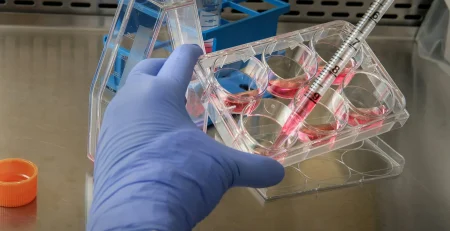
- Microbiological tests: look for sterile, pyrogen-free plastics, tight sealing plates and dishes, and good clarity for colony or turbidity checks
- Allergen screening and ELISAs: low-binding surfaces, reliable sealing films and plates that can handle repeated washing
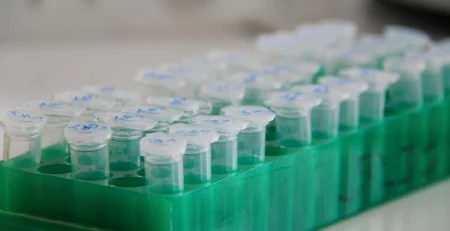
- Pesticide and mycotoxin analysis: solvent-resistant tubes and vials that do not leach or crack in acetonitrile or similar solvents
- Nutritional panels: plasticware that tolerates digestion acids and heating cycles
- Environmental swabs in food plants: sturdy containers and bags that seal well and survive chilled transport
Extra features like certified DNase/RNase-free plasticware, low protein binding, or sterile packaging can cut down on contamination risk and retests. When you look at product data sheets, focus on:
- Chemical resistance charts for your most aggressive reagents
- Temperature ratings for centrifugation, freezing and autoclaving
- Certification statements that match your QA and audit needs
For Australian food labs dealing with warm summers, long transport routes and seasonal peaks, paying attention to these details before peak season saves many headaches later.
Plasticware That Survives Sample Prep to Result
Think through a full food testing run from start to finish. At each step, poor plasticware can get in the way.
Sampling and transport
You need leak-proof bottles and containers that:
- Seal tightly in chilly eskies or transport fridges
- Do not crack when dropped or bumped
- Stay stable if they are frozen or cooled quickly
Homogenisation and dilution
Here, plastics face high shear, vortexing and mixing. Tubes and jars should resist cracking and hold their caps under pressure. Clear markings help with accurate dilutions when staff are moving quickly.
Extraction and clarification
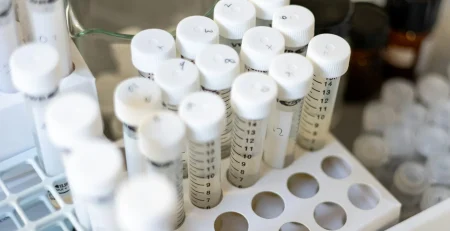
In pesticide, mycotoxin or fat analysis, solvents and high-speed centrifugation push plastics hard. The tubes must:
- Withstand the solvent mix without swelling or leaching
- Handle the rated g-force of your centrifuge
- Sit properly in existing rotors and adapters
Analysis
For LC-MS and GC-MS, vials and inserts must seal well and not add background noise. For plate-based tests, microplates need flat bottoms, reliable well volumes and lids or seals that stop evaporation during incubation.
Storage
After testing, many labs keep extracts or retains. Storage containers have to survive:
- Freezing and thawing cycles
- Stacking and handling in busy freezers
- Long contact times with complex matrices
On top of all this, there is daily lab life. Autoclaves, dishwashers, fast cooling in water baths and heating blocks, and busy benches with rotating seasonal staff all increase the chance of drops, knocks and rough handling. Durable, well-designed plasticware reduces breakage, spills and the quiet time lost to cleaning and re-making standards and samples.
When you standardise on consistent quality plastics for food testing, your workflows stay steadier when sample volumes spike ahead of summer or during export pushes. Staff know how the plastics behave, where everything fits and what they can trust in a rush.
Building a Reliable Plasticware Standard for Your Lab
One practical approach is to create an internal standard set of plasticware items that you trust, instead of buying whatever is cheapest at short notice. These are products you have tested and linked to your key methods such as AOAC, ISO or in-house NATA accredited methods.
To build this set, bring together:
- QA staff, who know audit and documentation needs
- Lab managers and senior analysts, who know method stresses and weak points
- Purchasing teams, who understand supply patterns and packaging needs
Agree on minimum specs like sterility, certifications, material choices, and fit with your instruments and racks. Think about how boxes are stored, how many units per pack suit your bench work, and which sizes cover most tasks without cluttering shelves with dozens of similar SKUs.
When you need to switch brands or consolidate products, do simple validation checks before fully changing over:
- Side-by-side recovery or spike studies
- Blank checks to look for leachables or background noise
- Stress tests using worst-case solvents, temperatures and spin speeds
Working with an Australian supplier that focuses on lab consumables can help you plan ahead for seasonal demand and avoid stockouts. When all your sites or sections use the same agreed plasticware range, staff can move between areas easily and still know exactly how the gear behaves.
Securing Plasticware Before the Busy Season Hits
As the weather warms and fresh produce, drinks and export meat volumes rise, small issues with plasticware quickly turn into daily frustration. Before that rush hits, it helps to step back and review how your plastics performed last season.
A simple checklist looks like this:
- List the main plastic failures you saw, such as leaks, cracks or warping
- Match each test method to suitable materials and certifications
- Cut down overlapping SKUs that do almost the same job
- Forecast demand through peak season and line this up with supplier lead times
By doing this ahead of time, you give your team one less thing to worry about when shifts get longer and trays start stacking up. Reliable, fit-for-purpose laboratory plasticware for food work lets you focus energy where it belongs, on getting clean, defensible results out the door on time.
Choose Reliable Plasticware For Safer Food Testing
When accuracy and compliance matter, choosing the right laboratory plasticware for food is critical to your results. At LabChoice Australia, we help food labs select products that support both precision and regulatory requirements. Talk with our team today via our contact page so we can match you with fit-for-purpose consumables for your workflows.