High-throughput testing only works if the plasticware keeps up. When plates warp, tips leak, or racks do not fit your gear, the whole workflow slows down and staff end up staying late to finish runs. Getting smart about lab plasticware is one of the quickest ways to protect turnaround times, especially as the spring teaching blocks, research projects, and pre-summer workloads build across Australian labs.
In this article we walk through how design, materials, layout, and supply choices all affect throughput, accuracy and safety. The goal is simple: fewer headaches, fewer repeat runs, and smoother days for your team when the bench is stacked with samples.
High-Throughput Testing Needs Smarter Plastic Choices
Across clinical diagnostics, environmental testing, food labs and university research, sample numbers tend to jump as the weather warms up. Extra projects land, students race toward deadlines, and routine testing keeps rolling in. Many labs find that the weak point is not the analyser or the staff, it is the plasticware.
Ad hoc ordering, mixed brands and last minute substitutions can lead to:
- Plate failures like warping or leaky wells
- Pipette tips that do not seal cleanly or slip off mid-run
- Supply delays that stop a workflow for hours or days
When that happens, turnaround times stretch, staff redo work and quality managers worry about consistency. A more strategic approach to lab plasticware, planned ahead of the busy season, can support higher throughput, steadier data, safer handling and better budget control.
How Lab Plasticware Design Impacts Throughput and Accuracy
Plate design is about far more than well count. Small details matter.
Think about:
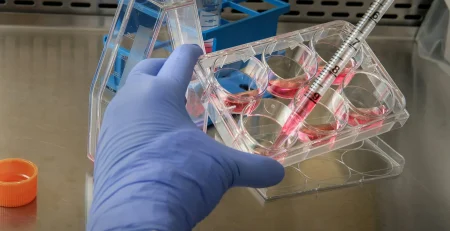
- Well geometry: round or V-bottom for easier aspiration, flat bottom for readers
- Surface treatment: untreated for basic assays, treated options for cell attachment or protein binding
- Plate colour:
– Clear plates for optical clarity in standard assays
– White plates for higher signal in luminescence tests
– Black plates to reduce cross-talk in fluorescence work
A mismatch between plate type and assay can mean longer read times, noisy data or extra repeats.
Pipette tips are another quiet bottleneck. Shape, polymer and fit all change how fast you can move:
- Low retention tips help get full volume out of the tip, handy for sticky reagents
- Filter tips cut down aerosol transfer, important in PCR or when handling risk samples
- Tight but not overly stiff fit saves time, since you are not fighting the pipette or dealing with tips falling off
Then there is overall compatibility. Tubes, caps, strips and racks need to work smoothly with:
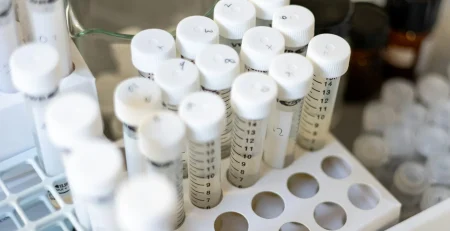
- Centrifuges and rotors
- Thermocyclers and block formats
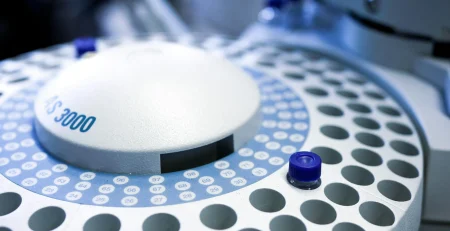
- Automated liquid handlers and robots
When everything lines up, you see fewer jams, lid pop-offs or misreads, and instruments stay running instead of sitting idle while someone reloads.
Choosing Materials That Stand up to Real-World Workloads
Not all plastics handle the same work. Some do better in heat, some in cold, some with solvents.
Common choices include:
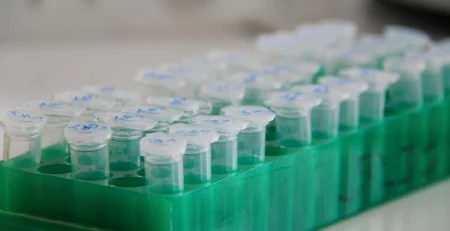
- Polypropylene: good for PCR tubes, microcentrifuge tubes and storage, thanks to temperature tolerance and chemical resistance
- Polystyrene: often used where optical clarity is key, like some plate types and cultureware
- Special copolymers: used where extra clarity, toughness or specific binding features are needed
Think about what the item will face each week. A tube that goes from bench to centrifuge to freezer needs different properties to one that only holds buffer for a short time.
Chemical and temperature resistance are easy to forget until a problem shows up. Repeated exposure to disinfectants, alcohols or harsh reagents can stress plastics. Autoclaving, dry heat or long periods at low temperatures, including very cold storage, can:
- Weaken tube walls
- Loosen seals so caps or films do not sit tight
- Make plastics brittle so cracking on opening becomes more common
Sustainability is on a lot of minds, but it still has to work in the lab. Some options include:
- Selected items with recycled content where performance allows
- Reusable alternatives for certain workflows, like racks that accept refill tip wafers
- Material choices that reduce waste by lowering failure rates and repeat tests
The key is to cut waste without risking QA rules or accreditation needs.
Scaling up Testing Without Sacrificing Quality
When volumes climb, standardisation is your friend. Small layout choices can smooth training and daily work:
- Agree on main plate formats, such as sticking with 96-well or adding 384-well only where needed
- Standard tube sizes for common workflows, so staff do not waste time swapping adaptors
- Consistent rack styles for sample reception, prep and storage
This keeps SOPs simpler and helps new staff or students pick up tasks faster during busy periods.
Contamination control also changes at higher scale. It may be time to:
- Move to filter tips for all nucleic acid work
- Use sterile tips and plates as a default in high-risk areas
- Add colour coding for different work zones or sample types
- Use barcoded tubes or plates so tracking large batches is less error-prone
Quality checks still matter when you are going fast. Some labs add quick steps such as:
- Visual checks for flashing, cracks or irregular wells when unpacking plates
- Small validation runs when switching to a new batch or alternative line
- Periodic comparison of pipette performance with different tip lots
Catching problems at the start is far better than finding them after a full plate fails.
Integrating Lab Plasticware with Automation and Digital Systems
As more labs add automation, plasticware design becomes even more important. Automation-friendly pieces often share traits like:
- Standard SBS footprints for plates and some racks
- Low deformation materials that keep shape under heat or cold so robots grip correctly
- Racks shaped so robotic grippers and sensors can find tubes every time
Manual steps still sit around automated ones, so it helps if items are pleasant to handle. Features that save wrists and time include:
- Stackable plate lids that do not slide everywhere
- Clear, flat areas for labelling that scanners can read
- Caps that are firm but not painful to open hundreds of times a day
Plasticware also links directly to data integrity. Pre-barcoded plates and tubes, consistent lot numbers and smart layouts make it easier to:
- Track samples through a LIMS
- Show clear records during audits
- Support accreditation requirements for traceability and repeatability
Building a Reliable, Flexible Lab Plasticware Supply Strategy
Even the best plasticware design is no help if you cannot get it when you need it. Supply resilience starts with planning. Many labs benefit from:
- A core list of preferred SKUs
- Agreed substitute items that have already been tested
- A mix that allows swapping without rewriting all the SOPs
Working with Australian-based suppliers helps reduce shipping delays, which is especially handy when unexpected surges hit during hot weather or peak testing weeks.
Basic inventory planning also supports steady workflows. Simple steps such as:
- Using past testing patterns to guess busy weeks
- Setting minimum stock and a small buffer for high-risk items like tips and plates
- Storing bulk items in clean, dry spaces that avoid crushing or heat damage
can make a big difference when the phones start ringing.
Local product advice is another useful piece. Teams can get help to:
- Trial new plate formats or tip designs on a small scale
- Find compatible alternatives when a line becomes hard to source
- Plan a smooth shift to better lab plasticware with limited downtime
A short review now can save many small daily frustrations later.
Take Control of Your Lab Plasticware Before the Next Surge
A simple audit is a strong starting point. Look at where delays or errors pop up when workloads climb. Common hot spots are tips for key assays, plates for main readers, storage tubes and items used in student-heavy teaching blocks.
From there, a phased plan works well. Focus first on plasticware that sits on the critical path, pilot one or two higher performance options, and note changes in speed, error rates and staff feedback. Step by step, your lab plasticware stops being a quiet bottleneck and starts acting like a solid base for fast, reliable testing right through the busy spring and summer period.
Equip Your Lab With Reliable Plasticware Solutions Today
Choose LabChoice Australia for consistent quality and hassle-free supply of lab plasticware that supports accurate results and smoother workflows. Whether you are setting up a new lab or upgrading existing equipment, we can help match products to your protocols and budget. If you need tailored advice or a formal quote, simply contact us and we will respond promptly with practical options.