Getting More From Every Well Plate This Spring
High-throughput work gets very real once spring hits in Australia. Teaching labs fill up, product development ramps up, and validation work all seem to land at the same time. That is when every plate, tube, tip, and rack has to pull its weight. If plasticware fails, the whole workflow slows down.
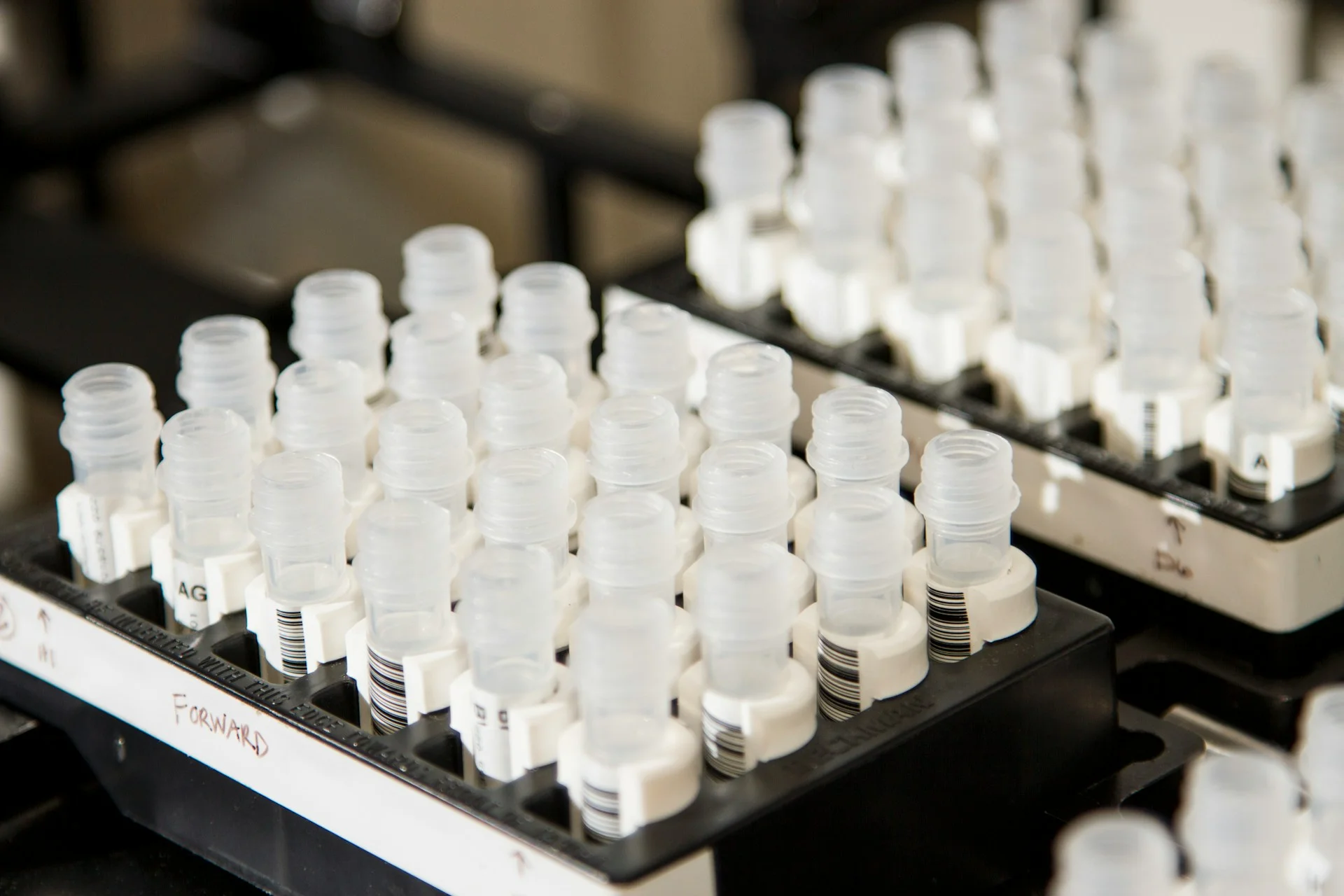
Lab plasticware is not just a line on a consumables order. It shapes data quality, assay speed, user safety, and even staff morale when everyone is under pressure. In busy education, research, food, pharmaceutical, and industrial labs, picking the right plasticware can be the difference between smooth spring throughput and long nights repeating runs. Here we look at material choices, design features, automation fit, sustainability in heavy use, and how to lock in the right standards before end-of-year projects are due.
What High-Throughput Labs Really Need From Plasticware
High-throughput does not always mean giant automation lines. It might mean:
- Dozens of plates per day instead of a few
- Hundreds or thousands of samples in parallel
- Multiple teams sharing the same incubators, readers, and liquid handlers
- Seasonal surges around teaching blocks, audits, or product releases
All of that puts quiet but constant pressure on plasticware. Plates and tubes must have steady dimensional accuracy so robotics and plate readers line up every time. For sensitive assays, low extractables and leachables matter so your signals come from the sample, not the plastic. Chemical and temperature resistance come into play when you are cycling between freezers, incubators, and benchtop work.
Ergonomics count too, especially when staff are working fast. Good plasticware helps with:
- Comfortable pipette access without knocking the rims
- Clear labelling areas that stay legible after handling
- Stackability that does not lead to stuck or warped plates
- Designs that lower splash and cross-contamination risk
Different sectors push on different points. Research labs need reliable microplates, PCR strips, and qPCR plates with tight sealing and clean surfaces. Food and pharma quality labs lean on traceable containers and plates that stay consistent across lots. Teaching labs want durable, forgiving plasticware that can handle new users and frequent cleaning without damage.
Choosing the Right Plastic Materials for Demanding Workflows
Not all plastics behave the same once you throw chemicals, heat, cold, and time at them. Some of the common choices include:
- Polypropylene (PP) for good chemical resistance and wide temperature range
- Polystyrene (PS) for clear, rigid plates that work well with optical reads
- Polyethylene (PE) for simple containers and general-purpose items
- Cyclic olefin materials for very clear, low-binding wells in sensitive assays
- PTFE components where extreme chemical resistance or non-stick surfaces are needed
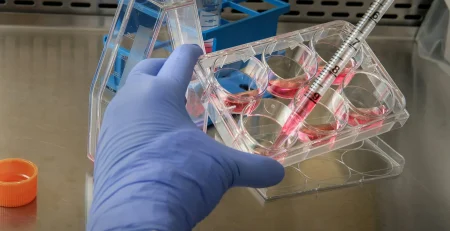
For cell culture, surface quality, gas exchange, and clarity matter most. Many labs prefer treated PS plates for adherent cells, and PP tubes for media and buffers. ELISA and other immunoassays often sit in clear PS or cyclic olefin plates so optical reads stay clean and repeatable.
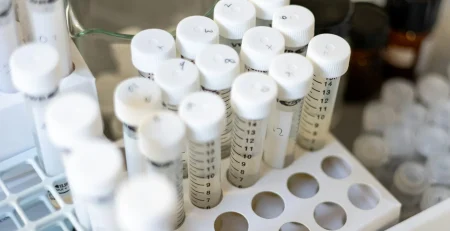
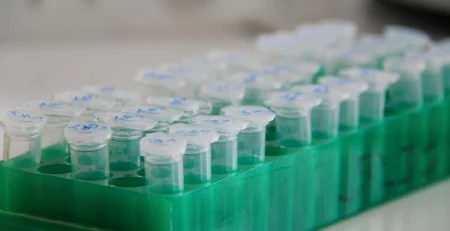
qPCR and PCR work lean on PP because it handles rapid temperature cycling in thermocyclers and still seals well with films or caps. Solvent handling and sample storage might call for PP or PTFE parts where aggressive solvents or long time frames are involved. For microbiological testing across food, pharma, and environmental labs, plasticware must handle incubation without warping and should support easy visual checks.
There is always a balance between cost and performance. Premium plastics and higher-grade finishes make sense for:
- Regulatory or accredited environments
- Assays where repeatability is non-negotiable
- High-value or low-volume samples that you cannot replace
For faster, routine screening work, standard options can be perfectly suitable if they still meet your basic fit, clarity, and cleanliness needs.
Australian conditions add another layer. Stock might sit in storage areas that see warm days, or travel long distances before it reaches the lab. It helps to choose plasticware that stays stable through transport, is packed to avoid warping, and is protected from dust and moisture so it is clean when you break open the carton.
Designing for Automation, Accuracy, and Consistency
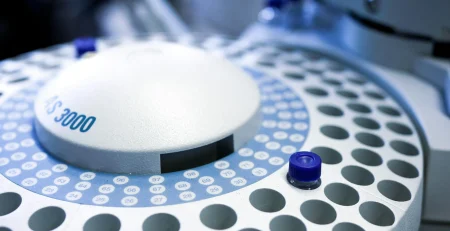
Once plates and tubes meet robots, details that seemed minor suddenly matter. Plate formats, skirt styles, and well shapes can all affect how well your plasticware works with:
- Liquid handlers and pipetting robots
- Plate readers and washers
- Incubators and stackers
- Robotic arms and grippers
Flat, C, or full skirts, along with standard footprints, help keep plates stable during transport and reading. Well geometry affects mixing, dead volume, and how easily a pipette tip finds the bottom each time. Uniform wall thickness helps give even heating and more predictable results in PCR and incubation workflows.
Data quality gets a big lift from features like:
- Low dead volume wells that reduce reagent waste
- Tight well-to-well consistency so edge effects are limited
- Secure sealing options that match your instruments
- Lids that control evaporation in warm, dry incubators
Cleanliness and contamination control are key for genomics, microbiology, and diagnostic work. Labs often mix and match:
- Sterile and non-sterile options depending on the workflow
- DNase/RNase-free items for RNA and DNA handling
- Pyrogen-free products for sensitive biological samples
When you standardise on a set of automation-ready plates, tubes, tips, and seals, training becomes easier. Protocols stay more stable across staff changes, and inventory is simpler to plan during busy spring and summer periods.
Balancing Sustainability and Reliability in Heavy Use
High-throughput labs go through a lot of plasticware, especially when teaching and testing peak together. Waste is hard to ignore when every bin fills quickly.
There are practical ways to lower impact without giving up performance or compliance:
- Plan plate layouts to reduce half-empty runs
- Choose reusable items only where cleaning and validation are realistic
- Pick recyclable materials where waste rules allow
- Use accessories like reservoirs and liners to cut down on single-use items
Waste handling has to stay safe and compliant. That can include clear segregation between:
- Biohazard waste and general plastic
- Chemical-contaminated items and standard plates or tubes
- Sharps and non-sharps
Working with local waste providers helps labs understand what can be treated, what must be incinerated, and where landfill is unavoidable. Sometimes, higher quality plasticware and equipment are actually better for the environment long term. If a plate does not crack, warp, or jam in a reader, you avoid repeat runs, extra reagents, extra energy, and extra staff time.
Turning Plasticware Choices Into a Competitive Advantage
Before end-of-year deadlines rush closer, it is worth pausing to review how plasticware behaves in your lab. Where do plates warp or seal badly? Where do tips not sit right in pipettes? Where does automation stop because a plate is out of spec? These little pain points often add up to lost throughput.
A simple way to tighten things up is to:
- Map your key workflows from sample to result
- Note the specific performance needs at each step
- Group plasticware into a small set of standard, proven options
- Record which products work best with each piece of equipment
When you work this way, plasticware stops being a background annoyance and becomes a quiet strength. At LabChoice Australia, we focus on helping local education, research, food, pharmaceutical, and industrial labs match plasticware performance with workload, budget, and compliance needs. By treating lab plasticware as a strategic choice instead of an afterthought, you set your lab up for faster throughput, steadier data, and a smoother run into the next busy season.
Equip Your Lab With Reliable Essentials Today
Choose LabChoice Australia for quality lab plasticware that supports accurate, consistent results across your workflows. We carefully source products so you can standardise processes and reduce interruptions in busy lab environments. If you have specific applications or need guidance on suitable options, simply contact us and our team will help you find the right fit.