Why Disposable Labware Matters in Pharma QA
Disposable labware for pharmaceuticals is no longer just a backup when the glassware cupboard is empty. For many QA teams, it sits at the center of how work gets done, especially when deadlines are tight and the sample queue keeps growing.
Across Australia, pharmaceutical QA labs feel this most when the weather starts to warm up. Spring allergies kick in, respiratory products ramp up, vaccine lines get busy, and batch release timelines tighten. Traditional reusable glassware struggles to keep up with higher sample numbers, stricter checks and lean staffing. Washing, drying and managing breakages all slow things down.
This is where high-quality disposable labware comes in. When chosen well, single-use pieces help lift consistency, reduce contamination risk and make day-to-day workflows smoother. At LabChoice Australia, we focus on supplying accurate, durable disposables that support reliable results for education, research and industry labs right across the country.
Sterility, Cross-Contamination and Data Integrity
In pharma QA, tiny residues can cause big headaches. A trace of detergent or a film of previous sample left in a flask or tube can throw off sterility tests, microbial limits checks or endotoxin assays. You may not see anything, but the data tells a different story, and then the investigation starts.
Single-use consumables cut that risk because each item starts out clean and consistent. This is especially helpful in high-throughput labs that handle several product lines or strengths in one shift.
Common disposable labware for pharmaceuticals that support sterility and clean handling include:
- Pipette tips with low-retention surfaces
- Sterile sample vials and screw cap tubes
- Culture tubes and plates for microbiology
- Microplates for rapid and automated assays
When every plate, tube or vial is used once, cross-contamination risk drops. You spend less time asking if a result is real or just a wash issue. That flows straight into better data integrity, with:
- Fewer reruns and retests
- Less time spent on unclear out-of-specification results
- Clearer traceability of which lot of labware touched which batch
Seasonal pressure makes this even more important. If a respiratory batch fails close to spring or a key allergy product is held up, knock-on effects can affect production scheduling and supply. Clean, reliable sample handling helps QA teams keep decisions moving without cutting corners.
Speed and Throughput in Batch Release Workflows
Reusable glassware brings its own queues. Someone has to collect it, soak it, wash it, rinse it, often depyrogenate or autoclave it, then store it. Each step takes time, equipment and people. When workloads spike, washers and autoclaves become bottlenecks, and analysts end up waiting.
By swapping targeted parts of the workflow to disposable labware, you can clear some of those choke points. The biggest time wins usually appear in:
- Sampling in production areas, with pre-sterile bottles, bags and tubes
- Environmental monitoring, using plates, swabs and contact dishes
- HPLC and GC sample prep with ready-to-go vials, inserts and caps
- Microbiology plating and sterility testing with pre-poured or ready-to-hydrate media formats
When you remove washing and prep from these steps, QA staff can stay focused on analytical work instead of support tasks. Batch release timelines become more predictable, which matters a lot when production ramps up before summer and overtime budgets are tight.
Disposable formats also help when methods move from R&D to pilot and then full-scale. Using consistent, pre-validated consumables makes it easier for different sites to follow the same steps, reducing small differences that can pop up when each lab manages glassware in its own way.
Balancing Quality, Cost and Sustainability
Many teams worry that disposable always means more expensive, but the picture is more about total cost of ownership. Reusable glassware carries hidden costs such as:
- Labour for washing, autoclaving and handling
- Water, power and detergents
- Washer and autoclave maintenance and downtime
- Breakage and replacement
When you look at the full workflow, high first-time pass rates can offset the unit price of single-use items. Fewer reruns and shorter investigations free staff to focus on core QA work instead of chasing avoidable issues.
Sustainability also sits in the mix. While disposables create waste, there are practical steps labs can take:
- Choose recyclable polymers where local recycling options exist
- Separate clean plastics from contaminated waste to support recycling or energy recovery
- Plan orders around real usage and seasonal demand to avoid rush freight and part loads
Quality matters here too. Durable, accurate disposable labware for pharmaceuticals, such as low-retention pipette tips and plasticware with tight volume accuracy, reduces waste from failed runs or samples that have to be repeated. Better performance per piece means less material used over time.
Choosing the Right Disposable Labware for QA Assays
Not every tube or plate is fit for pharmaceutical use. A structured checklist helps when assessing disposable options for your QA lab. Key points to look at include:
- Chemical compatibility with solvents, buffers and products
- Extractables and leachables profile for sensitive assays
- Sterility assurance level and shelf life
- Endotoxin status for parenteral work
- Certifications such as RNase and DNase free where needed
From there, it helps to group what you need by workflow. Common categories for pharma QA include:
- Sampling bottles, bags and containers for bulk and line samples
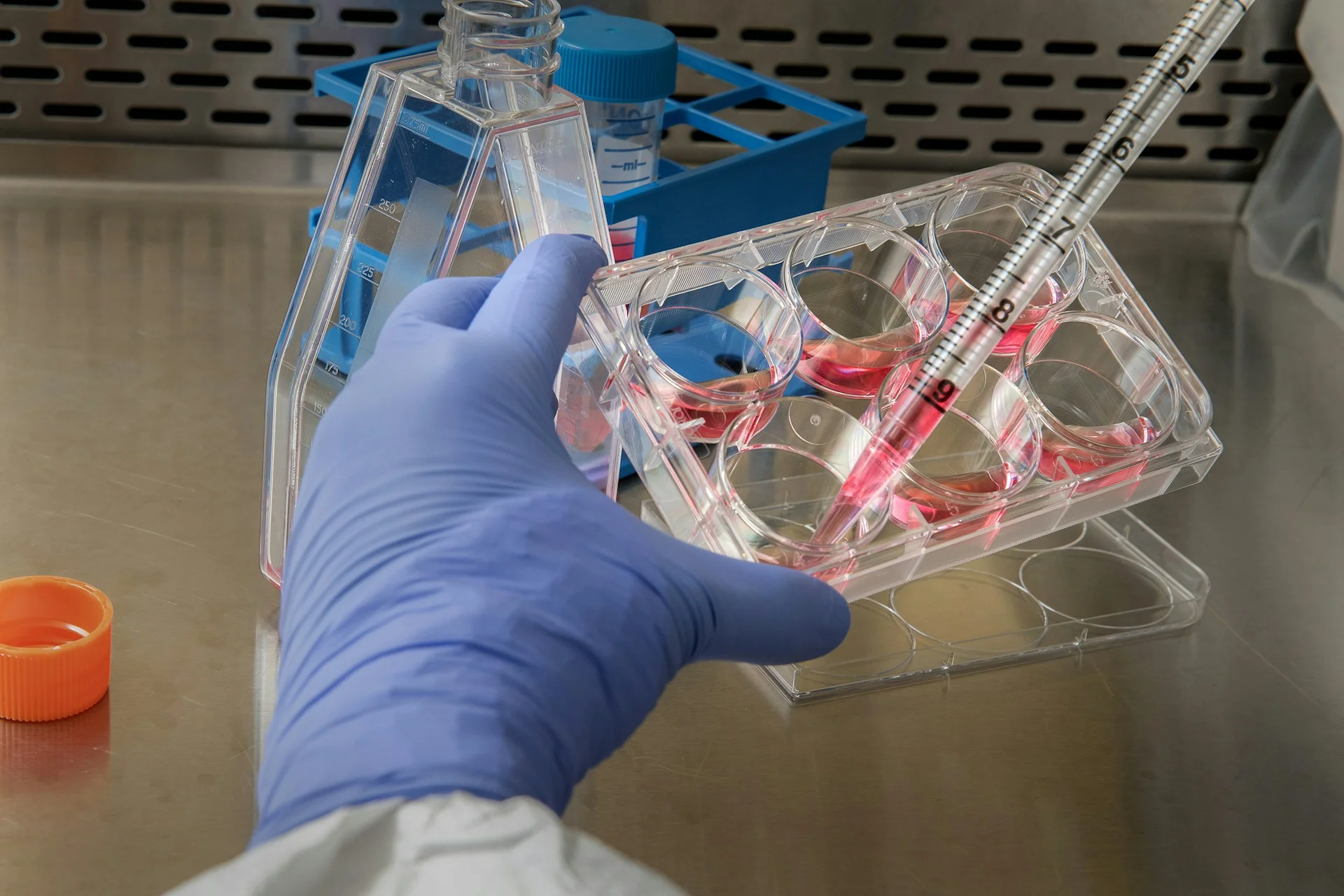
- Volumetric and transfer items like pipette tips, serological pipettes and tubes
- Filtration units for sample clean-up and microbiological checks
- Cell and microbiology consumables such as flasks, plates and culture tubes
- Chromatography vials, inserts and caps for LC and GC systems
Strong lot traceability, clear labelling and solid documentation from your supplier support GMP expectations and audit readiness. When each box comes with the right certificates and batch details, it is easier to link results back to the consumables used.
Given the seasonal nature of many Australian production lines, aligning procurement with expected demand is also smart. Planning stock levels ahead of late winter and spring can help avoid stockouts that leave samples waiting on the bench.
Putting Disposable Labware to Work in Your QA Lab
Switching to more disposable labware does not have to be all or nothing. A phased approach usually works best. Start by mapping current QA workflows, then highlight steps that are high risk for contamination or high volume and time-consuming.
Good places to pilot disposable options often include:
- Microbiology and sterility testing
- Environmental monitoring rounds
- High-volume HPLC or GC routes
- Production sampling where access is tight
Cross-functional input is helpful as well. QA, QC microbiology, production and EHS teams each see different parts of the picture. Together, they can balance workflow efficiency, regulatory needs and waste management practices that make sense for your site and local waste contractors.
At LabChoice Australia, we support labs across the country as they standardise on a core suite of disposable labware for pharmaceuticals ahead of busy spring and summer seasons. By pairing dependable consumables with sound processes, QA teams can protect data integrity, stay audit-ready and keep batch release decisions moving even when the thermometer and the sample list both climb.
Streamline Pharmaceutical Workflows With Reliable Labware Solutions
Choose high quality disposable labware for pharmaceuticals to improve consistency, reduce contamination risk and simplify day to day lab operations. At LabChoice Australia, we work closely with teams across pharma and biotech to match products to your specific protocols and compliance needs. If you would like tailored recommendations or help with bulk orders, simply contact us and we will support you in finding the right fit for your projects.