Setting Students up for Safe, Successful Science
Reliable school experiments are not just about ticking off curriculum points. When a practical works the way it should, students see clear cause and effect, feel proud of their results, and can be marked fairly. When it fails for the wrong reasons, like leaky equipment or hard-to-read markings, it dents confidence instead of building it.
That is where good laboratory plasticware for schools plays a quiet but powerful role. The right beakers, cylinders and tubes help lessons run smoothly, keep everyone safer and make it easier to manage big classes. As term three rolls around in Australia and we head toward exam season, it is a smart time to plan and stock up so practicals are ready before things get busy.
At LabChoice Australia, we see everyday how simple gear choices can change the feel of a class. With some thoughtful planning, plasticware can support clear results, calm classrooms and more curious students.
Why Laboratory Plasticware for Schools Builds Confidence
For younger students, handling lab gear can feel a bit scary. Glass can slip, crack or smash on the floor. Plasticware removes a lot of that fear. It is lighter, it does not shatter like glass, and it is easier to grip with smaller or less confident hands.
Classroom-ready plasticware also helps protect the quality of the experiment itself. When teachers choose good quality pieces, you are more likely to get:
- Clear graduations that are easy for students to read
- Secure lids and stoppers that stay on when they should
- Consistent volumes so each group starts with the same amounts
- Fewer leaks or drips that blur the results
When students can trust their equipment, they are more willing to trust their data. That means they can focus on the science idea, not on wondering whether the cylinder was wrong. Over time, this builds a sense of, “I can do this,” which is so important for students who may not see themselves as “science people” yet.
Plasticware also lowers the worry level for teachers and lab staff. Less breakage means less time cleaning up and less time stopping to deal with little accidents. That calmer, safer feel helps everyone engage with the practical instead of feeling tense.
Choosing the Right Plasticware for Classroom Experiments
Not all plasticware is the same. A few smart choices make a big difference to how well gear holds up in a busy school lab.
Core items most schools need include:
- Beakers and measuring cylinders
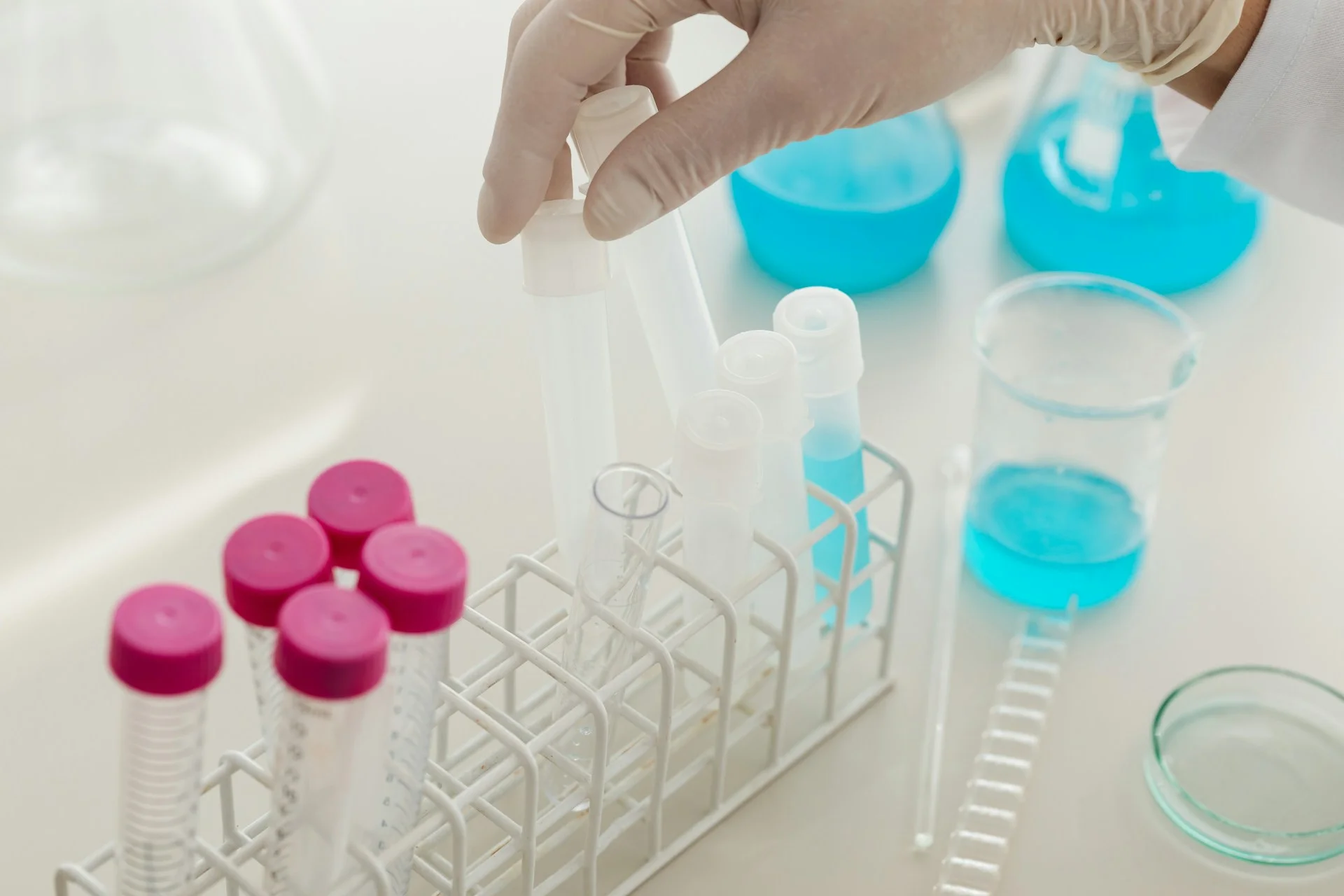
- Test tubes and racks
- Pipettes and transfer droppers
- Sample containers and vials
- Wash bottles and squeeze bottles
- Storage boxes and trays
Different plastics suit different jobs. In simple terms:
- Polypropylene: tough and flexible, handles many chemicals, good for general classroom use and repeated washing
- Polymethylpentene: clear and light, handy when you want students to see levels easily, often has good heat resistance
- Polycarbonate: strong and clear, often used where you want a glass-like look without the risk of breaking
For primary classes, bigger is usually better. Larger beakers, wide test tubes and bold markings help students see what is happening and pour more safely. Soft squeeze bottles and droppers work well for simple solution work and basic reactions.
For junior secondary, you can start to bring in:
- Smaller measuring cylinders for more accurate work on solutions and reaction rates
- More varied tube sizes for biology investigations or simple separation work
- Plastic pipettes for more careful liquid transfer
For senior levels, where experiments may involve finer measurements and hotter liquids, you might choose higher-grade plastics that cope better with heat and repeat use. Clear, stable plastic beakers and cylinders are handy for titrations, solutions and food science work like testing for starch or vitamin C.
Matching plastic type and size to the topics in term three and term four, such as reactions, solutions, biology and food testing, helps keep lessons smooth and predictable.
Safety, Sustainability and Budget in School Labs
Safety always comes first. Plasticware supports this by:
- Reducing sharp edges and shatter risk
- Offering tight fitting caps for samples and reagents
- Allowing safer handling of some chemicals when paired with the right plastic type
- Keeping breakages to simple cracks instead of dangerous shards
On the sustainability side, it helps to be honest. Plastic is a real concern, but so is glass waste when items are broken often. In a school lab, small shifts can make a big difference over time:
- Choose reusable items where cleaning is practical
- Keep a clear system for washing and drying, so gear lasts longer
- Reserve single-use plasticware for cases where hygiene or cross-contamination is a real risk
- Sort waste carefully and recycle where local services allow
For budgeting, a bit of planning goes a long way. Helpful habits include:
- Buying in class sets so each group uses the same style and size
- Standardising brands and sizes to simplify storage and replacement
- Keeping an inventory list of plasticware, with a simple red, amber, green system for stock levels
- Planning regular checks before busy periods so there are no last-minute gaps
This way, you support safety, care for resources and avoid the stress of scrambling for replacements in the middle of assessment time.
Classroom Ready Ideas Using Laboratory Plasticware
Once the right plasticware is on the shelves, it opens up plenty of engaging practicals, especially in cooler Australian months when indoor activities are welcome. Some classic ideas include:
- Reaction rates: use beakers and measuring cylinders for acid and base reactions with temperature or concentration changes
- Density columns: build colourful layered liquids in clear plastic cylinders so students can see floating and sinking layers
- Biology work: prepare slides and simple staining solutions in plastic containers, and use tubes for enzyme or yeast investigations
- Simple titrations: practice careful measuring and colour change work using plastic beakers and wash bottles alongside other gear
To keep lessons running smoothly, many teachers and lab techs like to:
- Colour code plasticware by class or year level
- Label beakers and cylinders with permanent markers or tags
- Use storage trays or bins so each group can grab a complete set
- Keep a pre-lab checklist to confirm that every group has the same items
Plasticware can also support diverse learners. Larger marks on cylinders help students with vision challenges. Wider tubes and sturdier containers suit students who need more room for fine motor control. Clear, simple layouts on trays help students who benefit from strong structure and routine.
Small adjustments like these can turn the lab into a more inclusive space, where every student feels they can take part and succeed.
Partnering with LabChoice Australia for Term-Ready Kits
As term three rolls along and exam talk starts up, it is a good moment for teachers and lab staff to take a quick look through the cupboards. Which beakers are stained or cracked? Are there enough cylinders for full class sets? Are the test tube racks still stable, or wobbling on the bench?
At LabChoice Australia, we focus on laboratory glassware, plasticware, equipment and consumables for education, research, medical, food and industrial labs right across the country. For schools, that means we understand the pressures of busy terms, large classes and the need for reliable, classroom friendly gear.
By planning ahead and building standard experiment kits for each year level, you can save time, cut stress and give students the steady, reliable practical experiences they deserve. With thoughtful choices around laboratory plasticware for schools, every class is one step closer to safe, confident and enjoyable science learning.
Equip Your Classroom With Reliable, Student‑Safe Lab Gear
Explore our range of laboratory plasticware for schools to kit out your science rooms with durable, classroom-ready equipment that supports hands-on learning. At LabChoice Australia, we help you choose practical, cost-effective options that suit your curriculum and budget. If you would like tailored product recommendations or a quote, simply contact us and we will work with you to get everything you need.