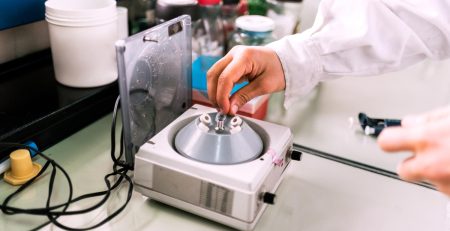
Protecting Your Results with Smarter Tube Management
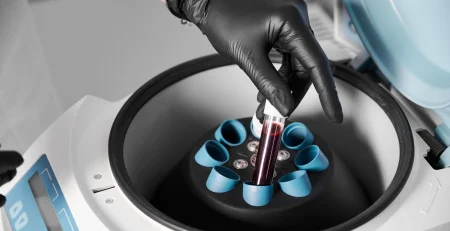
Centrifuge tubes look simple, but they hold the work your lab relies on. In teaching labs, research spaces, food testing rooms and pharmaceutical quality labs across Australia, a bad tube or a dirty rim can mean unclear results and lost time. When you are spinning blood, culture, food slurries or extract samples, you need those tubes clean, strong and clearly labelled.
Once you start working with sterile bulk centrifuge tubes, the risks grow. One split pack or messy drawer can lead to contamination, mislabelling, wasted assays and stressed staff, especially during heavy winter project seasons and end of financial year workloads. In this guide, we walk through practical ways to keep tubes sterile, organised and ready, so your team can move faster without cutting corners.
Choosing Sterile Bulk Centrifuge Tubes That Suit Your Lab
Not every centrifuge tube will suit every job. Before buying bulk, it helps to match tube specs to how your lab actually works.
Key choices include:
- Volume range, like microtubes for small volumes, 15 mL for prep work, or 50 mL for larger pellets
- Bottom style, conical for clean pellets and easy aspiration, round for gentle spins and mixing
- Material, PP (polypropylene) for better temperature and chemical resistance, PS (polystyrene) for clear viewing in less extreme work
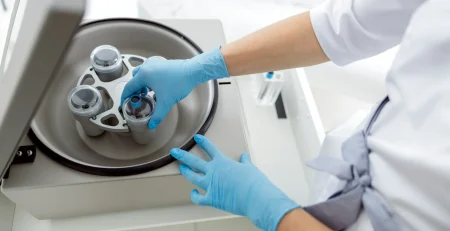
- Rotor compatibility, making sure tube length and shape match your common swing-out or fixed-angle rotors
For sterile bulk centrifuge tubes, packaging makes a big difference to sterility and workflow:
- Individually wrapped, great for low-throughput labs and high-risk samples
- Rack packed, handy when you want quick access and easy bench organisation
- Bulk bagged, efficient for busy labs that move through a lot of tubes in a day
Australian labs also need to think about supplier quality:
- Clear sterility claims, such as free of DNase, RNase and pyrogens when your method needs this
- Batch numbers and traceability, so you can track any quality issues
- Products that align with local expectations for education, industry and more regulated environments
Setting up Storage Systems That Protect Sterility
Once the tubes arrive, storage is where you win or lose sterility. Even the best sterile bulk centrifuge tubes will not stay clean if they sit on dusty, busy benches.
Good storage zones usually:
- Sit in clean, low-traffic areas, not right beside the door or main walkway
- Keep sterile and non-sterile items on separate shelves
- Stay away from windows, heaters or direct winter sun that can create temperature swings
Use containers and labels that make sense at a glance. Sealed secondary containers, such as lidded bins or boxes, protect packs from dust and splashes. Colour-coded racks and stickers make it easy to see which tubes are for which task. Each container should clearly show:
- Tube type and size
- Batch number
- Sterility status
- Expiry date or recommended use-by
Australian labs also deal with dry winter air in some regions and humid conditions in others. Simple habits help:
- Wipe and disinfect shelves on a regular schedule
- Rotate stock so the oldest packs move to the front
- Avoid overpacking shelves, so air can move and packs are not crushed
Aseptic Handling Habits That Scale to Bulk Use
Good storage only works if handling is clean and repeatable. When several people are grabbing tubes all day, small slips add up.
A basic workflow for opening and using sterile bulk centrifuge tubes can look like this:
- Wash or sanitise hands and put on fresh gloves
- Wear lab coats, eye protection and any extra PPE your samples need
- Disinfect the work area where you will open the packs
- Open bags or sleeves away from direct airflow, touching only the outside of the pack
- Handle tubes by the body, not the rim, and keep caps or plugs off the bench
During peak times like winter student intakes or seasonal food testing, a tube preparation station can help. Set up one area with:
- Clearly marked sterile zones
- Racks ready for pre-loading tubes
- Shared lab markers or labels
- A waste container close by, so used packaging does not spread across the room
Training is key. Short SOPs, photos on cupboard doors and quick refreshers in team meetings keep everyone on the same page. Staff should know:
- The standard way to open bulk bags or sleeves
- When to discard a pack if it looks torn, wet or dirty
- Who to tell, and what to record, when sterility is compromised
Organising Tubes for Faster Daily Workflows
Once tubes are clean and ready, the next step is making them easy to grab. Scrambling for the right tube mid-run is stressful and can cause mislabelling.
A few simple habits help:
- Pre-stage tubes in clearly marked racks for common protocols like cell culture, sample prep or QA checks
- Use colour-coded racks or stickers to match tube types to certain centrifuges
- Keep a small, ready-to-go supply on or near each main instrument, topped up at the start or end of each shift
Barcodes or clear lab labels on racks and boxes make tracking easier from storage to centrifuge to archive. Even basic written labels can reduce mix-ups. Align tube management with your lab schedule by:
- Preparing tubes the day before big runs or teaching sessions
- Matching tube size and type to specific instruments on your booking sheet
- Planning stock levels around known seasonal peaks so you are not forced into messy last-minute workarounds
Reducing Waste and Contamination Costs
Poor handling of sterile bulk centrifuge tubes often hides its cost. You see it in half-used bags that get tossed, repeated tests because of doubtful results and higher biohazard bins.
To cut waste without risking samples, focus on:
- First-in-first-out stock rotation so older packs are used first
- Opening only what your team needs for that shift or block of work
- Using smaller pack sizes or splitting boxes between rooms for low-throughput teams
This helps in a few ways:
- Less plastic going into general and biohazard waste
- Fewer repeat spins and reruns due to contamination worries
- Better alignment with sustainability goals while still protecting sample integrity
Putting Better Tube Management Into Practice Today
Improving tube management does not need a big overhaul. Start by checking that your sterile bulk centrifuge tubes match the work you do and the rotors you use. Then tidy storage into clear, clean zones, set simple rules for aseptic handling and shape tube organisation around your real daily workflow instead of fighting it.
As winter testing ramps up or a new teaching term begins, take an hour to walk through your current tube flow from delivery to disposal. Note where sterility might be lost, where people waste time hunting for tubes and where packs are being thrown out half-used. Then update a few SOPs, add some labels or racks and make sure your team shares the same habits. With the right tubes, sensible storage and consistent handling, your lab can move through busy seasons with fewer failed samples and smoother runs.
Secure Reliable Lab Essentials For Consistent Results
Choose LabChoice Australia for high quality sterile bulk centrifuge tubes that support accurate, repeatable outcomes across your workflows. We carefully source products to meet Australian lab standards, so you can focus on the research instead of the consumables. If you need guidance on the right options for your team or project, you can contact us for tailored support.