Build Reliable Biotechnology Workflows From the Bench Up
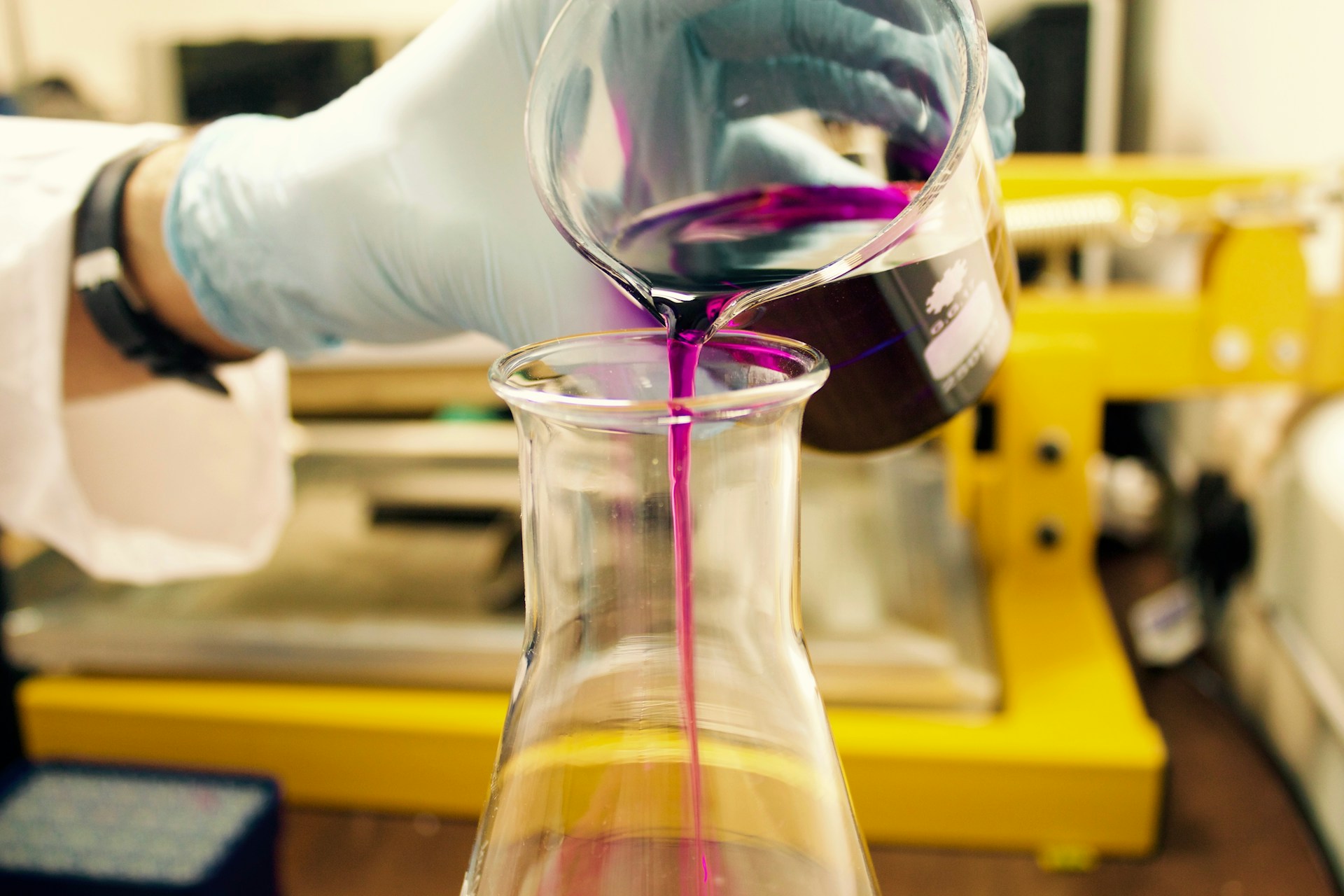
Choosing the right laboratory glassware for biotechnology is not just a shopping task, it directly shapes data quality, contamination control, and confidence in your results. When flasks crack in the autoclave or graduations fade halfway through the semester, workflows slow down, students lose trust in their tools, and research teams end up repeating work.
LabChoice Australia focuses on research-grade glassware and plastics that perform reliably in real laboratories across Australia. By specifying the right materials and standards from the outset, you reduce downtime, protect your assays, and keep teaching and research programs on track.
In this guide, we walk through how to choose biotechnology glassware that stands up to Australian lab conditions and supports consistent, traceable work. We explain what each category of product is for, how it is used in biotechnology, and why Australian buyers can trust LabChoice Australia as a premium, research-grade supplier.
What Makes Biotechnology Glassware Different
Biotechnology workflows are tough on labware. You are often working with:
- Aseptic technique and sterile handling
- Biological safety and containment
- Controlled temperatures from refrigerator to incubator to autoclave
- Contact with buffers, media, salts, detergents, and cleaning agents
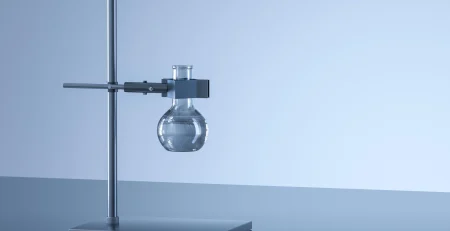
Standard kitchen-style glass will not cope for long. This is why BORO 3.3 borosilicate glass is the go‑to choice for serious biotech work in Australian universities, research institutes, hospitals, and industrial labs. Its low thermal expansion means it can handle rapid changes in temperature with far less risk of cracking in autoclaves, hot rooms, or water baths. BORO 3.3 also offers strong resistance to many chemicals used in media preparation, cleaning cycles, and sterilisation.
Key benefits of BORO 3.3 glassware for biotech labs include:
- Low thermal expansion for reliable autoclaving and dry heat sterilisation
- High clarity so you can easily check turbidity, colour change, and fill levels
- Chemical resistance to common acids, bases, solvents, and detergents
- Dimensional stability that supports repeatable performance over many cycles
For volumetric items such as measuring cylinders, pipettes, and volumetric flasks, international standards matter. ISO tolerances guide volumetric accuracy, while ASTM documents inform expectations around thermal performance and mechanical strength. When glassware is built and checked to these standards, it fits better with good laboratory practice and supports your internal QA systems.
LabChoice Australia prioritises BORO 3.3 glassware manufactured to relevant ISO and ASTM standards for volumetric accuracy and mechanical strength, so Australian laboratories can purchase with confidence that items will perform consistently over their service life.
Core Laboratory Glassware for Biotechnology Workflows
Most biotechnology labs, from secondary school classrooms and TAFE facilities to advanced research centres and biopharmaceutical QC labs, rely on a similar backbone of glassware. LabChoice Australia curates these core categories with a focus on research-grade quality and reliable availability across Australia.
Beakers, Flasks, and Measuring Cylinders
These items sit at the heart of buffer preparation, media formulation, and routine reagent work. In molecular biology, microbiology, and general biotech support labs, you might use LabChoice BORO 3.3 beakers, conical flasks, and measuring cylinders to:
- Prepare and adjust pH of buffers
- Dissolve and mix dehydrated media and supplements
- Dilute stock solutions and concentrates for assays
- Hold samples during gentle heating or cooling steps
Robust rims, stable bases, and clear, durable graduations help minimise spills, mis‑reads, and breakage when teaching large student cohorts or running busy diagnostic and industrial testing labs.
Volumetric Glassware
Volumetric glassware comes into play when accuracy needs to be higher. Class A or Class B volumetric flasks, pipettes, burettes, and measuring cylinders help when you are:
- Setting up analytical assays for protein or nucleic acid quantification
- Running enzyme kinetics where small concentration shifts matter
- Preparing standard curves and reference solutions for QC and method validation
- Performing titrations for water quality, fermentation monitoring, or bioprocess control
LabChoice Australia offers volumetric glassware manufactured and calibrated to relevant ISO and ASTM standards, with clear class markings and batch traceability where applicable. This supports audit trails in NATA‑accredited laboratories and helps teaching labs demonstrate good measurement practice.
Bottles and Storage Solutions
Bottles and storage vessels are often the unsung heroes of biotech workflows. Media bottles, reagent bottles, and screw‑cap containers need to seal well, cope with autoclaving, and stack neatly in refrigerators, freezers, and incubators.
In research institutes, diagnostic labs, and teaching facilities, LabChoice BORO 3.3 bottles and compatible closures support:
- Sterile storage of media, buffers, and supplements
- Safe transport of prepared reagents between rooms or buildings
- Archiving samples, controls, and standards for later testing
We focus on strong, chip‑resistant rims, chemically compatible caps and liners, and clear labelling areas so samples remain identifiable throughout their life cycle.
Matching Glassware to Biotechnology Applications
Different biotech workflows lean on glassware in distinct ways. LabChoice Australia structures its range so you can align specific items with the applications you run most often.
Cell and Tissue Culture Support
Even when the actual cultures live in plastic flasks, dishes, and multiwell plates, glass plays a major support role. Sterile glass bottles and measuring cylinders are common for:
- Storing and warming media and supplements in incubators or water baths
- Holding sterile buffers for washing, dissociation, and cryopreservation workflows
- Feeding filtration assemblies to sterilise custom buffers and media
Serological pipettes, often plastic, pair with glass or plastic reservoirs to prepare culture reagents. LabChoice coordinates glass and plastic volumes and fittings so culture labs can build compatible workflows rather than mixing ad‑hoc components.
Microbiology and Environmental Testing
Microbiology teaching labs, food and water testing facilities, and environmental monitoring labs regularly use glassware for culture, sterilisation, and sample preparation. These labs often depend on:
- Glass test tubes and culture tubes for broths and slants
- Erlenmeyer and conical flasks for shake cultures, aeration, and starter cultures
- Glass containers for membrane filtration and rinse steps in microbiological testing
Autoclave and hot‑air cycles are common, so thermal resistance and mechanical strength really matter to avoid cracked tubes and chipped rims. LabChoice BORO 3.3 tubes and flasks are specified for repeated thermal cycling to support routine media preparation and sterilisation schedules.
Molecular Biology and Analytical Workflows
For molecular biology, chromatography, and analytical chemistry that supports biotechnology, you might bring in:
- Glass vials and micro-vials for chromatography and autosampler injection
- Reaction tubes or small flasks for buffer preparation and enzyme setups
- Specialised glassware for solvent‑heavy DNA or RNA extraction steps
Here, low leachables and extractables from the container are important, so material choice helps protect sensitive enzymes, nucleic acids, and analytes. LabChoice sources low‑background glass vials and compatible caps to support HPLC, GC, and other analytical platforms used in bioprocess and pharmaceutical labs.
Educational and STEM Applications
Australian schools, universities, and TAFE providers need robust, easy‑to‑handle glassware that withstands repeated use by students. LabChoice educational ranges are designed for:
- Demonstrating core biotechnology concepts such as aseptic technique and serial dilution
- Supporting basic microbiology, enzyme assays, and DNA extraction activities
- Building consistent sets of beakers, cylinders, and flasks so students can follow standardised practicals
Durable markings and stable bases help reduce breakage and confusion during practical classes, supporting safe and effective STEM education.
Comparing Glassware, Plastics, and Hybrid Setups
Most modern biotech spaces in Australia do not choose between glass or plastic; they use a smart blend of both, selected for each step of the workflow.
Where Glass Excels
Glass is usually preferred when:
- Processes involve high temperatures, open flames, or dry heat sterilisation
- Aggressive solvents or strong acids and bases are in use
- Items must be autoclaved repeatedly over long periods
- You want to reduce risk of extractables, for example in sensitive assays or chromatography sample preparation
LabChoice BORO 3.3 glassware is specified for these conditions, providing a stable base for long‑term protocols and validated methods.
Where Plastics Are More Practical
Plastics often make more sense when:
- You are running high‑throughput screening or large student classes
- Single‑use sterility saves time and lowers cross‑contamination risk
- You need lightweight items for transport, outreach programs, or field work
- The workflow calls for special formats like multiwell plates, PCR plates, and culture flasks
LabChoice Australia complements its glass ranges with research-grade plastic consumables, enabling end‑to‑end workflows from sample collection through to analysis.
Designing Hybrid Setups
A hybrid strategy might look like this:
- BORO 3.3 glass bottles and cylinders as permanent core tools for media and buffer preparation
- Disposable plastic serological pipettes, filter units, and culture plastics for sterile work
- Mixed glass and plastic storage, chosen based on temperature range, sterility requirements, and chemical load
We curate glass and plastic lines that align in volume, joint sizes, and fittings, which helps avoid compatibility surprises and makes ordering simpler for Australian labs.
Buying Laboratory Glassware for Biotechnology in Australia
When you are ready to specify new glassware, a few points help narrow the field and avoid costly mismatches.
Key Specification Details
Consider the following when evaluating glassware for biotechnology:
- Class tolerances for volumetric ware, matching your QA or NATA accreditation requirements
- Heavy‑wall versus standard‑wall glass for pressure or vacuum work such as filtration, distillation, or degassing
- Joint sizes and ground‑glass connections for distillation, extraction, or filtration assemblies
- Cap and closure materials (for example, polypropylene, PTFE‑lined caps) that suit autoclaving and chemical contact
LabChoice product listings clearly identify volumes, tolerances, joint sizes, and material specifications so you can match items to your protocols and SOPs with confidence.
Durability and Lifecycle Cost
Durability links directly to lifecycle cost and uptime. Higher quality BORO 3.3 glassware can reduce breakage, keep markings legible for longer, and prevent workflow interruptions in busy teaching labs, hospitals, and research facilities.
LabChoice Australia focuses on:
- Thick, well‑balanced bases and rims to resist chipping
- Permanently fused or highly durable graduations for long‑term readability
- Compatibility with common Australian laboratory glasswashers and detergents
Local Conditions and Supply in Australia
Local conditions in Australia also matter. Many labs work with limited autoclave capacity, tight bench space, and strict rules on biological and chemical waste handling. Freight reliability across states and territories is another factor, especially for regional schools and labs.
LabChoice Australia supports these needs through:
- Reliable national distribution and protective packaging to minimise breakage in transit
- Clear online product data and technical information sheets
- Guidance around ISO‑ or ASTM‑compliant options to support method validation and audits
This approach builds trust for Australian laboratories, schools, and research teams who need dependable supply and transparent specifications.
Planning Your Next Glassware Upgrade with Confidence
A good first step is a simple bench audit. Walk through your lab and look for:
- Faded or unreadable calibration markings
- Chipped rims and cracked bases
- Mismatched sets that slow down teaching and training
- Glass that struggles in the autoclave or during hot‑cold cycles
From there, you can build application‑based kits for each space, using LabChoice ranges as building blocks. For example:
- A microbiology teaching lab might focus on culture tubes, Erlenmeyer flasks, and media bottles.
- A biotechnology research group may lean on high‑accuracy volumetric glassware, media bottles, and chromatography vials.
- Industrial QC labs that support bioprocessing may need Class A volumetric items plus sturdy sampling bottles for routine in‑process testing.
- Cell and tissue culture facilities may prioritise glass media bottles, filtration assemblies, and reservoirs that integrate with their incubators and biosafety cabinets.
At LabChoice Australia, we design and select our glassware and plasticware ranges so Australian laboratories, schools, and research teams can assemble reliable, scalable setups that support current work and leave room for future growth. By choosing BORO 3.3 glassware and compatible plastics backed by clear standards and specifications, you build biotechnology workflows that are accurate, reproducible, and ready for the demands of modern Australian science.
Get Started With Reliable Glassware For Your Next Breakthrough
Equip your team with precision-fit laboratory glassware for biotechnology so your workflows stay accurate, consistent and compliant. At LabChoice Australia, we carefully source products that match the demands of modern biotech labs, from routine assays to complex R&D. If you are unsure which glassware suits your application, reach out via contact us and we will help you choose the right setup for your project.