When you hear people talk about glassware in a lab, Pyrex and borosilicate usually get thrown around like they’re the same thing. While they do overlap a bit, they’re not identical. If you’re working in any type of lab, whether that’s in research, education, or industry, it’s helpful to know what makes these glasses different. That can make your equipment choices clearer and help you avoid mistakes, especially when heat and chemical reactions are involved.
These types of glass are common in lab gear acrossschools and workplaces all over Australia. Frombeakers to reaction flasks, both borosilicate and Pyrex are used for serious work that demands durable materials. But just because something looks like quality glass doesn’t mean it has the same performance when put to the test. If we’re working in a space where safety and accuracy count, it’s worth taking a closer look at what sets these two apart when choosing laboratory glassware in Australia.
Borosilicate glass is designed to take the heat. It doesn’t just handle higher temperatures, it also resists breaking when the temperature shifts suddenly. That’s because it’s made with ingredients that include silica and boron oxide, which give it some helpful properties forlab settings.
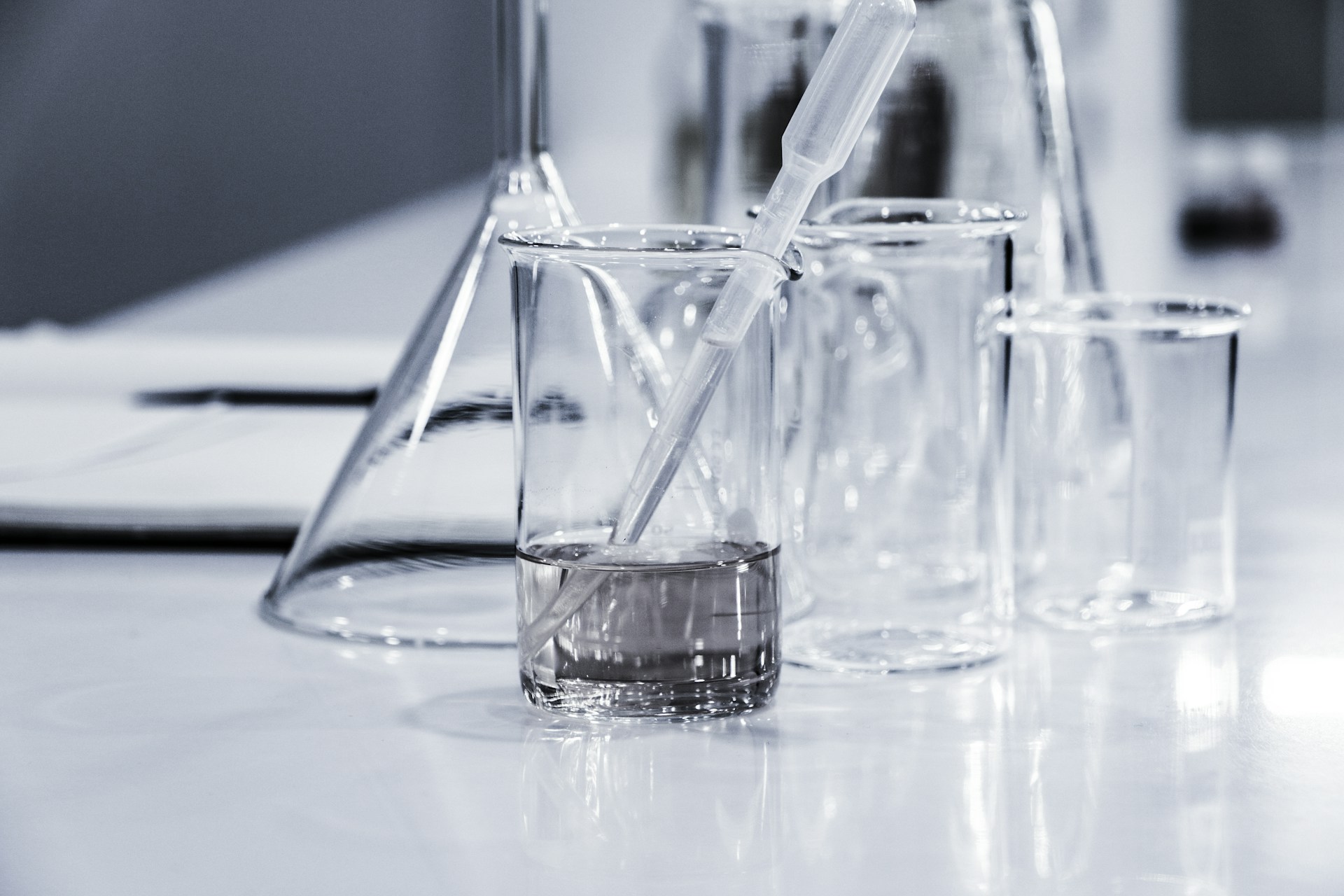
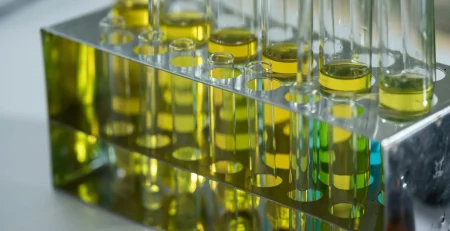
You’ll find borosilicate in all sorts of familiar lab tools, beakers, test tubes, measuring cylinders,flasks, and more. It’s also used in heating applications, like over Bunsen burners or in hot water baths. It doesn’t expand or contract as much as regular glass when heated, which helps reduce the risk of it cracking or shattering during experiments. At LabChoice Australia, all laboratory glassware is manufactured from high-purity borosilicate, conforming to strict ISO standards for chemical and heat resistance, which guarantees reliability for demanding lab environments.
What makes it better than normal glass is how stable it stays under stress. Whether you’re stirring a hot mixture or moving something from cold storage to a warm lab bench, borosilicate holds together. Regular glass might look the same at a glance, but put it through those temperature or pressure changes and you’ll quickly spot the difference.
So, What Exactly is Pyrex?
Pyrex started out as a brand name for glassware that used borosilicate. That’s why the name still carries weight in labs and kitchens alike. But over time, not all Pyrex has stayed true to that material. These days, depending on where and how it’s made, Pyrex can be either borosilicate or soda-lime glass.
This is where things get confusing. Soda-lime glass doesn’t hold up as well under heat or sudden changes in temperature. It’s fine for some uses, like mixing or low-heat storage, but it’s not the best match for baking or lab heating because it can break more easily.
So, if a beaker just says “Pyrex” without any clear info on what type of glass it really is, that leaves room for guessing. And guessing wrong in a lab isn’t something we want to do. For reliable work, it’s helpful to confirm not just the brand, but the material underneath it.
How Are They Different?
Though Pyrex and borosilicate sometimes mean the same thing, the real test is in the performance. Borosilicate can handle heat far better. It can go from freezing to boiling without cracking, which is why it’s the go-to material in loads of labs. Soda-lime, found in some types of Pyrex, just can’t manage the same level of abuse.
Here’s where it can matter:
• Heating reactions directly over flame or hot plate
• Storing solutions where temperature might vary
• Doing repeated cycles of heating and cooling
In any of those cases, a borosilicate beaker or reaction jar is less likely to fail under stress. It might not be obvious just by looking at the glass, though. That’s why markings, labels, or even checking with your supplier can be helpful.
With the wrong type of glass, a sudden temperature change can mean a cracked container or, worse, a mess that puts people or samples at risk. That’s not something we want to deal with in the middle of a lab session.
Picking the Right Glassware for Your Lab
Choosing between Pyrex and borosilicate comes down to how the equipment will be used. Are you heating substances regularly? Are you storing chemical solutions long-term? Do your experiments last all day, or are they quick tests?
For heating and chemical reactions, borosilicate is the safer option. It’s made for that kind of use. Soda-lime glass, while sometimes cheaper or more available, can’t match that strength or stability. So if a beaker is going straight over a flame or into a heating unit, we stick with borosilicate.
If you’re not using heat, maybe just storing buffers or preparing simple mixtures, then other types might still be fine. But even then, it’s better to have peace of mind. A bottle that cracks because of a small change in room temp isn’t ideal for any setup, whether it’s in a classroom or research lab.
We also look at factors like:
• What chemicals are being used
• How often the glassware will be cleaned
• Whether it will be used daily or once in a while
Glassware isn’t one-size-fits-all. That’s why it pays to double-check labels and match your tools to your tasks. When in doubt, getting advice from someone who knows lab materials can help avoid any surprises.
Your Reliable Source for Laboratory Glassware in Australia
Not every glass container stamped with “Pyrex” is made the same way. That’s why it’s worth looking beyond the name. Borosilicate glass has the strength and heat resistance that suits most lab uses. Knowing what you’re working with can make every setup a bit safer and more reliable.
We are based in Melbourne and supply premium borosilicate glassware Australia-wide, supporting professionals in research, education, and industry. Each product is carefully selected for quality, durability, andsafety, meeting the practical demands of Australian labs.
Knowing what materials you’re working with makes a difference when setting up your lab or upgrading equipment. We always rely on lab tools that can handle daily use, especially when heat or pressure play a part. For a safe and reliable workspace, understanding material differences helps you choose equipment that fits your needs. You can browse our full range of laboratory glassware in Australia to find the right fit. For help or advice on selecting products, contact LabChoice Australia.