1
Sep
Volumetric Flask Accuracy: Why Class A Matters in Standard Solution Preparation
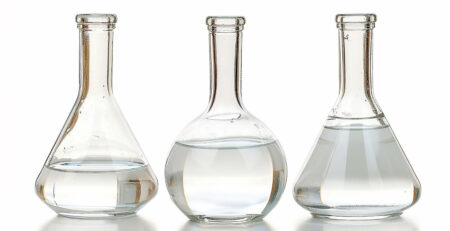
When precision matters, few pieces of glassware are as important as the volumetric flask. Designed for preparing exact solution concentrations, volumetric flasks are critical in analytical chemistry, pharmaceuticals, and quality control labs. The difference between Class A and Class B flasks can mean the difference between compliance and error. For Australian laboratories, choosing the right volumetric flask ensures both accuracy and safety.
Why Accuracy in Volumetric Flasks Matters
Volumetric flasks are calibrated to deliver precise volumes at a set temperature (usually 20 °C). Even small deviations can compromise titrations, pharmaceutical formulations, or calibration standards. International regulations such as ISO 1042 and ASTM E288 define tolerances and calibration requirements, making Class A flasks the benchmark for compliance.
LabChoice Australia supplies BORO 3.3 borosilicate volumetric flasks, ensuring chemical resistance, thermal stability, and ISO-compliant precision.
Class A vs Class B Volumetric Flasks
| Feature | Class A Volumetric Flask | Class B Volumetric Flask |
|---|---|---|
| Accuracy | ± 0.05 mL (typical for 100 mL flask) | ± 0.10 mL (typical for 100 mL flask) |
| Calibration | Individually calibrated and certified | Bulk manufactured, less precise |
| Compliance | ISO 1042 / ASTM E288 traceable | Meets ISO but with wider tolerance |
| Best Use | Analytical chemistry, QC labs, pharma | Teaching, demonstrations, general use |
| Cost | Higher upfront, long-term compliance benefit | Lower cost, shorter lifespan |
Volumetric Flasks vs Other Measuring Glassware
| Feature | Volumetric Flask (Class A) | Graduated Cylinder (Class A) | Beaker |
|---|---|---|---|
| Accuracy | ± 0.05% (high precision) | ± 0.5 – 1.0% (moderate precision) | Approximate only |
| Design | Bulb with long neck, single calibration line | Tall cylinder with multiple graduations | Wide mouth, simple graduations |
| Best Application | Standard solution preparation, titrations | Routine volume measurement, prep work | Mixing, heating, rough estimates |
| Compliance | Required in regulated labs (ISO 1042) | Suitable for schools and general labs | Not for accuracy-critical applications |
When to Use Class A vs Class B
- Class A Flasks: Required in accredited environments. Example: A Sydney pharmaceutical QC lab uses LabChoice Class A flasks for preparing standard solutions under TGA compliance.
- Class B Flasks: Cost-effective for schools. Example: A Melbourne high school equips students with Class B flasks for molarity exercises, where ultra-high accuracy is not essential.
LabChoice BORO 3.3 Advantage
LabChoice volumetric flasks are manufactured from BORO 3.3 borosilicate glass to ISO 1042, offering:
- Exceptional resistance to chemical corrosion and thermal shock.
- Long service life even under repeated autoclaving.
- Narrow or wide neck options, with glass or PE stoppers, to suit both education and industry.
FAQs
Why is Class A more expensive than Class B?
Because Class A flasks are individually calibrated with certificates traceable to ISO/ASTM standards.
Do Class B flasks meet ISO standards?
Yes, but with wider tolerances, making them unsuitable for regulated labs.
Can volumetric flasks be autoclaved?
Yes, LabChoice BORO 3.3 flasks can withstand repeated autoclaving cycles.
Are volumetric flasks more accurate than cylinders?
Yes, volumetric flasks are designed for fixed, precise volumes, while cylinders are for approximate measurements.
📚 References
University of Melbourne, School of Chemistry. Laboratory Manual: Volumetric Analysis and Accuracy in Standard Solution Preparation. Melbourne, Australia.sures compliance with ISO 1042 and ASTM E288. LabChoice Australia’s BORO 3.3 volumetric flasks provide Australian laboratories with the precision, safety, and durability needed for analytical and regulated environments.
International Organization for Standardization (ISO). ISO 1042:2013 — Laboratory glassware — One-mark volumetric flasks. Geneva: ISO. https://www.iso.org/standard/55880.html
ASTM International. ASTM E288-20 — Standard Specification for Laboratory Glass Volumetric Flasks. West Conshohocken, PA: ASTM International. https://www.astm.org/e0288-20.html
National Institute of Standards and Technology (NIST). Handbook 105-2: Specifications and Tolerances for Laboratory Volumetric Glassware. U.S. Department of Commerce. https://nvlpubs.nist.gov/nistpubs/Legacy/handbooks/NBSHandbook105-2.pdf
American Chemical Society (ACS). Laboratory Safety and Accuracy in Glassware Use. ACS Publications and Education Resources. https://www.acs.org