

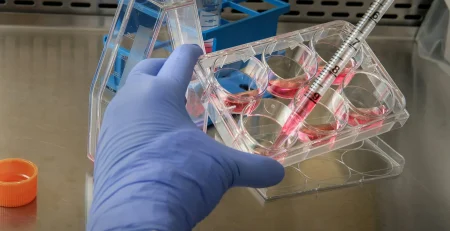
Beyond Reuse: Disposable Labware for Pharmaceutical QA Workflows
Why Disposable Labware Matters in Pharma QA
Disposable labware for pharmaceuticals is no longer just a backup when the glassware cupboard is empty....
read more
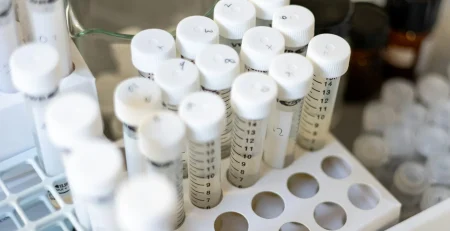
Planning Disposable Labware for Pharmaceutical Stability Studies
Build Reliable Stability Studies From Day One
Good disposable labware planning can make or break a pharmaceutical stability program. When we know exactly...
read more
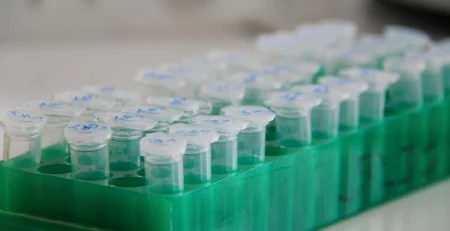
Balancing Contamination Control and Cost in Disposable Labware
Good contamination control keeps pharmaceutical work moving. Poor control quietly wrecks timelines. Many Australian labs are tightening standards, especially in pharma and...
read more
Understanding Disposable Labware for Pharmaceutical QA Workflows
Strengthening Pharma QA with Smarter Disposable Choices
Disposable labware for pharmaceuticals is more than plastic and glass in a box. It is the...
read more
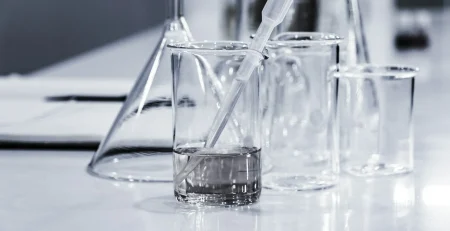
Understanding Disposable Labware for Pharmaceutical Sample Integrity
Protecting Pharmaceutical Samples From the First Touch
Sample integrity starts the moment a drug substance or product touches a surface. Before the HPLC...
read more
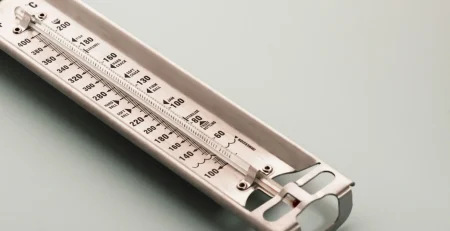
Laboratory Thermometer Guide: Selection, Use and Care
Build Confidence in Every Heating Check
A dependable temperature check helps you keep testing conditions steady, protect samples and get more consistent performance...
read more
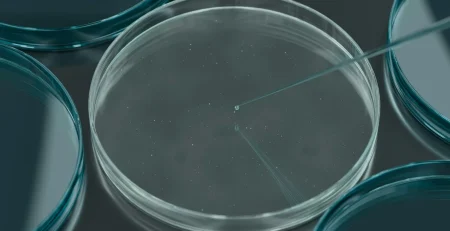
Petri Dish Guide: Uses and Applications in Laboratory Work
Make Laboratory Workflows More Consistent
Laboratory workflows are familiar in many settings, but steady results depend on more than one piece of equipment....
read more
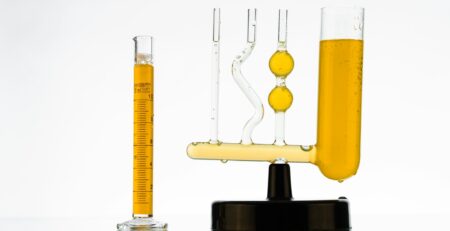
Understanding Which Lab Consumables Get Replaced the Fastest
Every lab uses certain items day in and day out. Gloves, tips, wipes, and other consumables might not grab attention at first,...
read more
Filter Paper Selection Guide: Grades, Pore Sizes, and Best Practices
Filtration is one of the most common techniques in laboratories, from chemistry and microbiology to food testing and water analysis. The right...
read more
Parafilm in the Laboratory: Sealing, Storage, and Best Practices
Parafilm is a flexible, stretchable sealing film used in laboratories worldwide. Known for its ability to create airtight and moisture-resistant seals, it...
read more