9 Sep

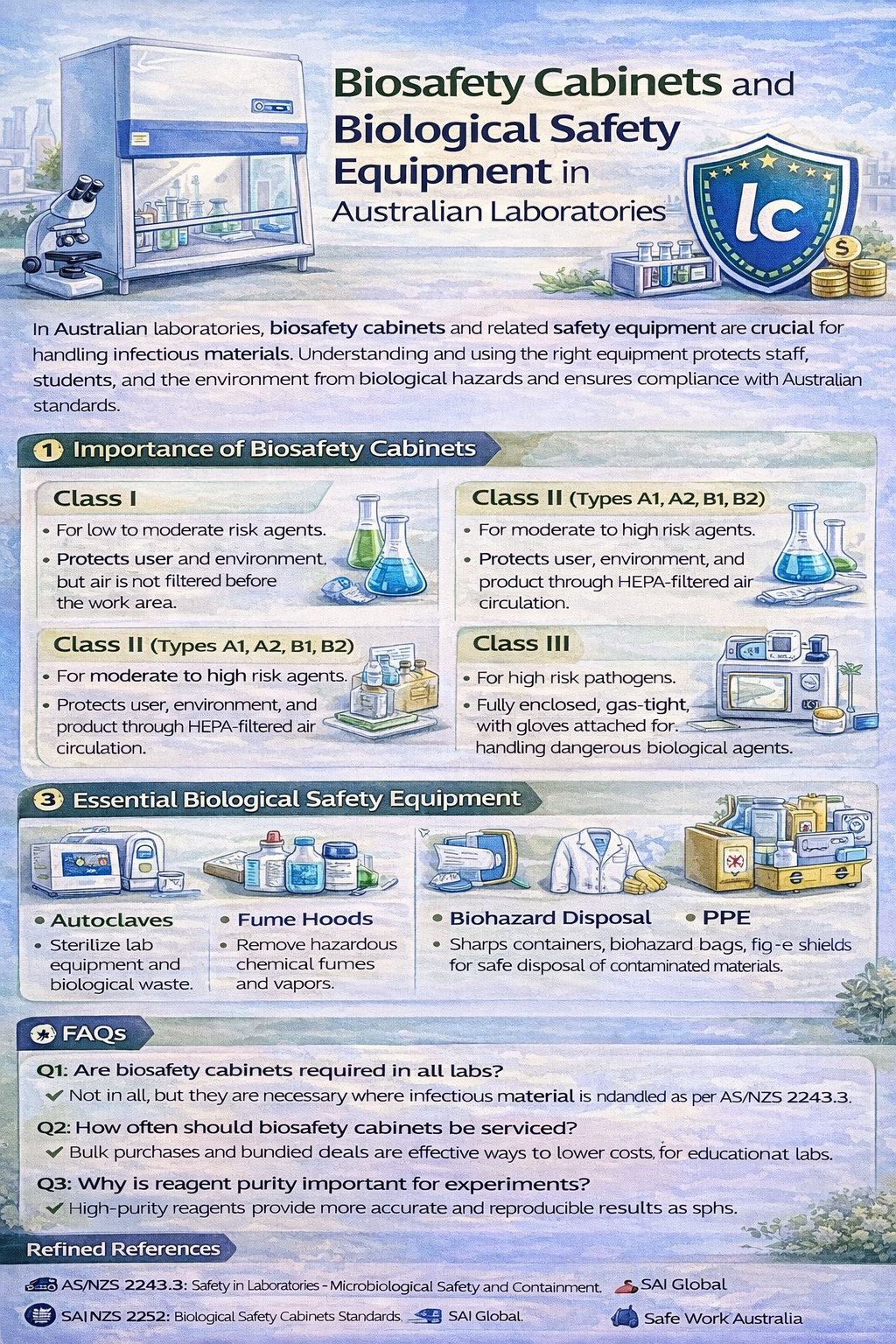
Biosafety Cabinets and Biological Safety Equipment in Australian Laboratories

Biological hazards are a serious concern in laboratories working with microorganisms, cell cultures, and clinical samples. Protecting staff,...
No Comments
9 Sep

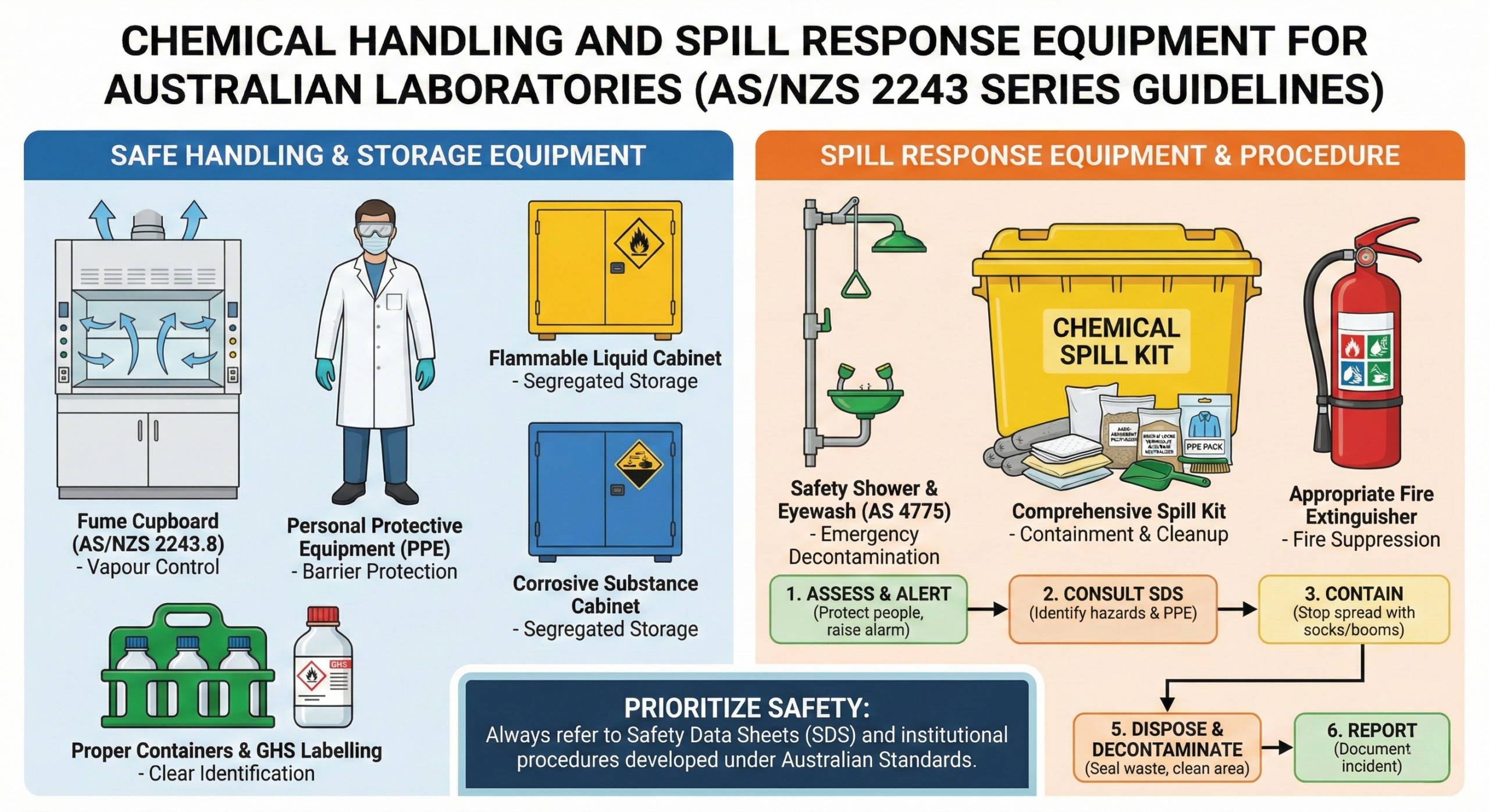
Chemical Handling and Spill Response Equipment for Australian Laboratories

Chemical hazards are one of the greatest risks in laboratories. Even a small spill can cause injuries, damage...
No Comments
9 Sep

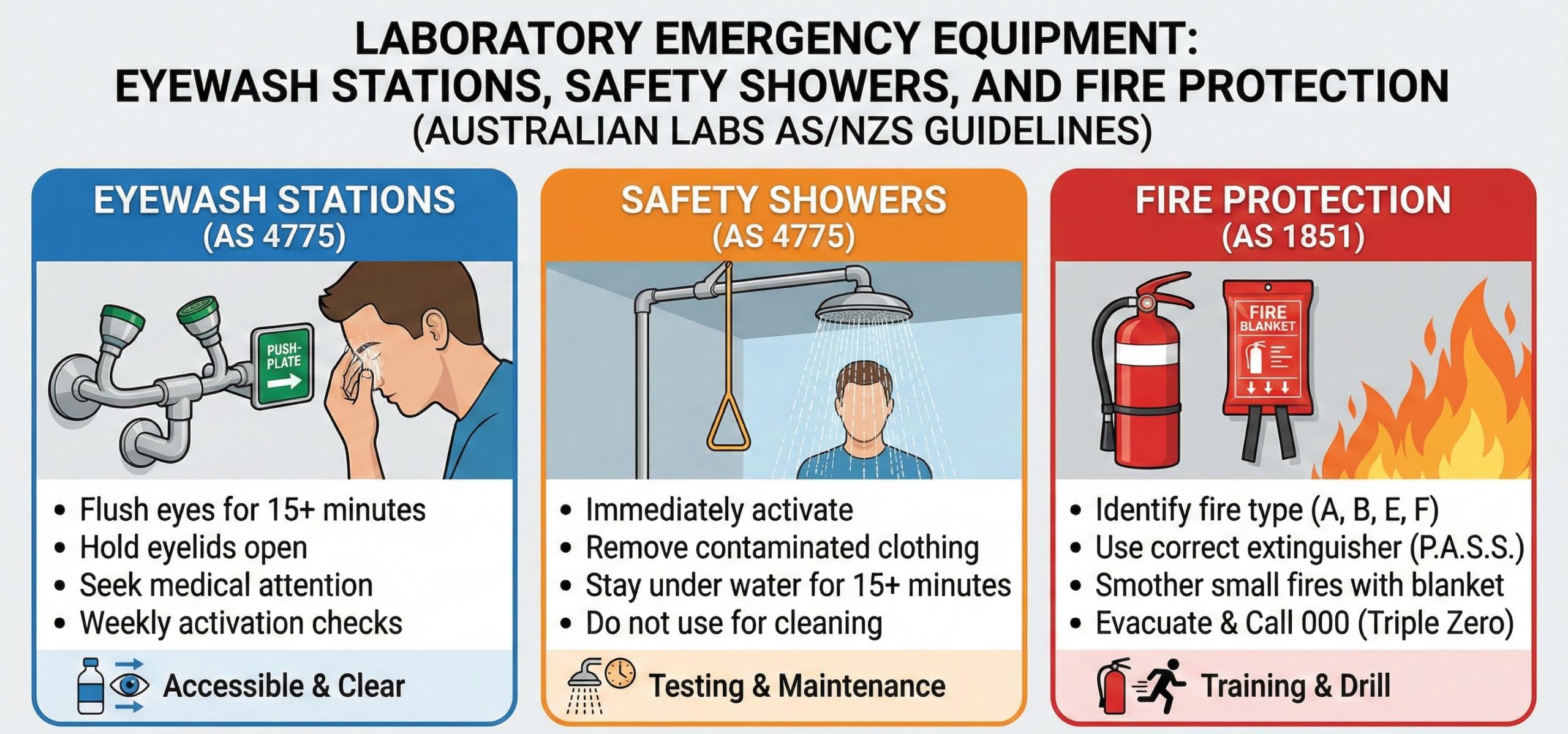
Laboratory Emergency Equipment: Eyewash Stations, Safety Showers, and Fire Protection in Australian Labs

Emergencies in the laboratory can happen without warning — from chemical splashes to fires. Preparedness is key, and...
No Comments
9 Sep

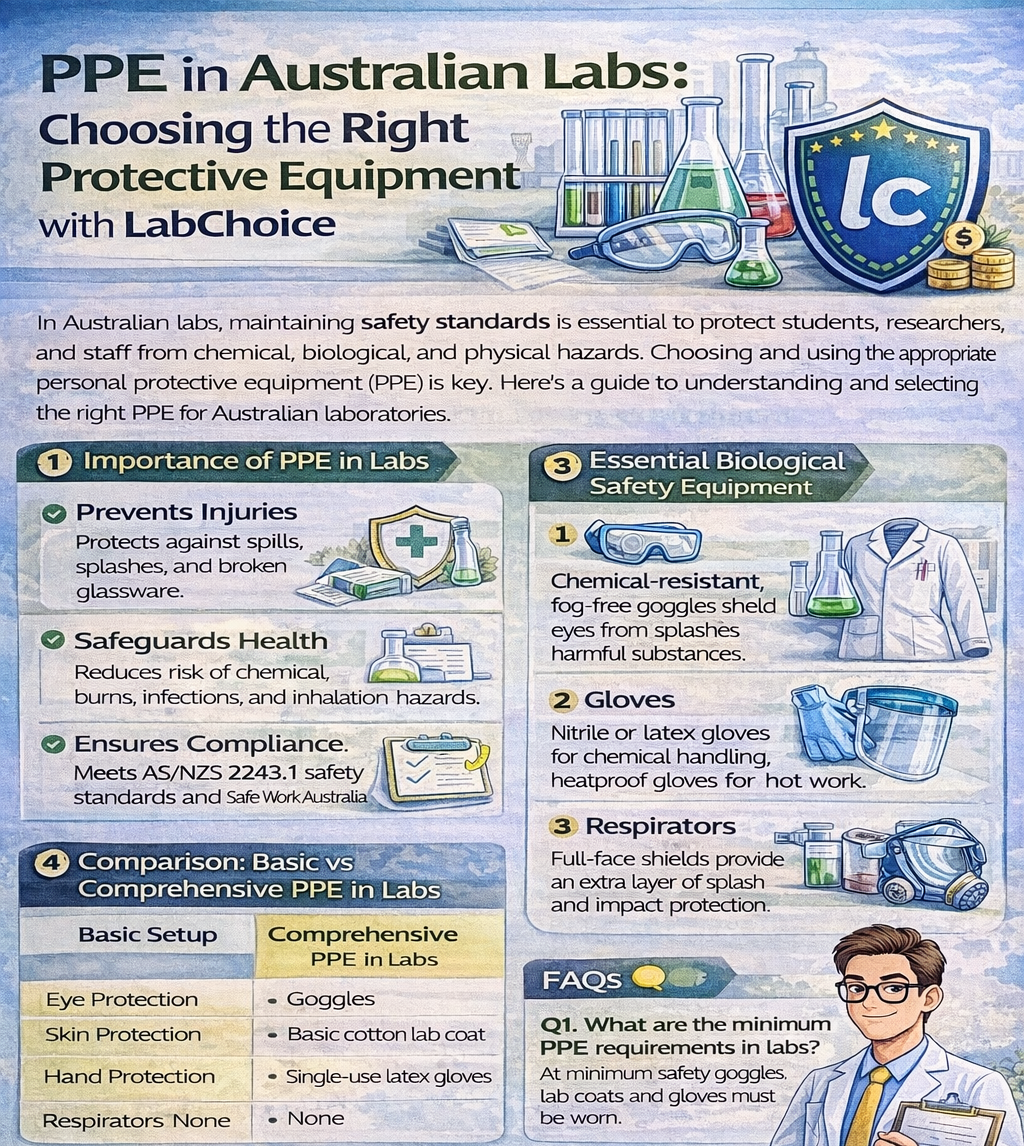
PPE in Australian Labs: Choosing the Right Protective Equipment with LabChoice

Personal Protective Equipment (PPE) forms the frontline defence in any laboratory. From handling corrosive chemicals to working with...
No Comments
9 Sep

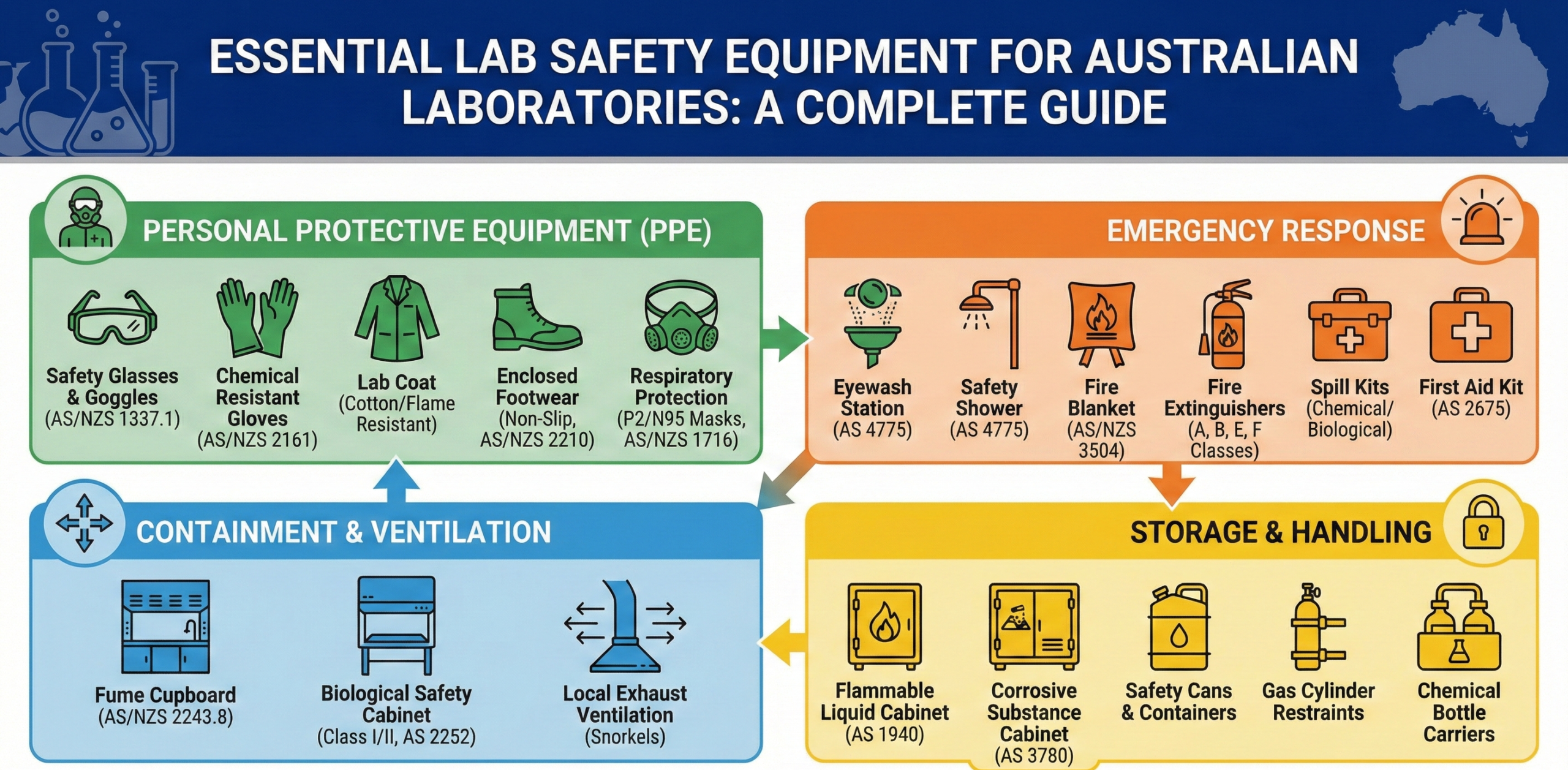
Essential Lab Safety Equipment for Australian Laboratories: A Complete Guide

Laboratories are environments of discovery and innovation, but they also present inherent risks. From chemical spills to biohazard...
No Comments
9 Sep

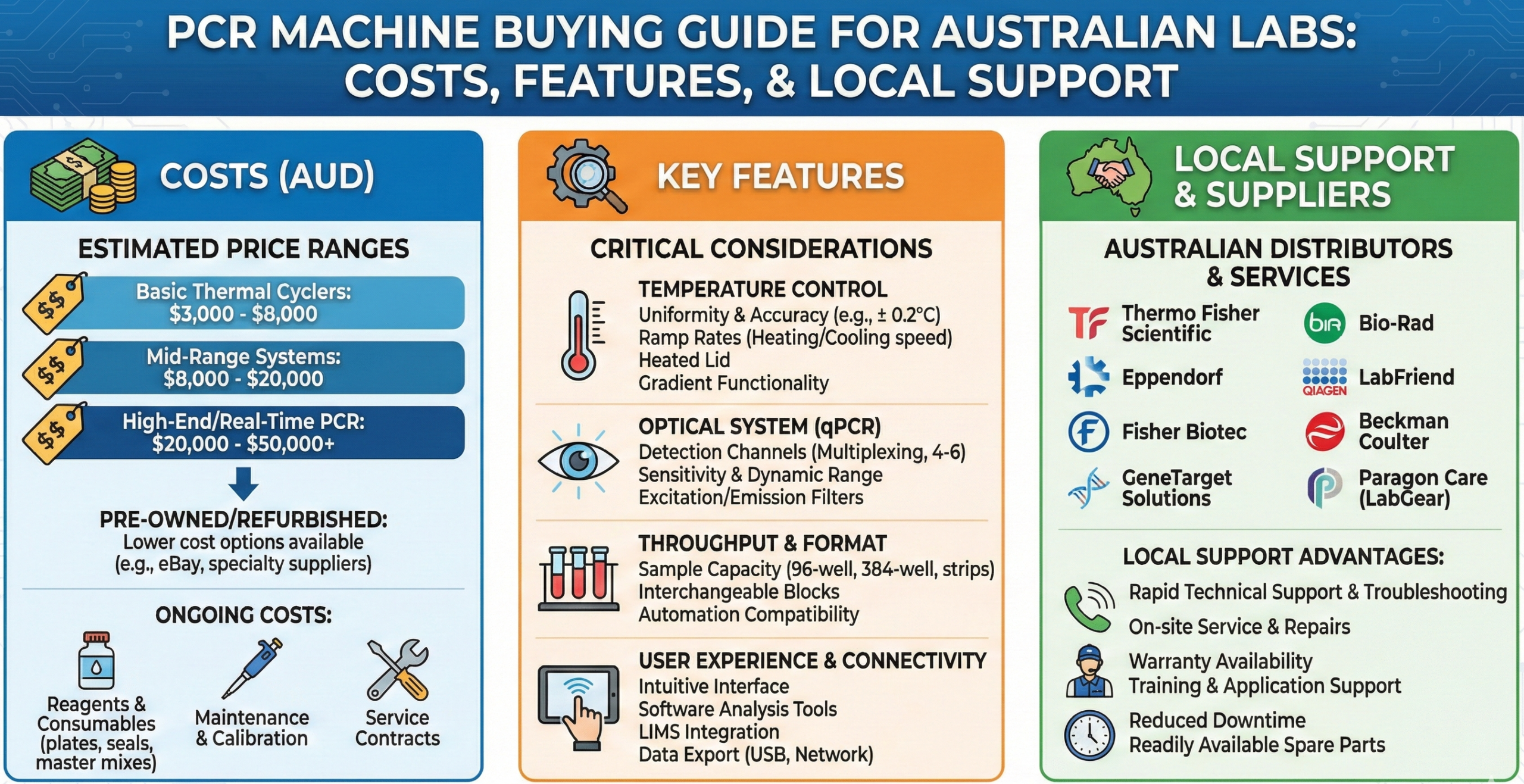
PCR Machine Buying Guide for Australian Labs: Costs, Features, and Local Support

Investing in a PCR machine is one of the most important decisions for an Australian laboratory. Whether used...
No Comments
9 Sep

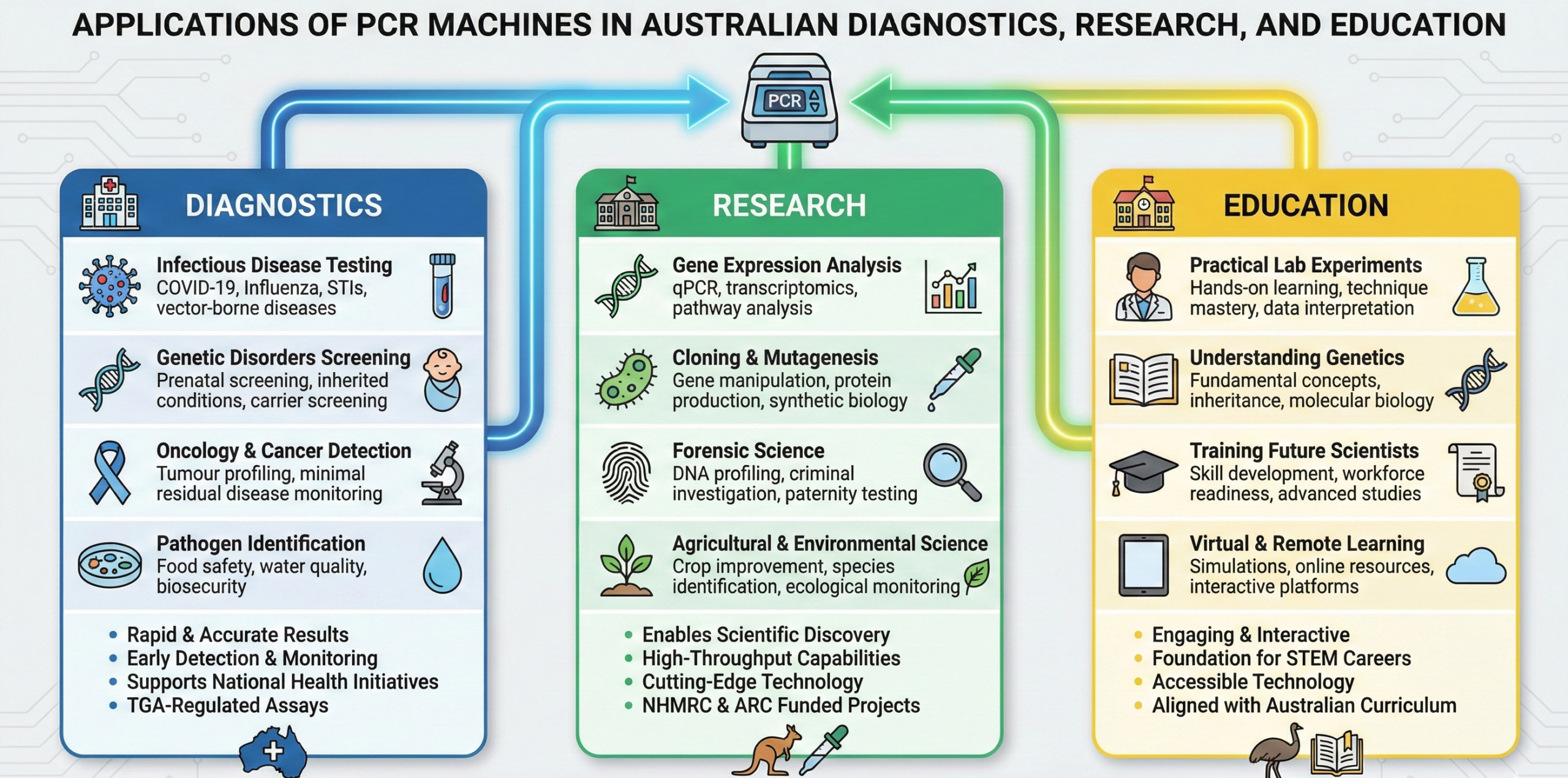
Applications of PCR Machines in Australian Diagnostics, Research, and Education

Polymerase Chain Reaction (PCR) has transformed science and medicine by enabling the rapid amplification of DNA. In Australia,...
No Comments
9 Sep

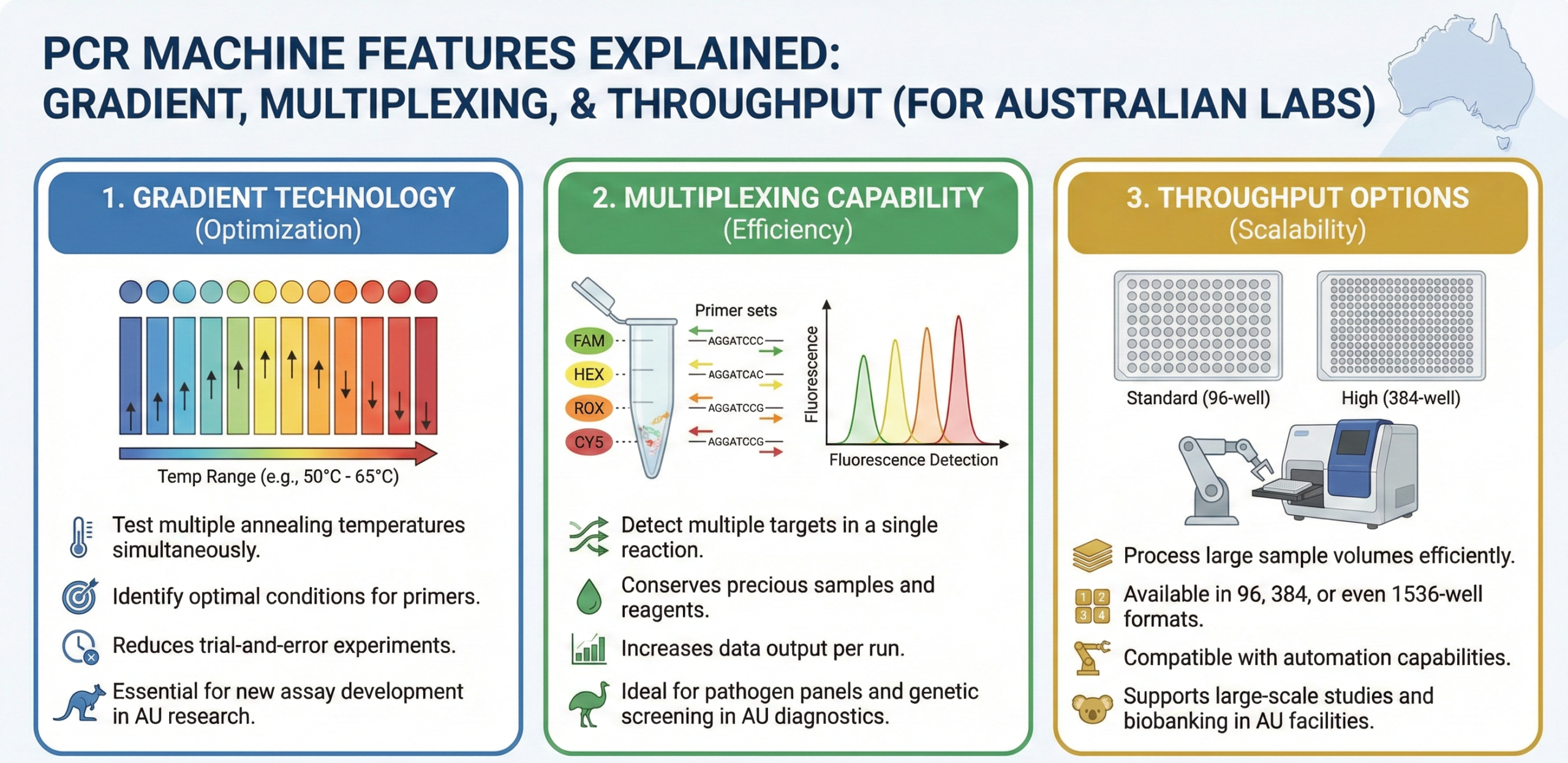
PCR Machine Features Explained: Gradient, Multiplexing, and Throughput for Australian Labs

The performance of a PCR machine depends not only on its build quality but also on the features...
No Comments
9 Sep

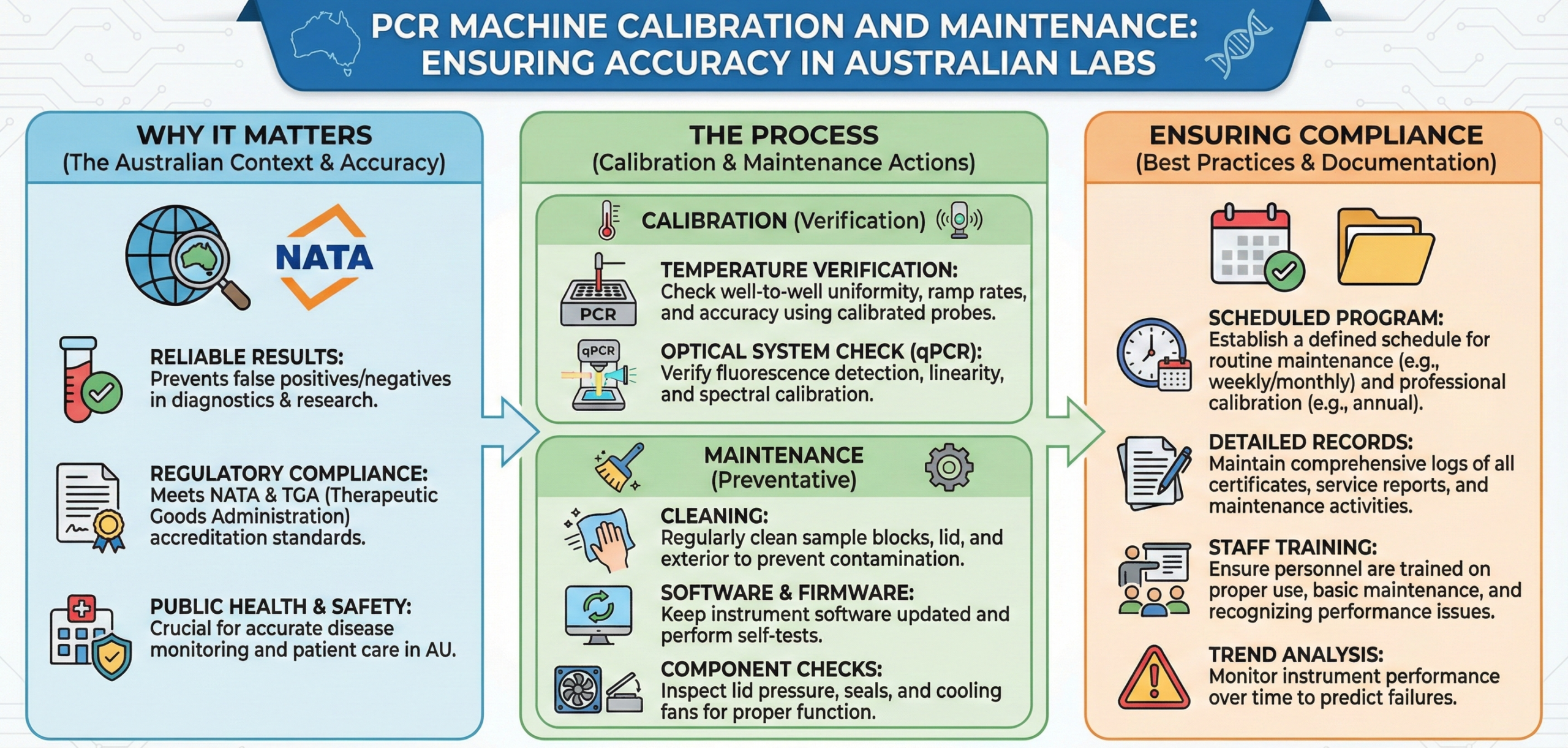
PCR Machine Calibration and Maintenance: Ensuring Accuracy in Australian Labs

PCR (Polymerase Chain Reaction) is central to molecular diagnostics, genetics, and quality control testing. Yet even the most...
No Comments
9 Sep

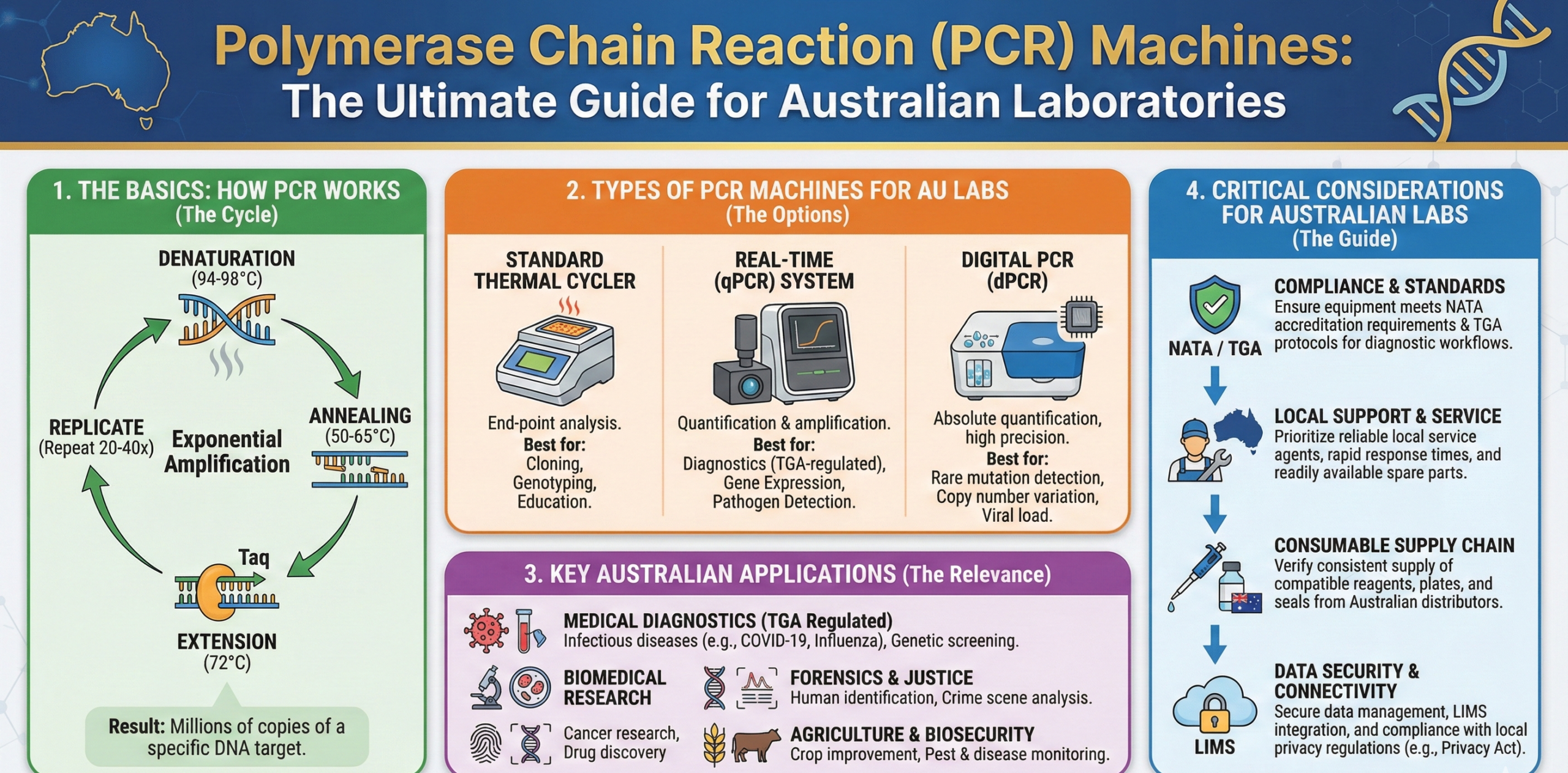
Polymerase Chain Reaction (PCR) Machines: The Ultimate Guide for Australian Laboratories

PCR machines rank among the most transformative tools in molecular biology, revolutionizing research, diagnostics, and biotechnology worldwide. For...
No Comments

Circular Economy in Science: Designing Labs for Reuse and Recycling

The concept of a circular economy is reshaping industries worldwide, and laboratories are no exception. Instead of relying on a...

Reducing Plastic Waste in Laboratories: Strategies for Sustainable Science

Laboratories worldwide are major contributors to plastic waste, with research showing they generate up to ten times more plastic waste...

Green Lab Certification: What Australian Laboratories Need to Know

As sustainability becomes a global priority, laboratories are being recognised not just for their research but also for their environmental...

Carbon Neutral Labs: How Universities Are Building Net-Zero Science Facilities

As Australia pushes towards net-zero emissions by 2050, universities and research institutions are leading the way with carbon neutral laboratories....

Water Conservation in Labs: Reducing Waste in Cooling and Washing

Water is one of the most overused resources in laboratories. From cooling condensers in chemistry experiments to washing glassware and...

Green Chemistry in Education: Teaching Sustainability in Australian Schools

Science education is no longer just about teaching reactions and formulas — it’s also about instilling sustainable practices. Green chemistry,...

Waste Segregation in Laboratories: Building a Recycling-Friendly Workflow

Waste management is one of the most overlooked sustainability practices in laboratories. From plastics and glass to solvents and sharps,...

Glass vs Plastic Pipettes: Which Supports Sustainable Laboratory Practices?

Pipettes are one of the most widely used tools in laboratories, from classrooms to advanced research facilities....

Green Procurement in Science: Choosing Sustainable Labware Suppliers

Procurement is more than just purchasing — it shapes the environmental footprint of laboratories. From glassware to consumables, choosing suppliers...

Laboratory Energy Efficiency: How Green Labs Reduce Carbon Footprints

Laboratories are among the most energy-intensive facilities in the world, consuming 3–5 times more energy per square metre than office...

Eco-Friendly Sterilisation: Autoclaving vs Chemical Disinfection in Green Labs

Sterilisation is essential in laboratories, ensuring that equipment, media, and consumables remain free of microorganisms. But how labs sterilise can...

How Australian Laboratories Can Cut Plastic Waste by 50% with BORO 3.3 Glassware

Plastic waste in laboratories is a growing environmental challenge. Research has shown that labs generate up to 10 times more...