8 Sep

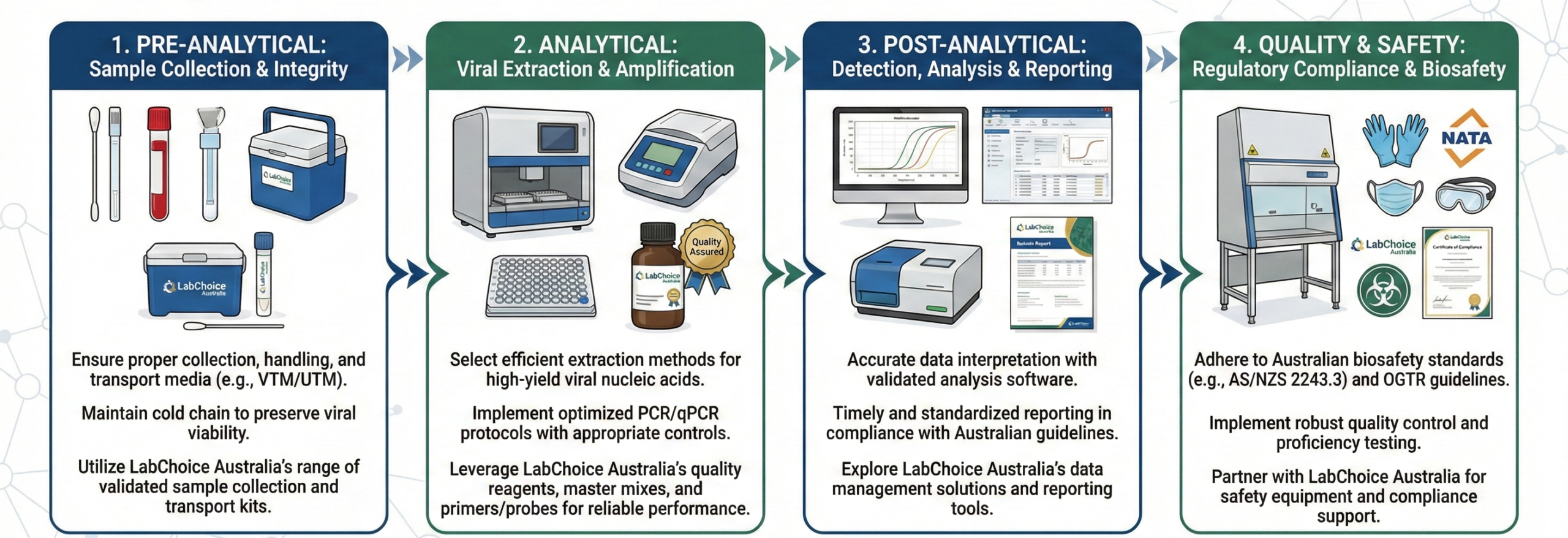
Guide to Viral Assays in Australian Laboratories: Best Practices with LabChoice Australia

Viral assays are fundamental tools for detecting, quantifying, and studying viruses in clinical, research, and environmental laboratories across Australia. Whether for diagnostic testing, vaccine...
No Comments
8 Sep

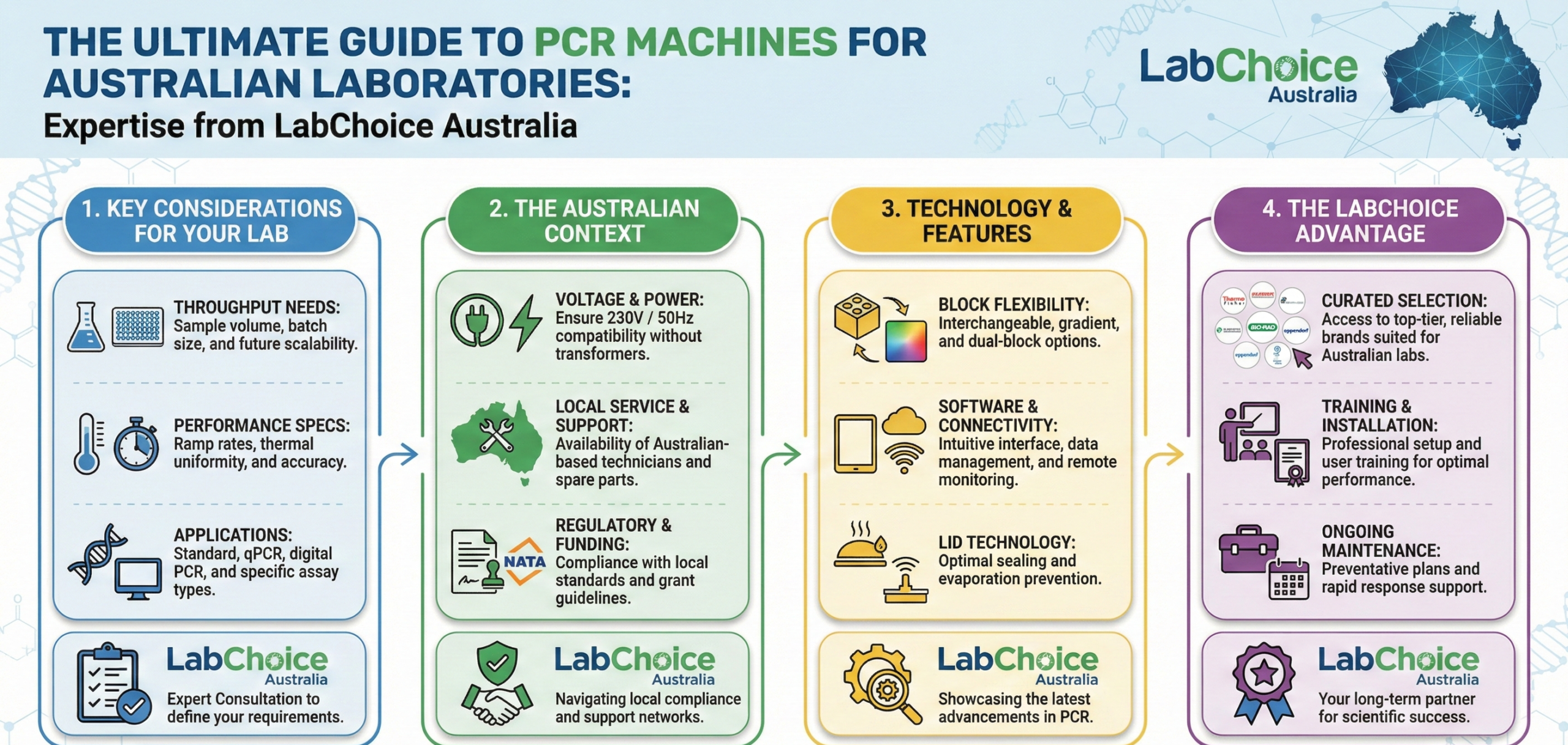
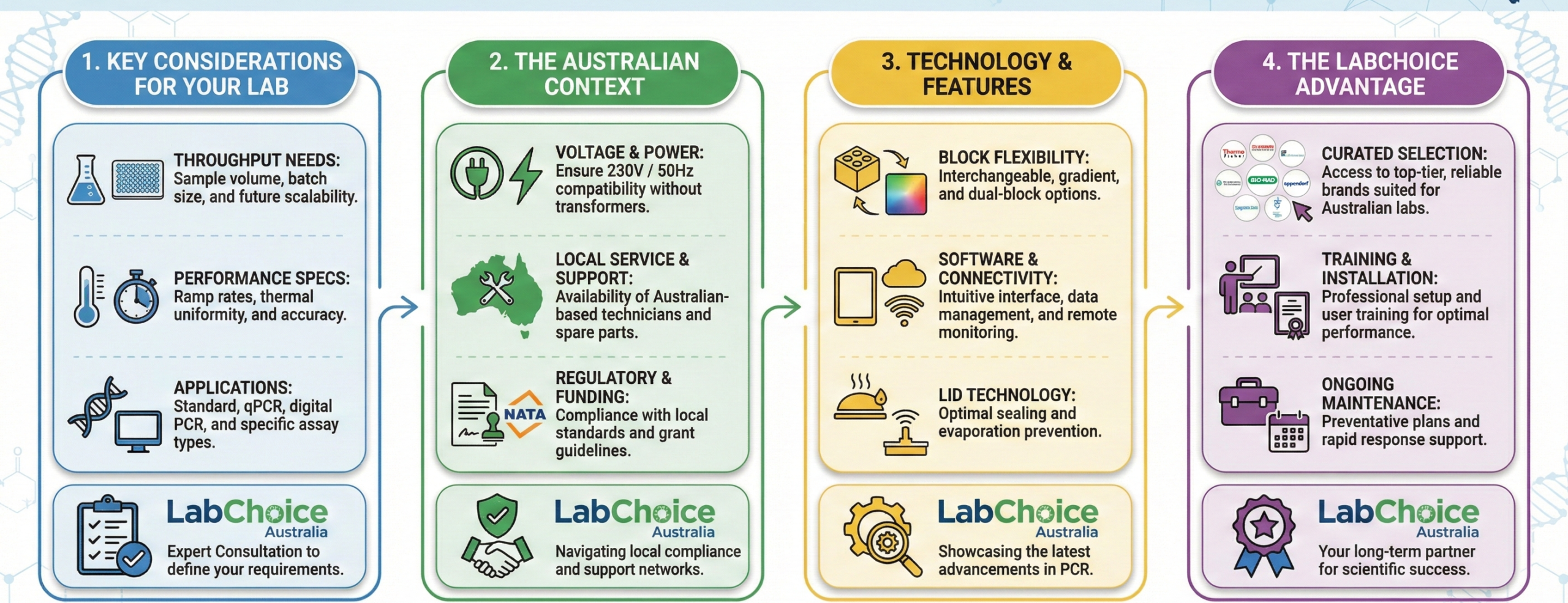
The Ultimate Guide to PCR Machines for Australian Laboratories: Expertise from LabChoice Australia

Polymerase Chain Reaction (PCR) machines have revolutionized molecular biology, diagnostics, and research by enabling rapid amplification of DNA...
No Comments
8 Sep

Comparing Refrigerated vs. Non-Refrigerated Centrifuges: What Australian Laboratories Need to Know

Selecting between refrigerated and non-refrigerated centrifuges is a key decision that impacts sample integrity, operational efficiency, and budget...
No Comments
8 Sep

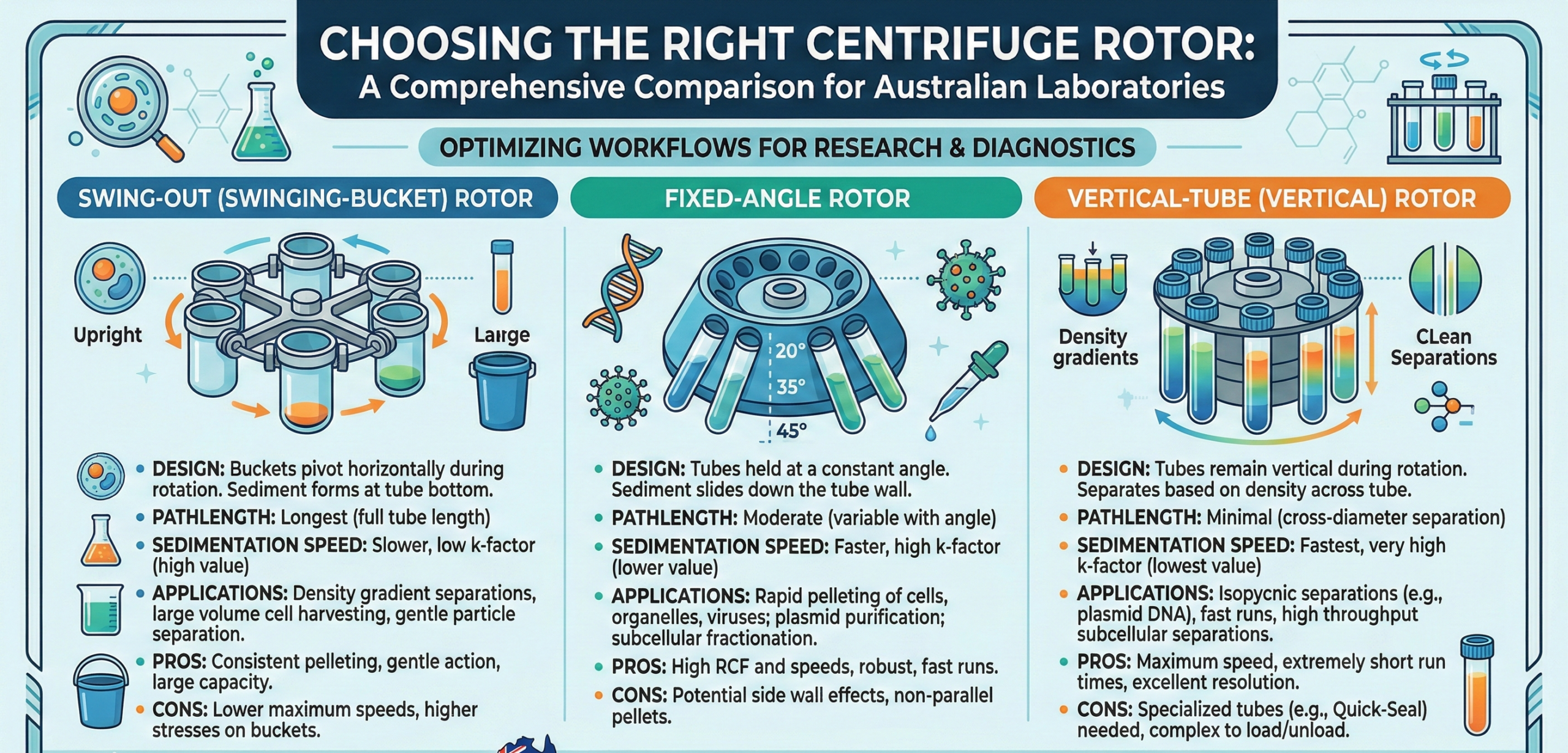
Choosing the Right Centrifuge Rotor: A Comprehensive Comparison for Australian Laboratories

Choosing the correct rotor is critical for centrifuge efficiency, safety, and the quality of sample separation. With various rotor types available, understanding their...
No Comments
8 Sep

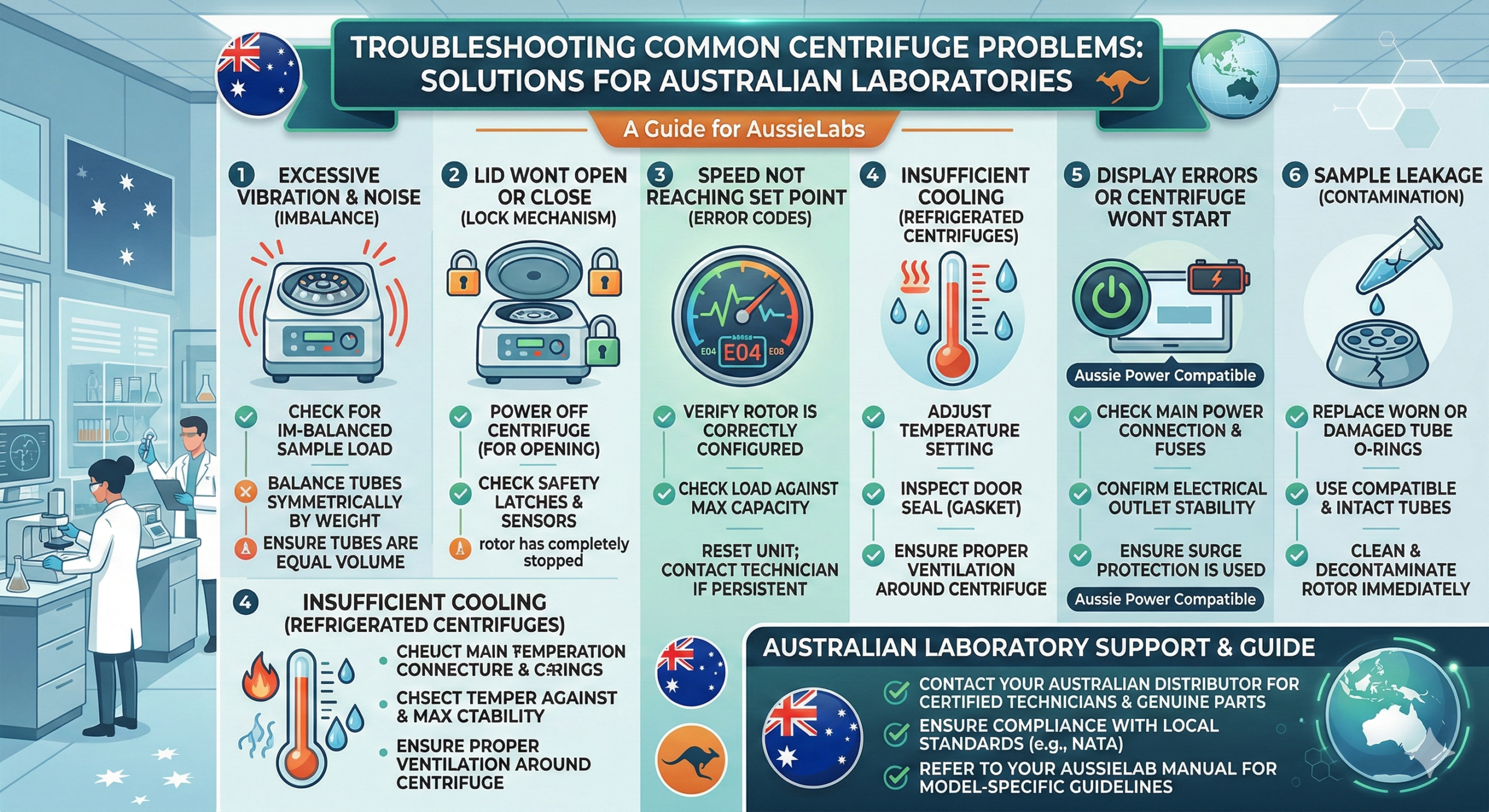
Troubleshooting Common Centrifuge Problems: Solutions for Australian Laboratories

Centrifuges are critical in laboratories, but like all complex equipment, they can experience operational issues that affect performance...
No Comments
8 Sep

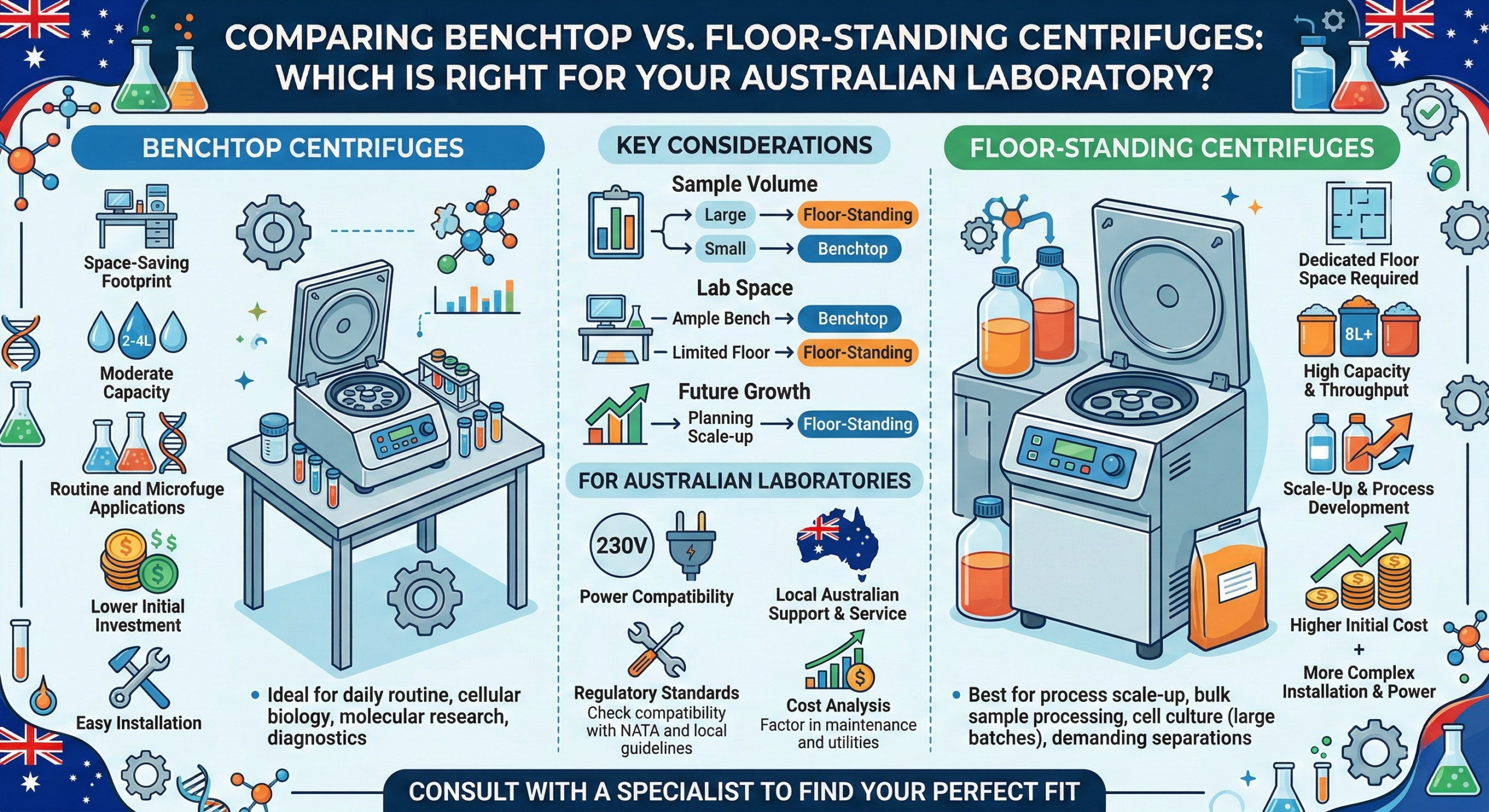
Comparing Benchtop vs. Floor-Standing Centrifuges: Which Is Right for Your Australian Laboratory?

Choosing between a benchtop and a floor-standing centrifuge is a common decision faced by Australian laboratories aiming to...
No Comments
8 Sep

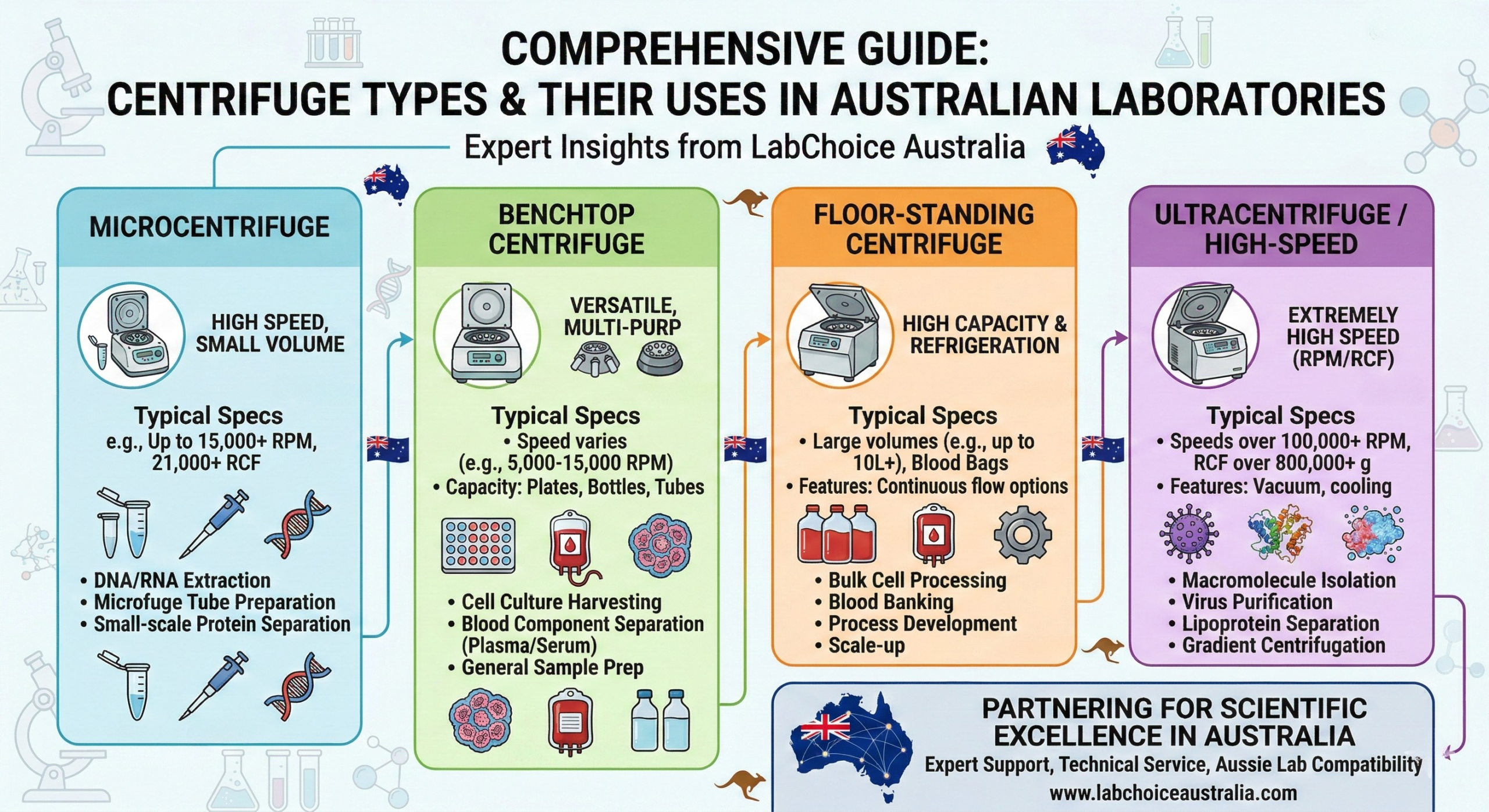
Centrifuge Types and Their Uses in Australian Laboratories: A Comprehensive Guide by LabChoice Australia

Centrifuges are indispensable in modern Australian laboratories, enabling efficient separation of biological samples, chemical mixtures, and industrial materials....
No Comments
8 Sep

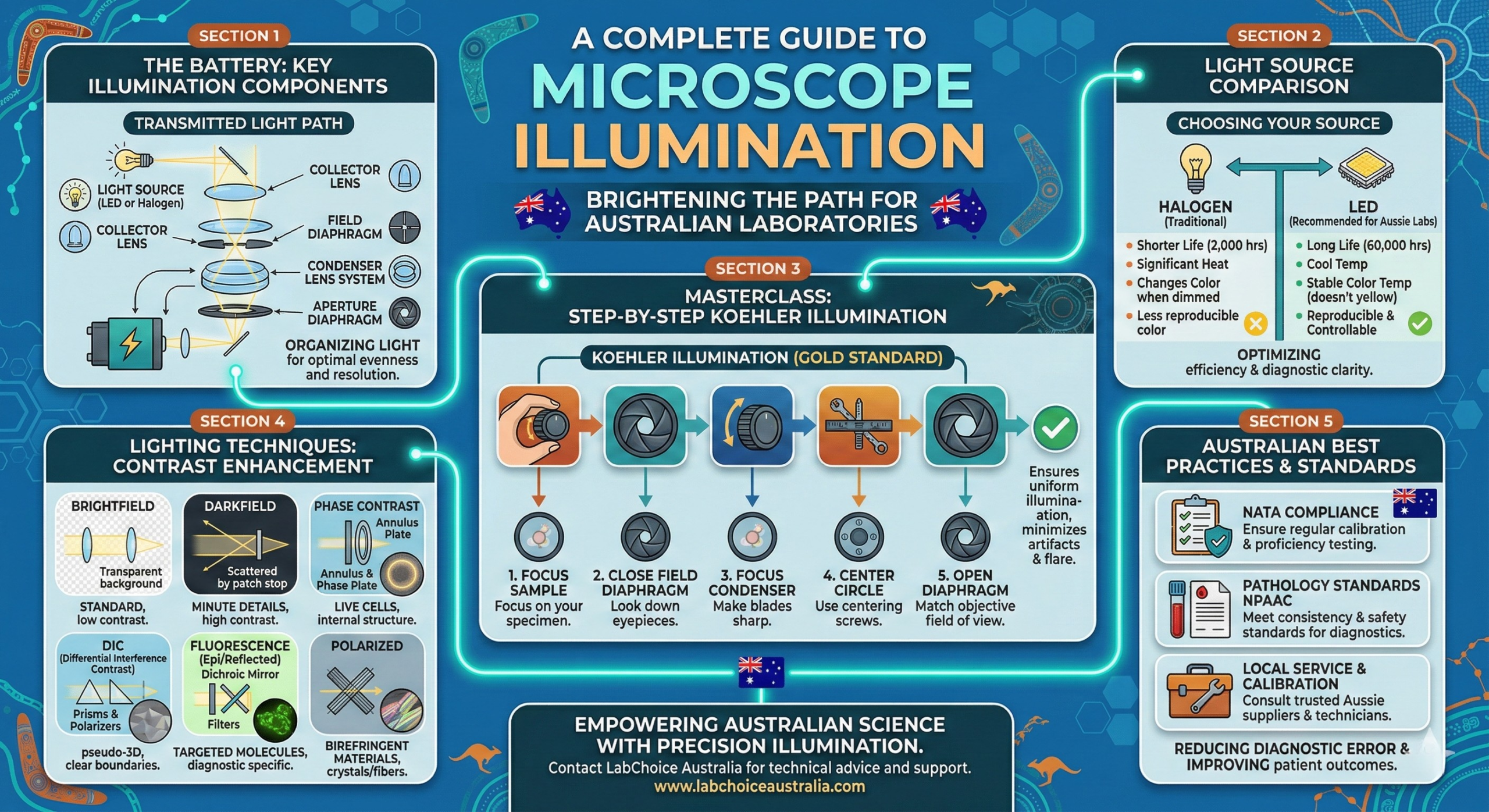
A Complete Guide to Microscope Illumination: Brightening the Path for Australian Laboratories

Proper illumination is fundamental to obtaining crisp, high-contrast images in microscopy. In Australian laboratories, selecting and adjusting the...
No Comments
8 Sep

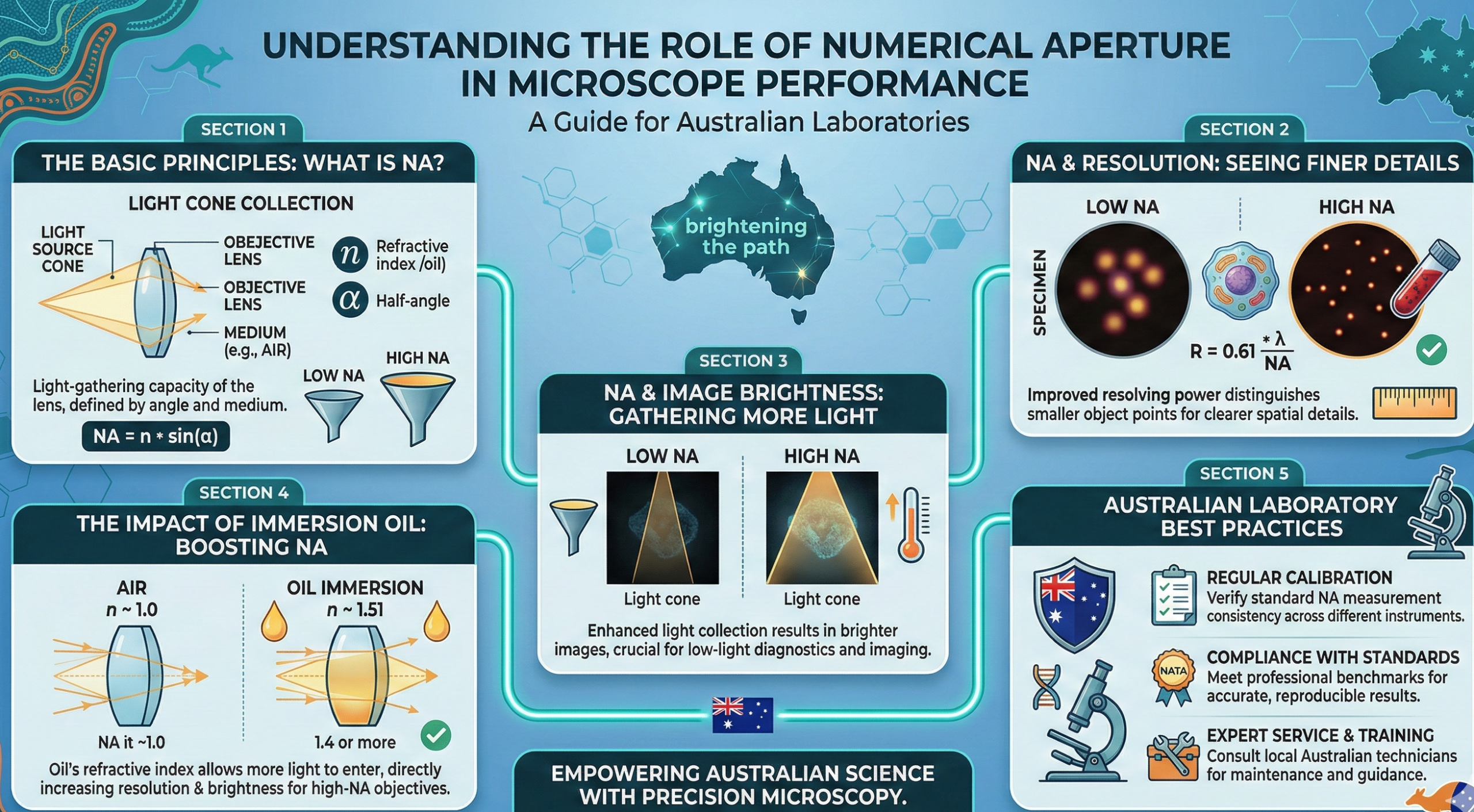
Understanding the Role of Numerical Aperture in Microscope Performance: A Guide for Australian Laboratories

Numerical Aperture (NA) is a vital optical specification that significantly impacts the resolution, brightness, and quality of images...
No Comments
8 Sep

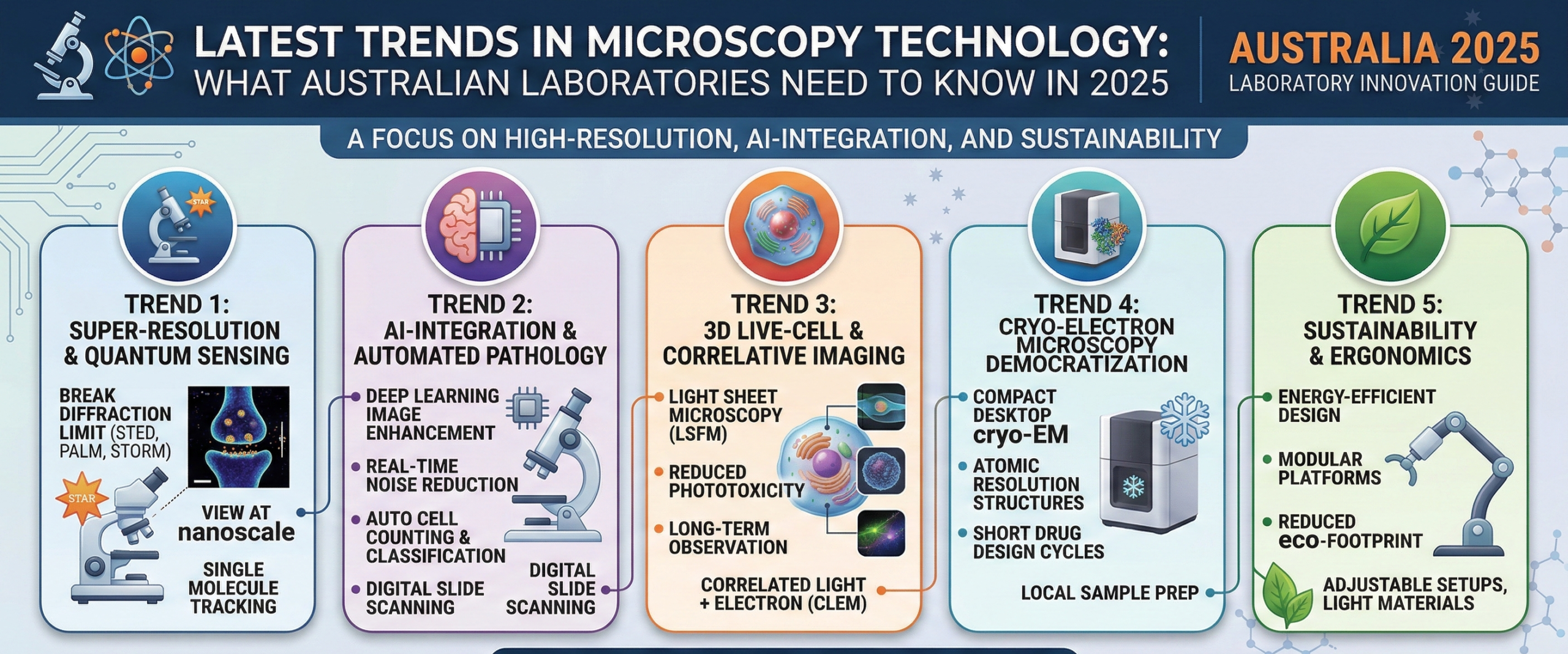
Latest Trends in Microscopy Technology: What Australian Laboratories Need to Know in 2025

Microscopy technology is evolving rapidly, reshaping how Australian laboratories conduct research, teaching, and quality control. Staying abreast of...
No Comments

Waste Segregation in Laboratories: Building a Recycling-Friendly Workflow

Waste management is one of the most overlooked sustainability practices in laboratories. From plastics and glass to solvents and sharps,...

Glass vs Plastic Pipettes: Which Supports Sustainable Laboratory Practices?

Pipettes are one of the most widely used tools in laboratories, from classrooms to advanced research facilities....

Green Procurement in Science: Choosing Sustainable Labware Suppliers

Procurement is more than just purchasing — it shapes the environmental footprint of laboratories. From glassware to consumables, choosing suppliers...

Laboratory Energy Efficiency: How Green Labs Reduce Carbon Footprints

Laboratories are among the most energy-intensive facilities in the world, consuming 3–5 times more energy per square metre than office...

Eco-Friendly Sterilisation: Autoclaving vs Chemical Disinfection in Green Labs

Sterilisation is essential in laboratories, ensuring that equipment, media, and consumables remain free of microorganisms. But how labs sterilise can...

How Australian Laboratories Can Cut Plastic Waste by 50% with BORO 3.3 Glassware

Plastic waste in laboratories is a growing environmental challenge. Research has shown that labs generate up to 10 times more...

Volumetric Flask Accuracy: Why Class A Matters in Standard Solution Preparation

When precision matters, few pieces of glassware are as important as the volumetric flask. Designed for preparing exact solution concentrations,...

Laboratory Safety Glassware: Why BORO 3.3 is Essential Over Soda-Lime

Not all laboratory glassware is created equal. While soda-lime glass is common in household and industrial products, it is unsuitable...

Beaker Sets for Schools: What Australian Science Teachers Should Know

Beakers are one of the first pieces of glassware students encounter in science education. They are used for mixing,...

Desiccator Maintenance: How to Extend the Life of Glass and Polypropylene Models

Desiccators are vital for protecting hygroscopic chemicals, dried samples, and calibration weights from atmospheric moisture. Available in both glass and...

Conical Flasks (Erlenmeyer): Why They’re Still the Most Versatile Glassware in Science

Few glassware items are as versatile as the conical flask, also known as the Erlenmeyer flask. Its tapered body, narrow...

Filter Paper Selection Guide: Grades, Pore Sizes, and Best Practices

Filtration is one of the most common techniques in laboratories, from chemistry and microbiology to food testing and water analysis....