9 Sep

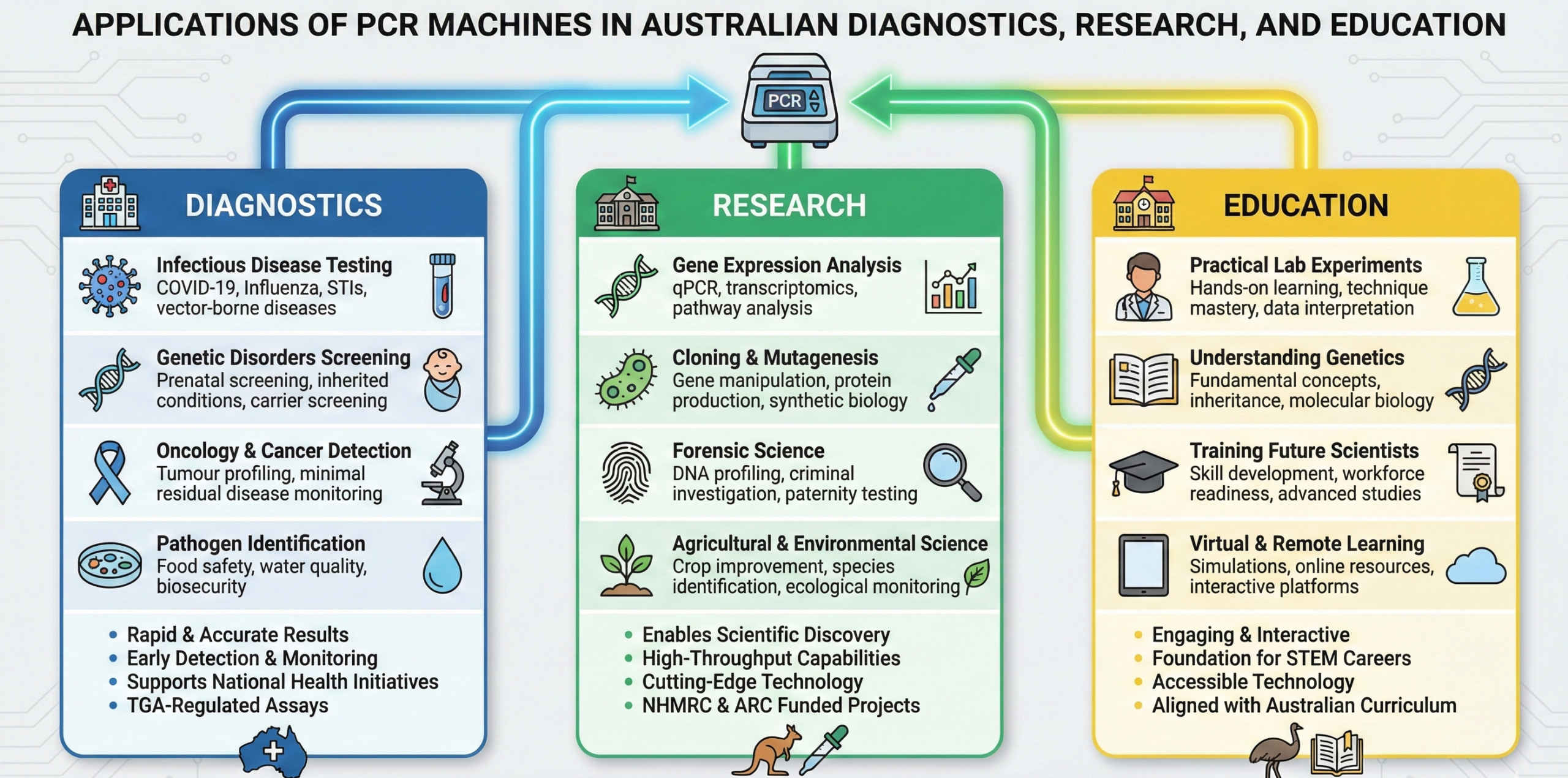
Applications of PCR Machines in Australian Diagnostics, Research, and Education

Polymerase Chain Reaction (PCR) has transformed science and medicine by enabling the rapid amplification of DNA. In Australia,...
No Comments
9 Sep

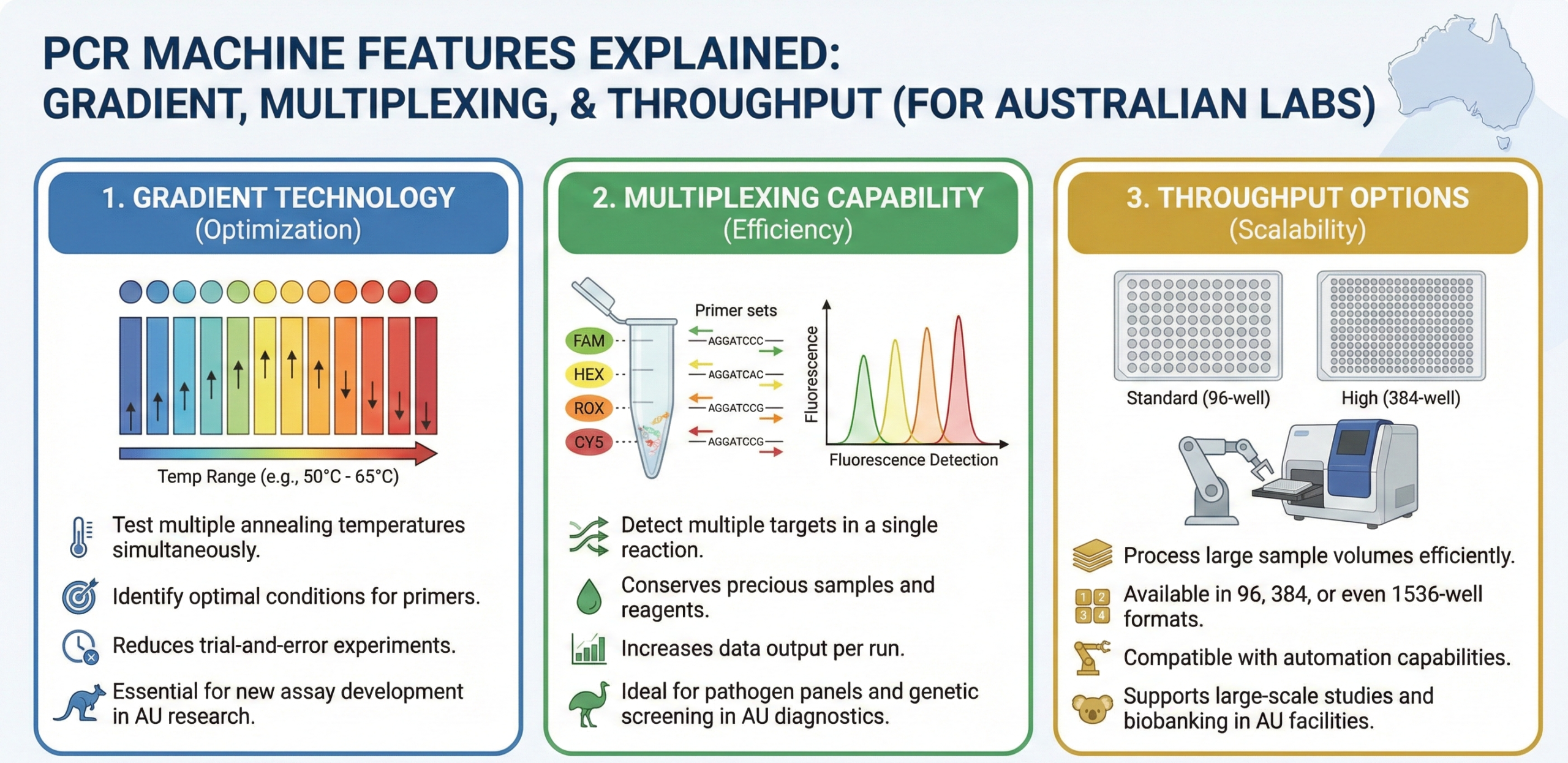
PCR Machine Features Explained: Gradient, Multiplexing, and Throughput for Australian Labs

The performance of a PCR machine depends not only on its build quality but also on the features...
No Comments
9 Sep

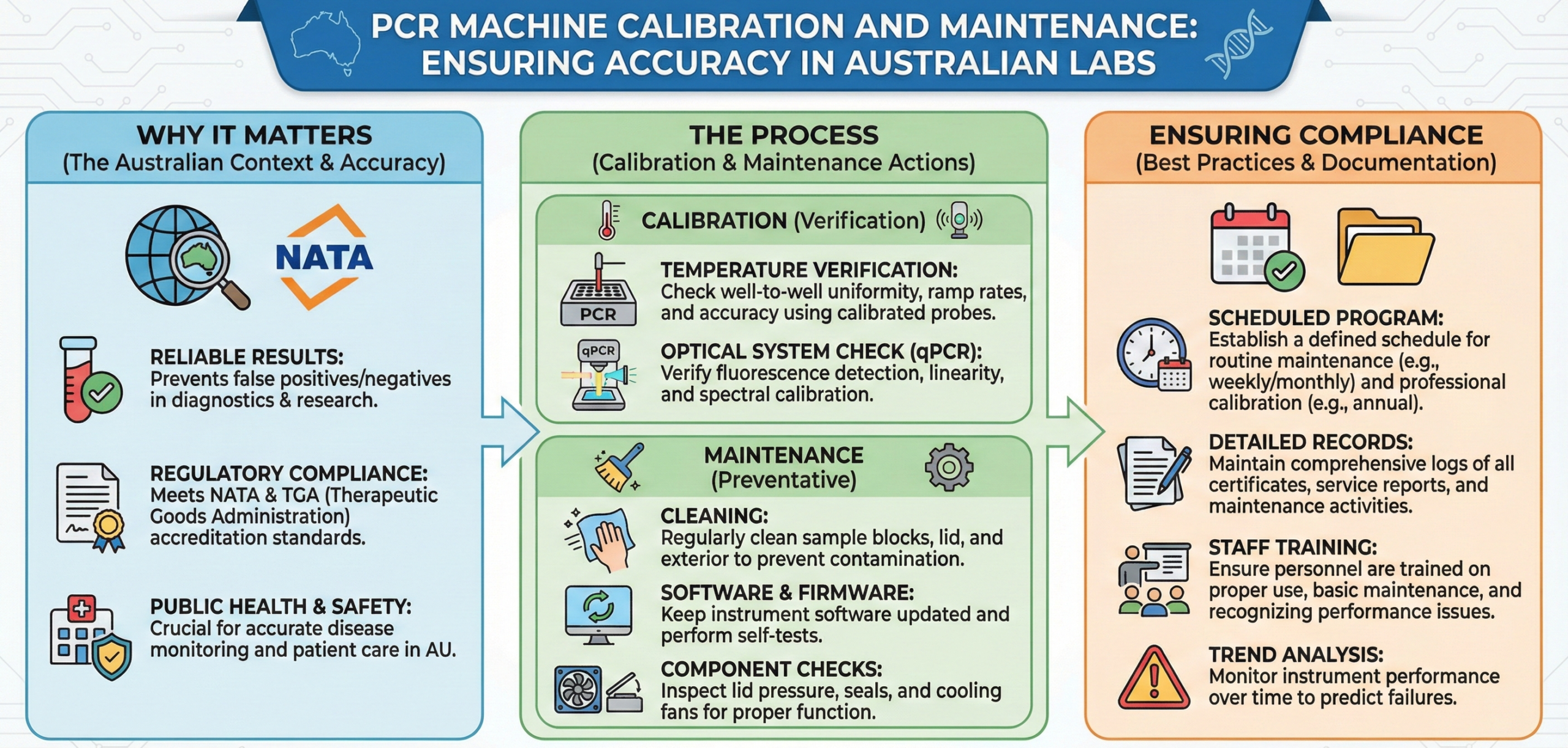
PCR Machine Calibration and Maintenance: Ensuring Accuracy in Australian Labs

PCR (Polymerase Chain Reaction) is central to molecular diagnostics, genetics, and quality control testing. Yet even the most...
No Comments
9 Sep

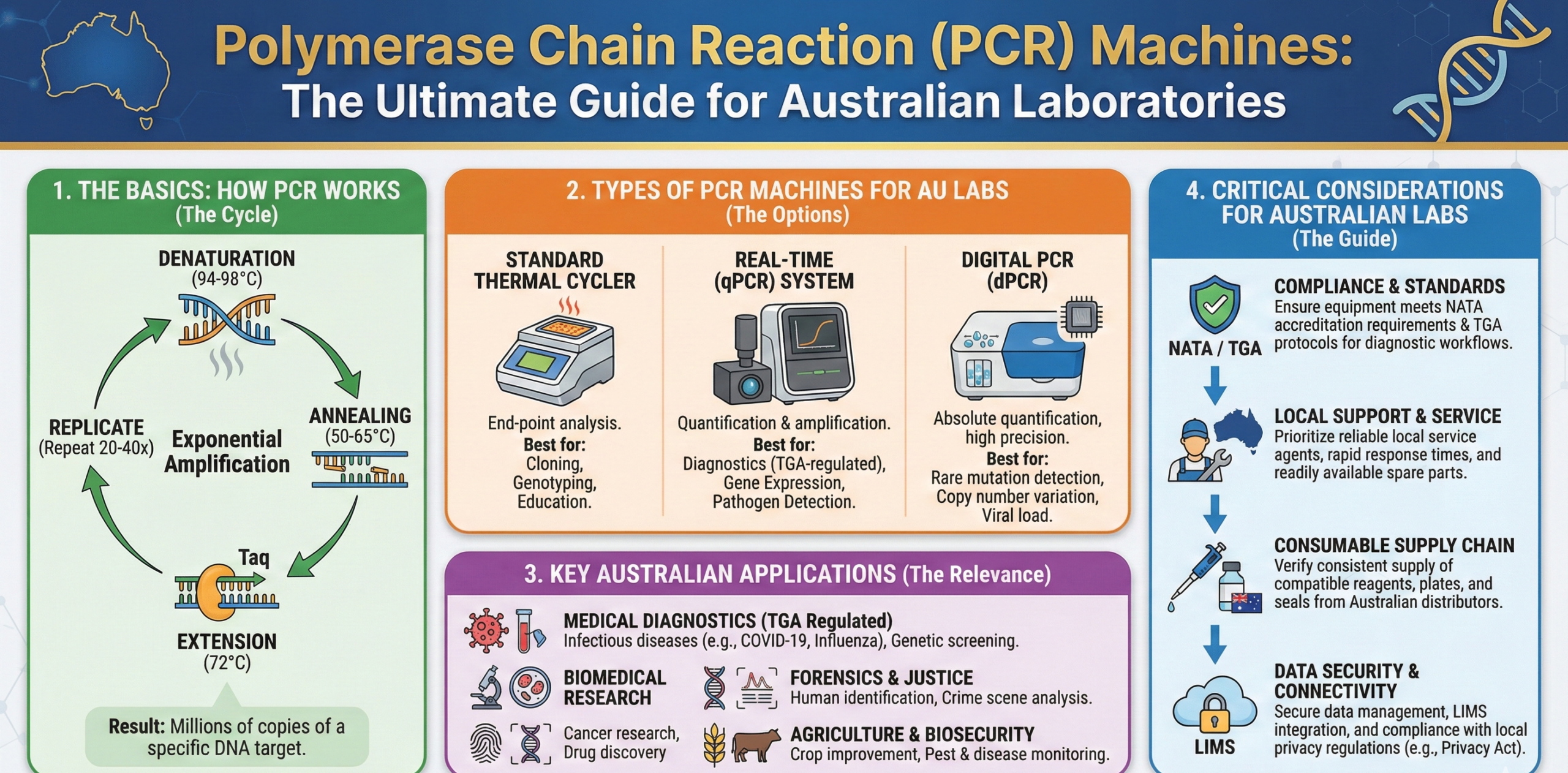
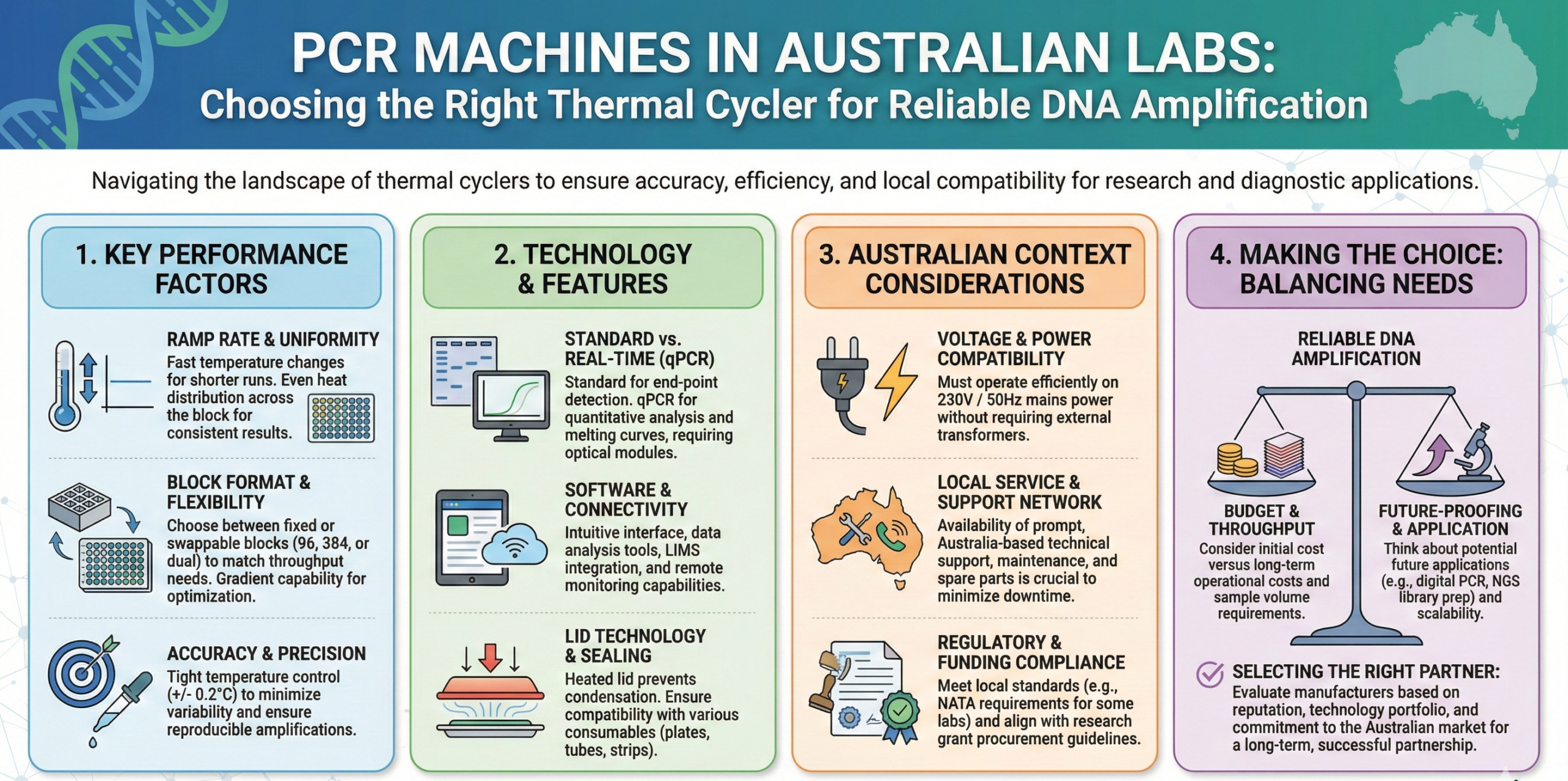
Polymerase Chain Reaction (PCR) Machines: The Ultimate Guide for Australian Laboratories

PCR machines rank among the most transformative tools in molecular biology, revolutionizing research, diagnostics, and biotechnology worldwide. For...
No Comments
9 Sep

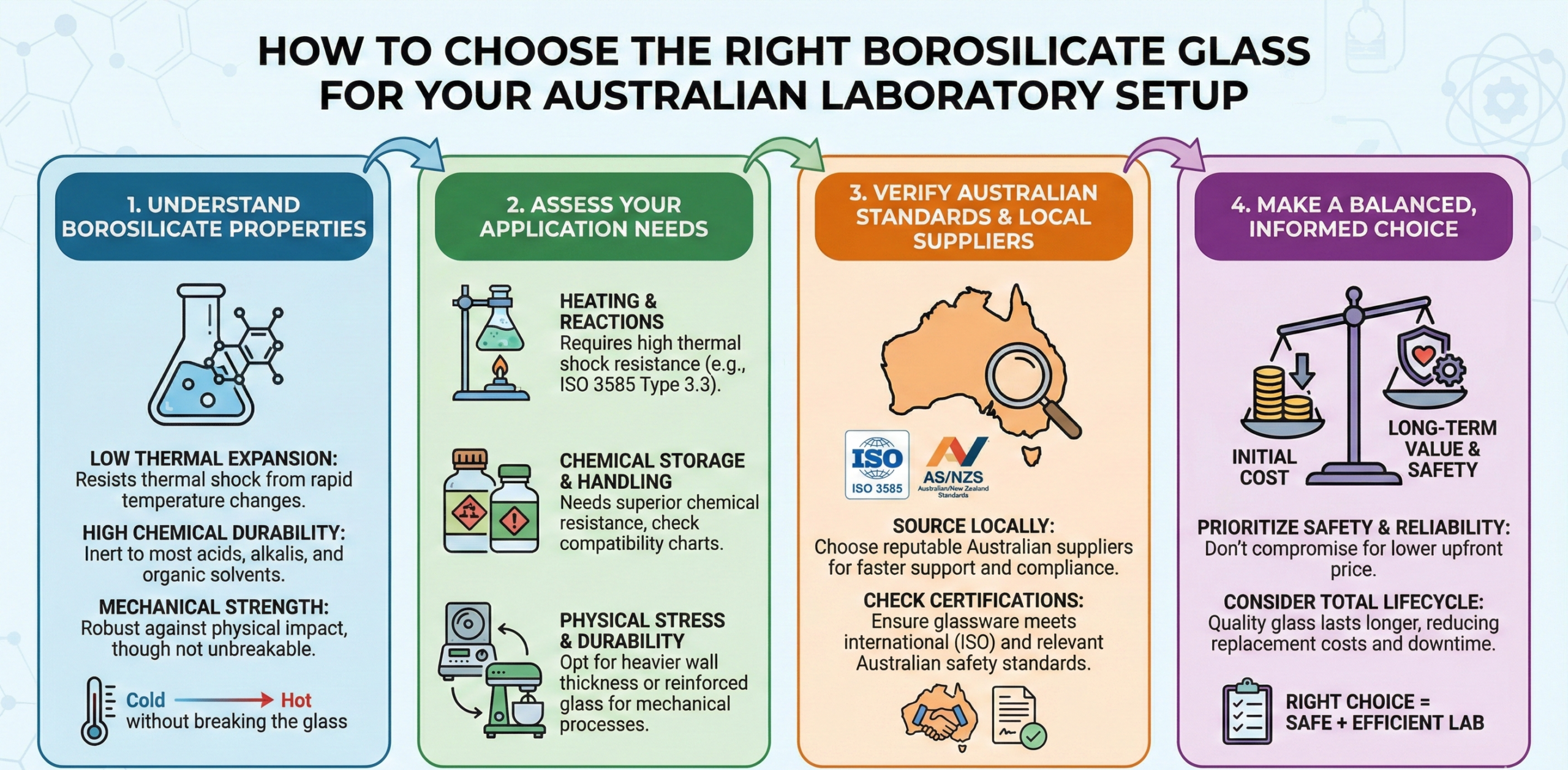
PCR Machines in Australian Labs: Choosing the Right Thermal Cycler for Reliable DNA Amplification

Polymerase Chain Reaction (PCR) is the cornerstone of molecular biology, enabling scientists to amplify DNA with precision. For...
No Comments
8 Sep

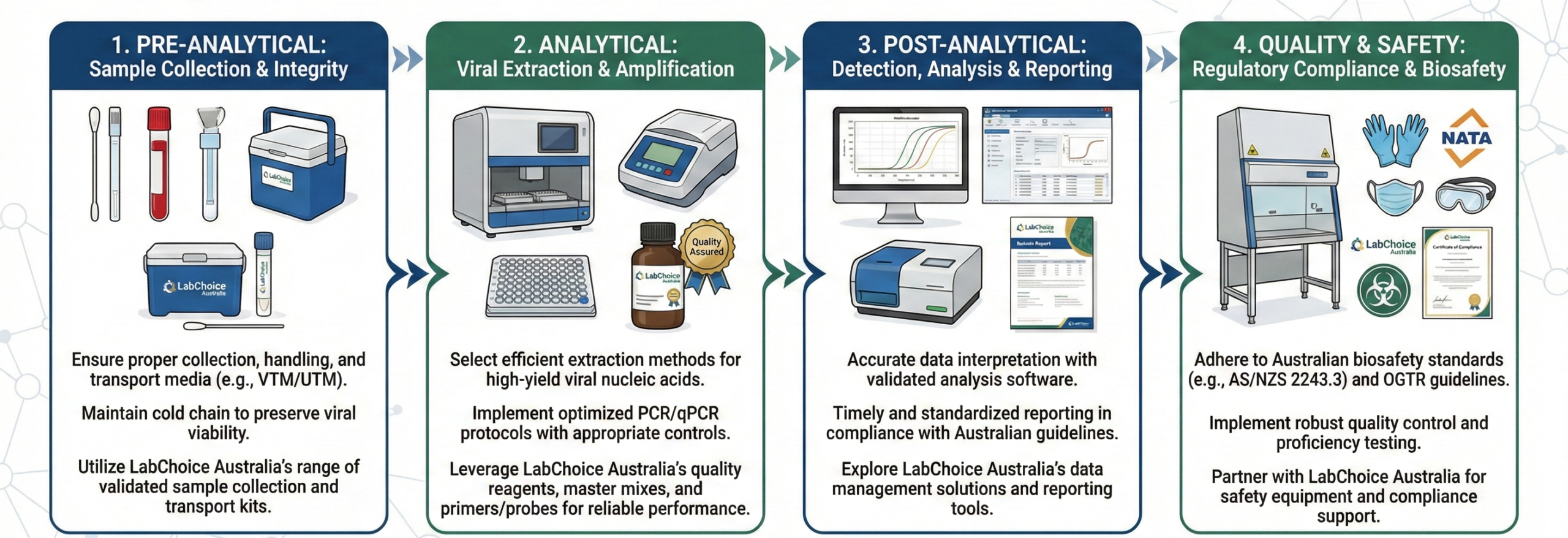
How to Choose the Right Borosilicate Glass for Your Australian Laboratory Setup

Choosing the right borosilicate glass for your laboratory setup in Australia might seem overwhelming, yet it's essential for...
No Comments
8 Sep

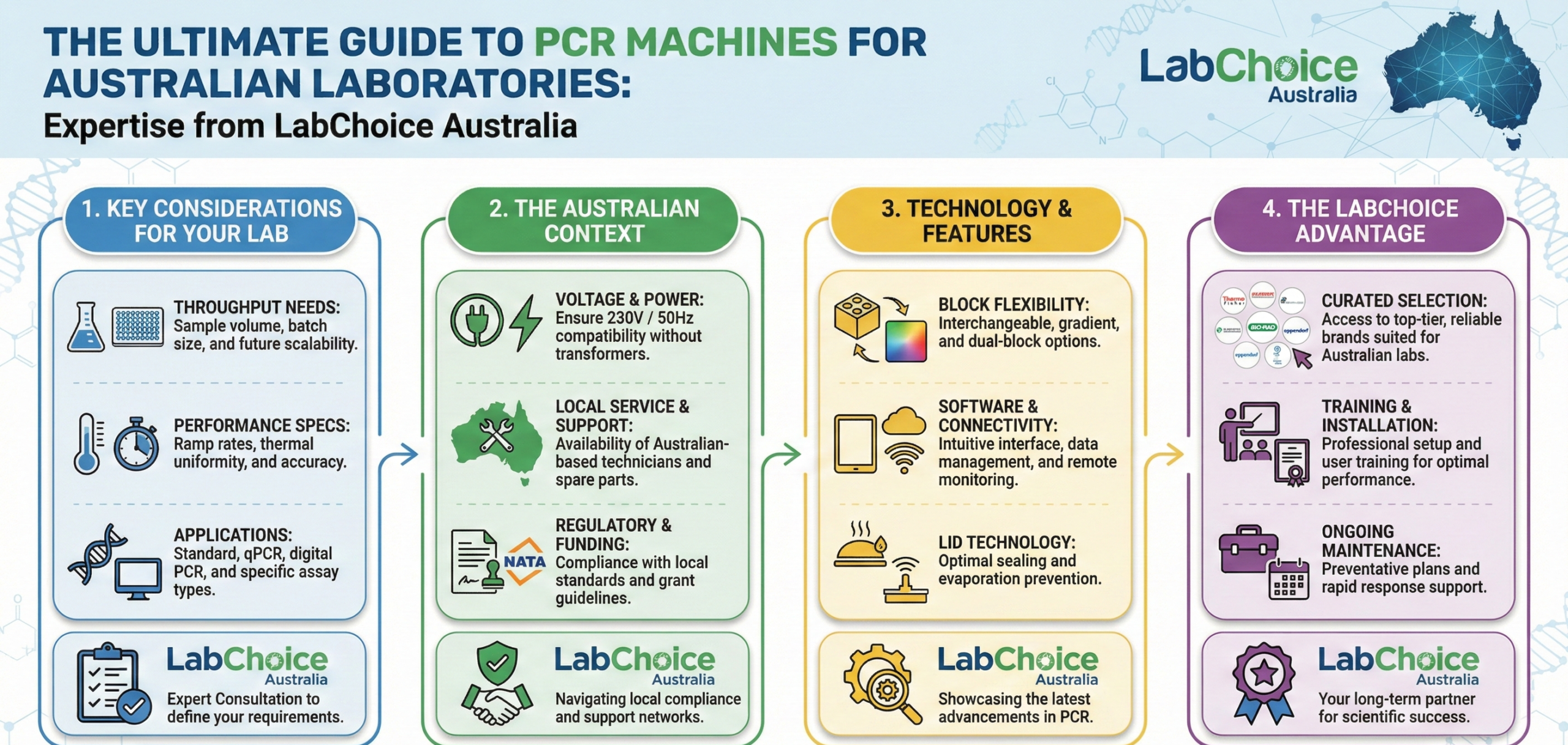
Guide to Viral Assays in Australian Laboratories: Best Practices with LabChoice Australia

Viral assays are fundamental tools for detecting, quantifying, and studying viruses in clinical, research, and environmental laboratories across Australia. Whether for diagnostic testing, vaccine...
No Comments
8 Sep

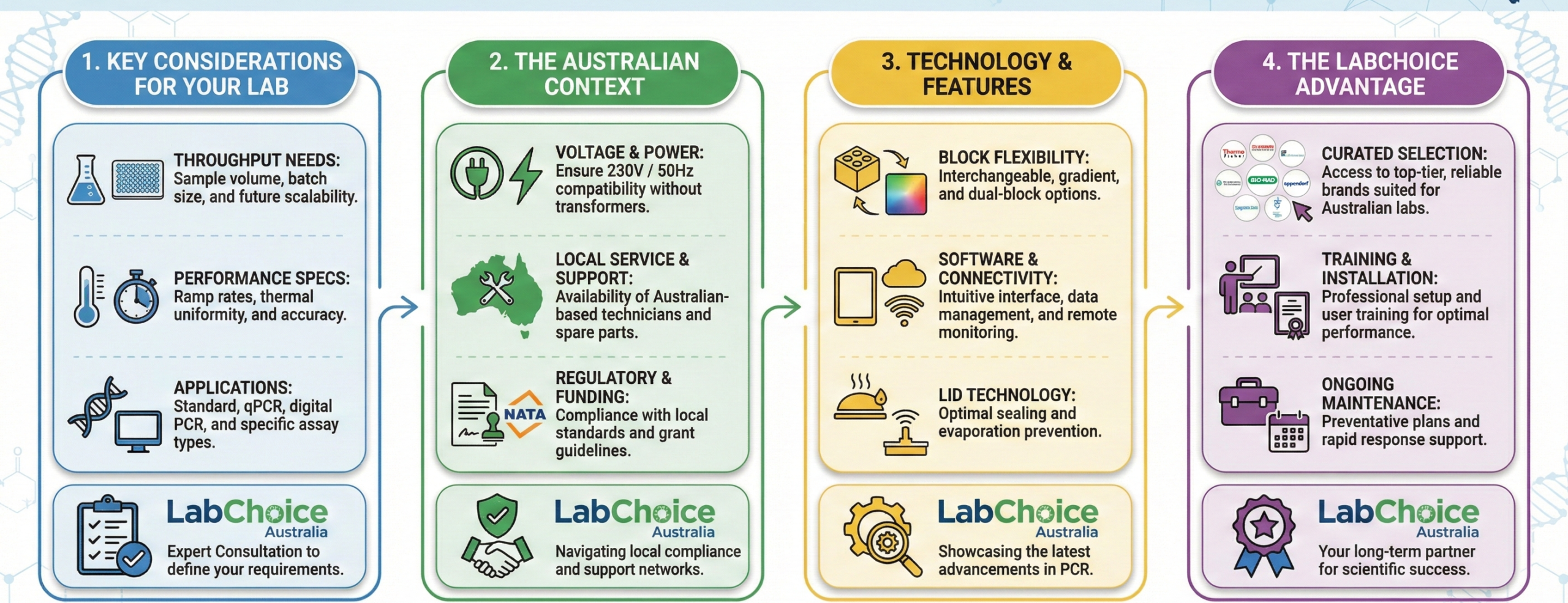
The Ultimate Guide to PCR Machines for Australian Laboratories: Expertise from LabChoice Australia

Polymerase Chain Reaction (PCR) machines have revolutionized molecular biology, diagnostics, and research by enabling rapid amplification of DNA...
No Comments
8 Sep

Comparing Refrigerated vs. Non-Refrigerated Centrifuges: What Australian Laboratories Need to Know

Selecting between refrigerated and non-refrigerated centrifuges is a key decision that impacts sample integrity, operational efficiency, and budget...
No Comments
8 Sep

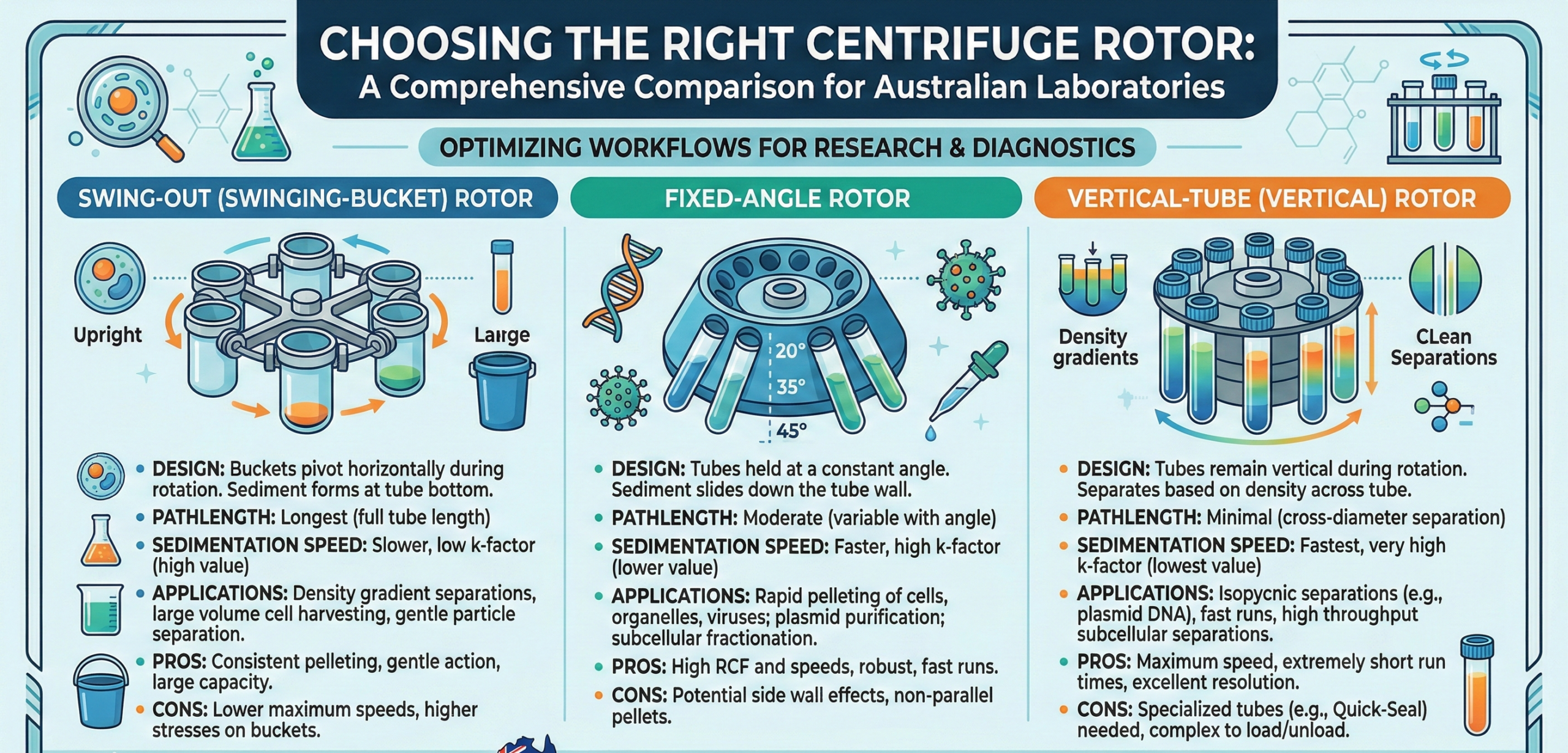
Choosing the Right Centrifuge Rotor: A Comprehensive Comparison for Australian Laboratories

Choosing the correct rotor is critical for centrifuge efficiency, safety, and the quality of sample separation. With various rotor types available, understanding their...
No Comments

Dropping Funnels in Titrations: Accuracy and Safety Considerations

Dropping funnels are essential glassware in chemical laboratories, enabling controlled addition of liquids during titrations, extractions, and reactions. Constructed from...

Buchner Flasks and Filtration: Essential Guide for Australian Laboratories

Buchner flasks, also known as vacuum flasks or filter flasks, are core glassware in laboratory filtration systems. Constructed from thick-walled...

Reagent Bottles: Amber vs Clear Glass and When to Use Each

Reagent bottles are essential for safe storage and handling of chemicals in laboratories. Made from borosilicate glass (BORO 3.3), they...

Volumetric Flasks vs Measuring Cylinders: When Precision Matters Most

In every laboratory, accurate measurement of liquids is fundamental. While both volumetric flasks and measuring cylinders are made from borosilicate...

Separatory Funnels in Organic Chemistry: Choosing PTFE vs Glass Stopcocks

Separatory funnels are indispensable in organic chemistry, enabling liquid–liquid extractions with accuracy and safety. They are commonly made from borosilicate...

Borosilicate Measuring Cylinders: Accuracy, Class Standards, and Lab Applications

Measuring cylinders are fundamental glassware in every laboratory, ensuring accurate measurement of liquids across education, research, and industry. Made from...

Circular Economy in Science: Designing Labs for Reuse and Recycling

The concept of a circular economy is reshaping industries worldwide, and laboratories are no exception. Instead of relying on a...

Reducing Plastic Waste in Laboratories: Strategies for Sustainable Science

Laboratories worldwide are major contributors to plastic waste, with research showing they generate up to ten times more plastic waste...

Green Lab Certification: What Australian Laboratories Need to Know

As sustainability becomes a global priority, laboratories are being recognised not just for their research but also for their environmental...

Carbon Neutral Labs: How Universities Are Building Net-Zero Science Facilities

As Australia pushes towards net-zero emissions by 2050, universities and research institutions are leading the way with carbon neutral laboratories....

Water Conservation in Labs: Reducing Waste in Cooling and Washing

Water is one of the most overused resources in laboratories. From cooling condensers in chemistry experiments to washing glassware and...

Green Chemistry in Education: Teaching Sustainability in Australian Schools

Science education is no longer just about teaching reactions and formulas — it’s also about instilling sustainable practices. Green chemistry,...