8 Mar

How to Choose the Right Laboratory Apparatus for Everyday Tasks

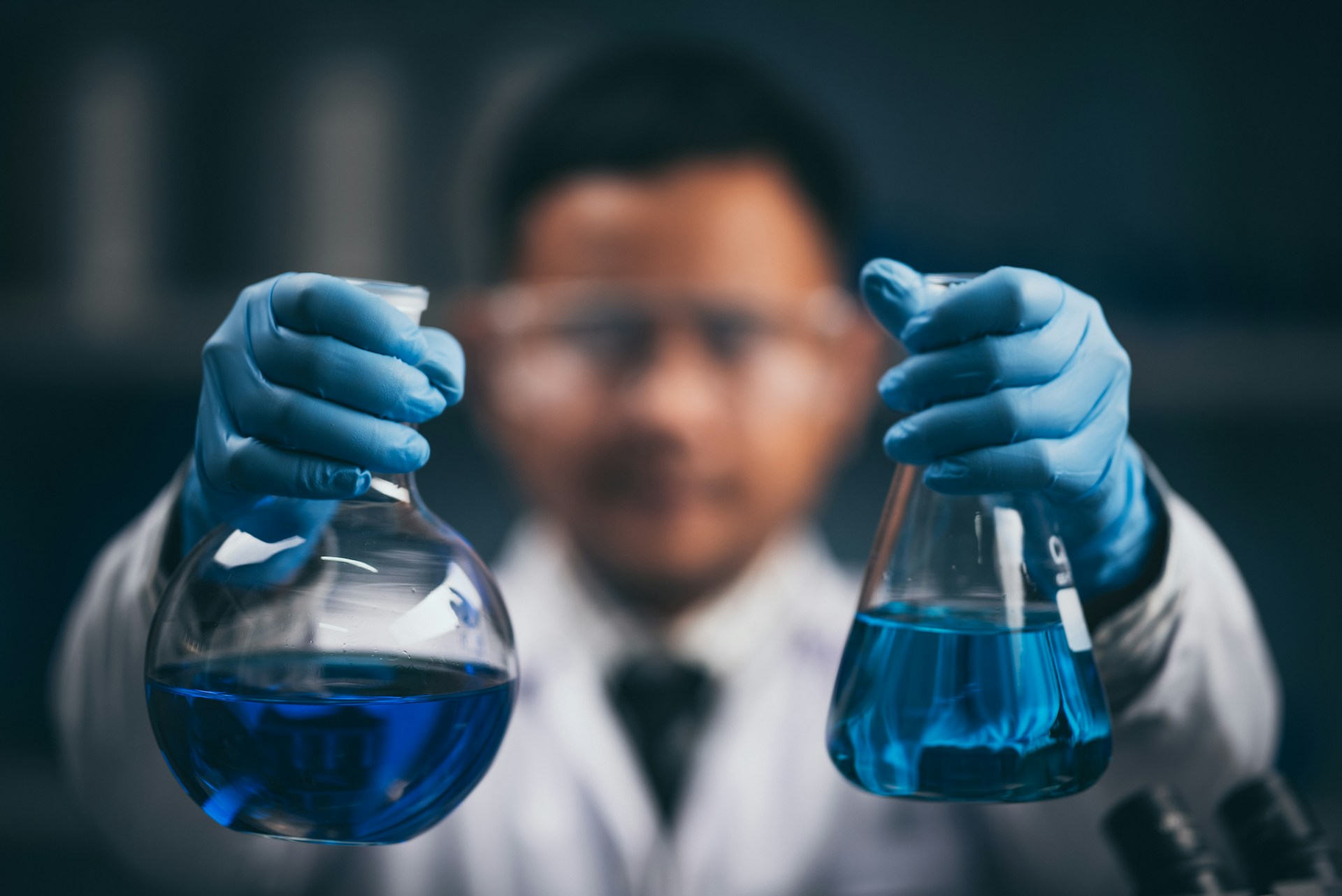
Getting everyday lab work done quickly and safely depends a lot on the gear we use. When test...
Comments Off on How to Choose the Right Laboratory Apparatus for Everyday Tasks
5 Mar

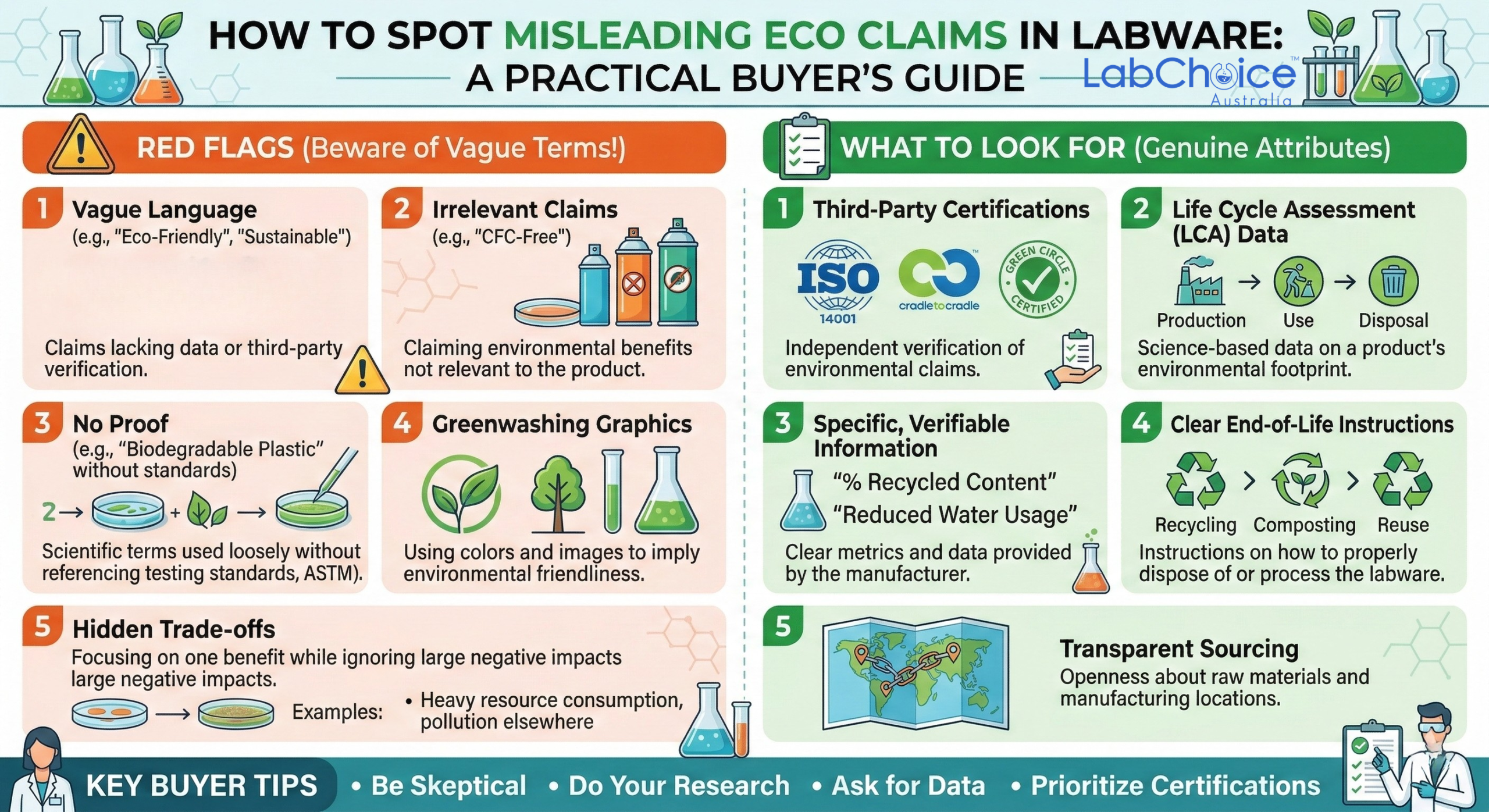
How to Spot Misleading Eco Claims in Labware: A Practical Buyer Guide (AU)

“Sustainable”, “eco-friendly”, and “green” labware claims are everywhere, but many are vague, unverified, or designed to sound better...
Comments Off on How to Spot Misleading Eco Claims in Labware: A Practical Buyer Guide (AU)
3 Mar

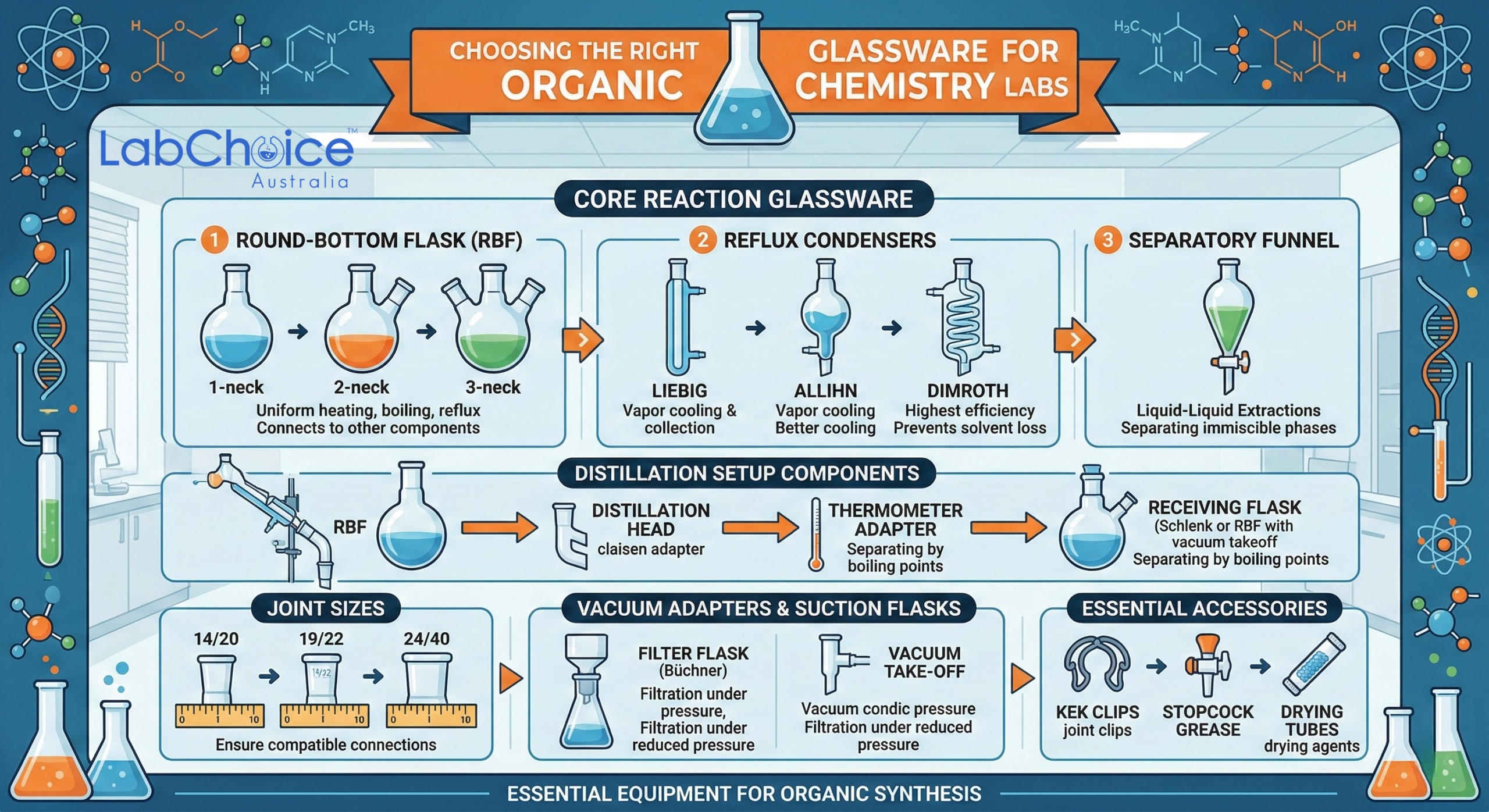
Choosing the Right Glassware for Organic Chemistry Labs (Australia)

Organic chemistry labs depend on clean reactions, controlled heating, reliable seals, and repeatable workups. The right glassware does...
Comments Off on Choosing the Right Glassware for Organic Chemistry Labs (Australia)
3 Mar

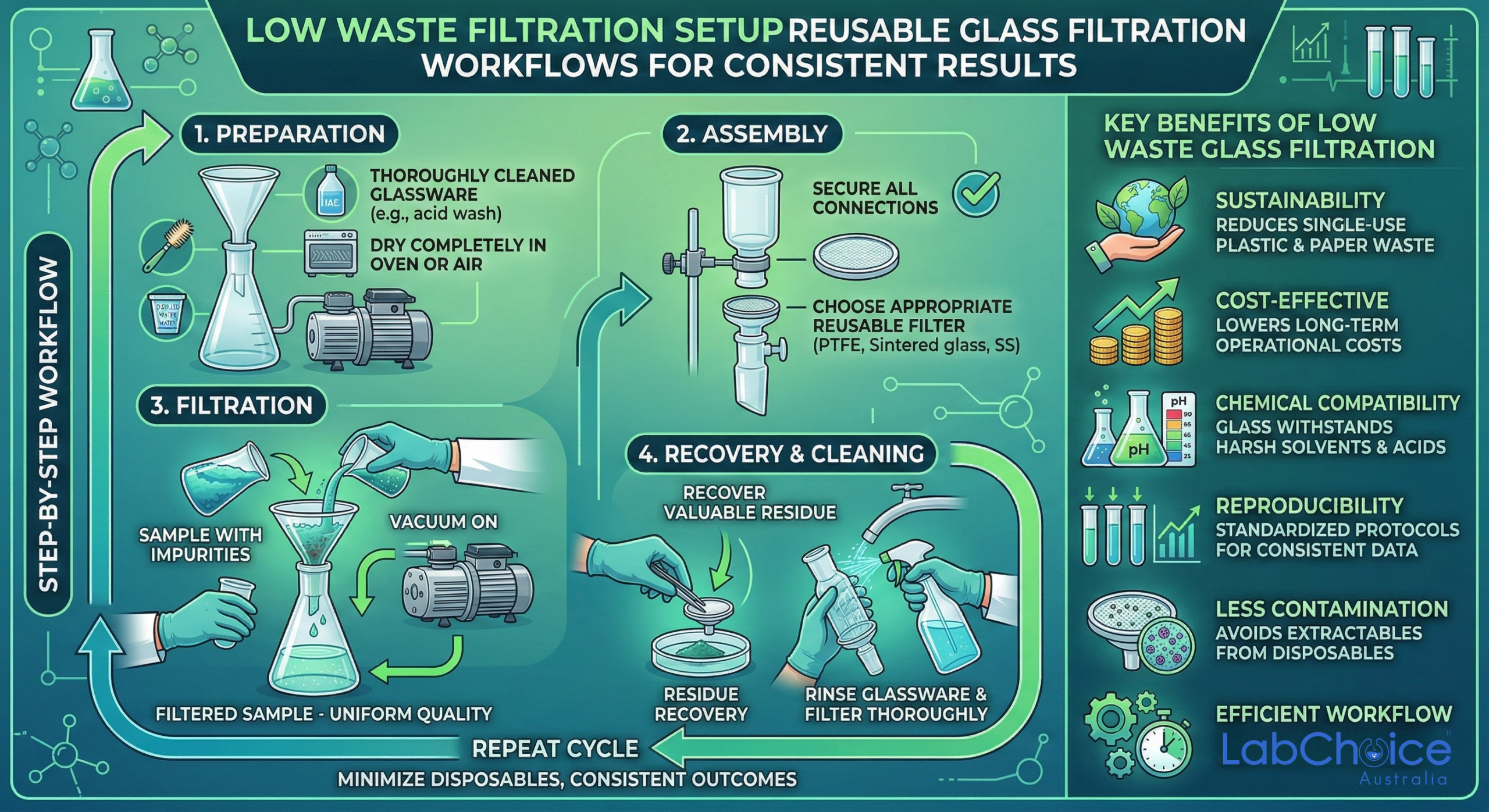
Low Waste Filtration Setup: Reusable Glass Filtration Workflows for Consistent Results (AU)

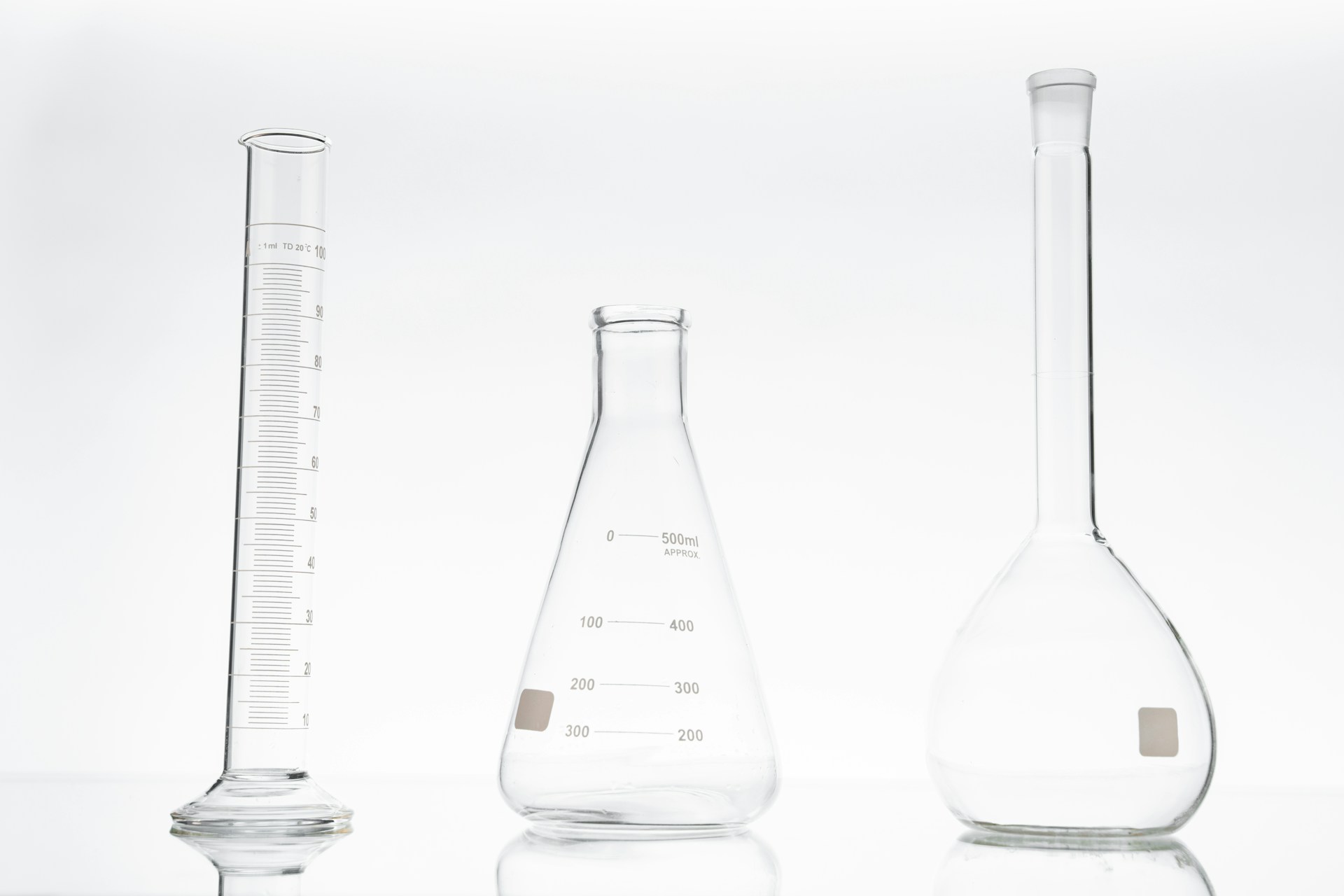
Filtration is one of the highest-frequency tasks in wet chemistry, materials, and teaching labs. It is also one...
Comments Off on Low Waste Filtration Setup: Reusable Glass Filtration Workflows for Consistent Results (AU)
1 Mar

What to Check Before Reordering Lab Supplies in Australia

Reordering lab supplies in Australia might sound simple, but getting it right takes more than just checking what’s...
Comments Off on What to Check Before Reordering Lab Supplies in Australia
27 Feb

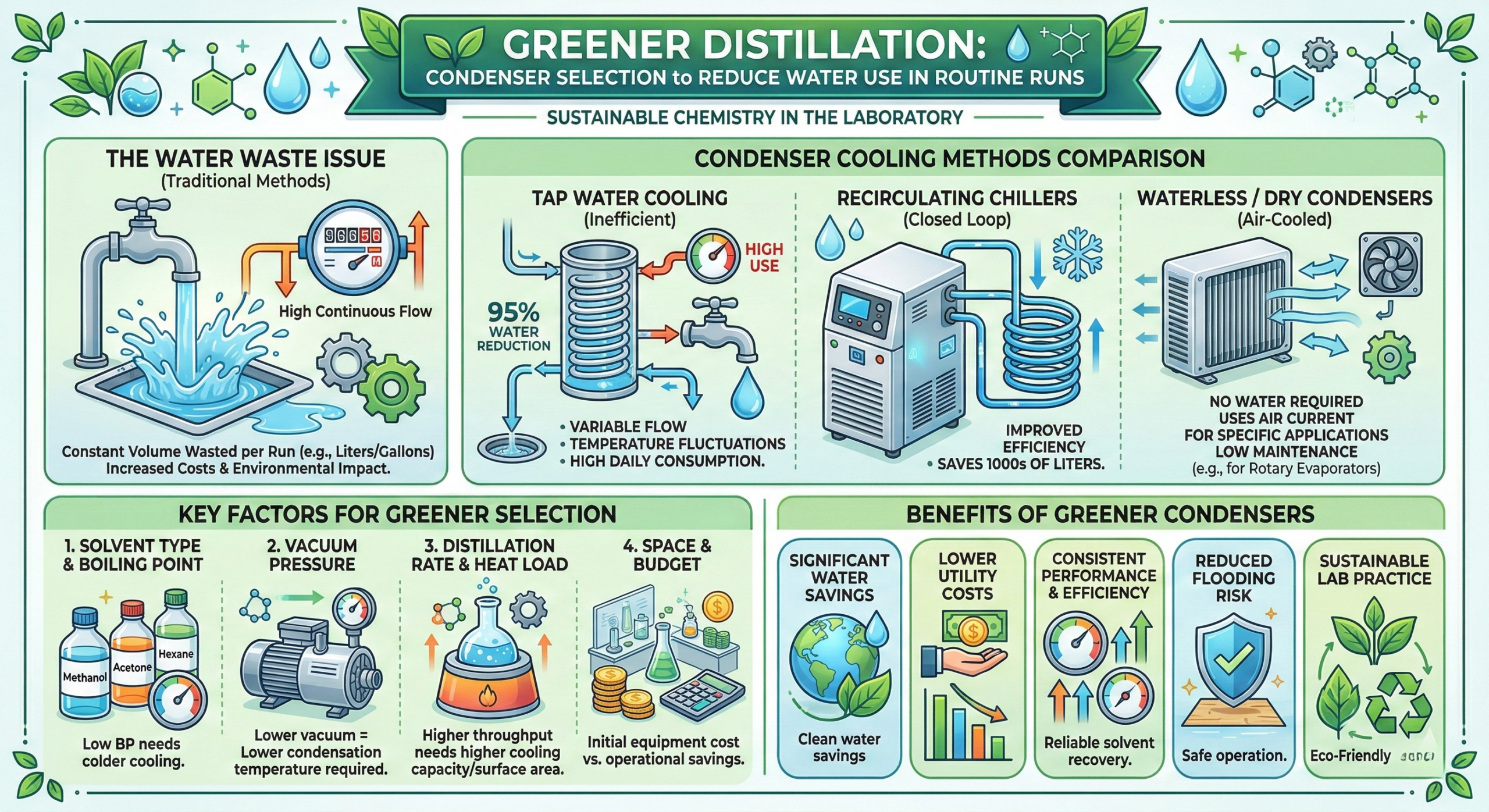
Greener Distillation: Condenser Selection to Reduce Water Use in Routine Runs

Routine distillation can quietly waste a lot of water, especially when condensers are run on continuous tap flow...
Comments Off on Greener Distillation: Condenser Selection to Reduce Water Use in Routine Runs
26 Feb

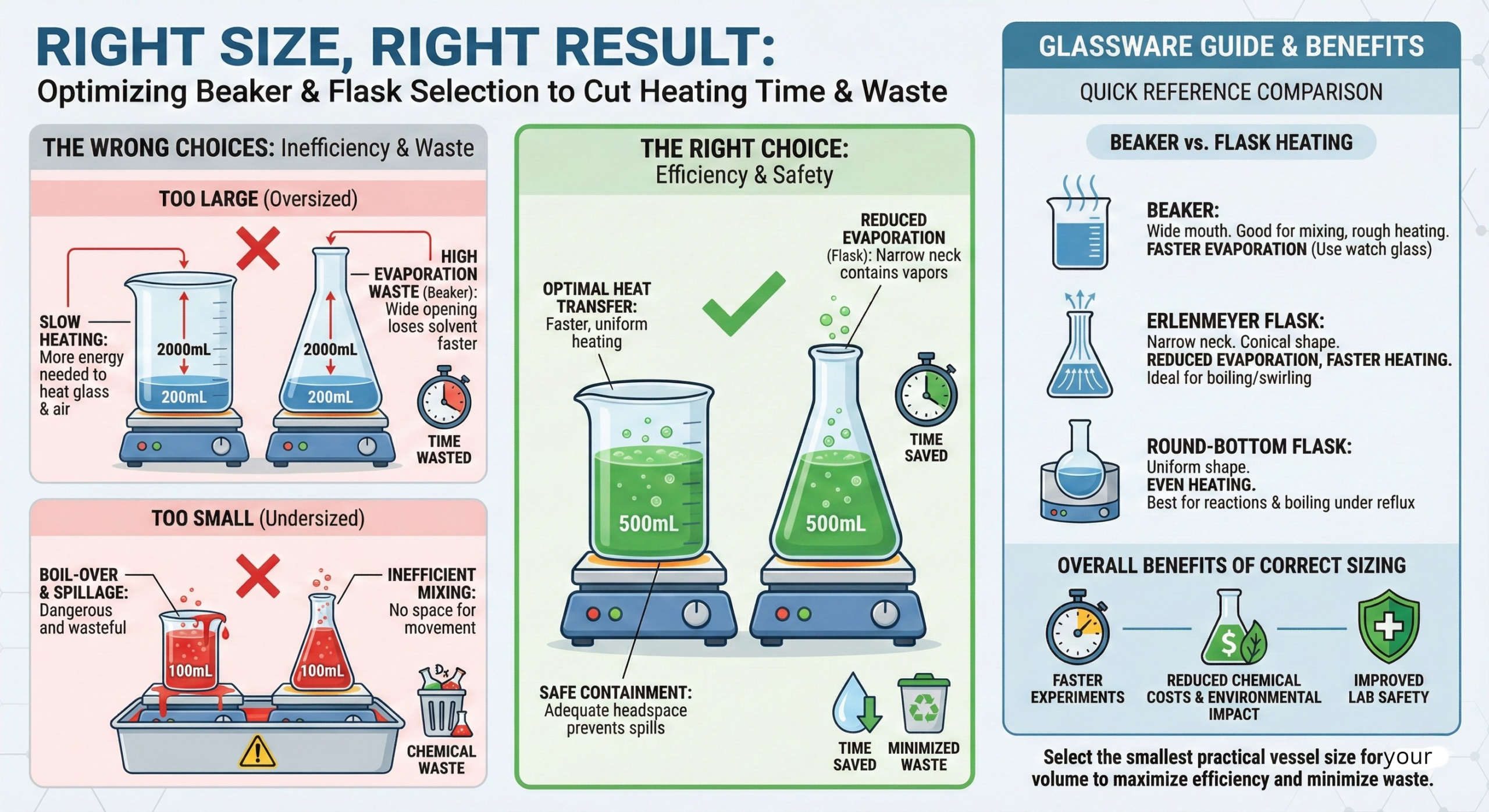
Right Size, Right Result: Choosing Beaker and Flask Sizes to Cut Heating Time and Waste

Choosing the correct beaker or flask size is one of the simplest ways to reduce heating...
Comments Off on Right Size, Right Result: Choosing Beaker and Flask Sizes to Cut Heating Time and Waste
25 Feb

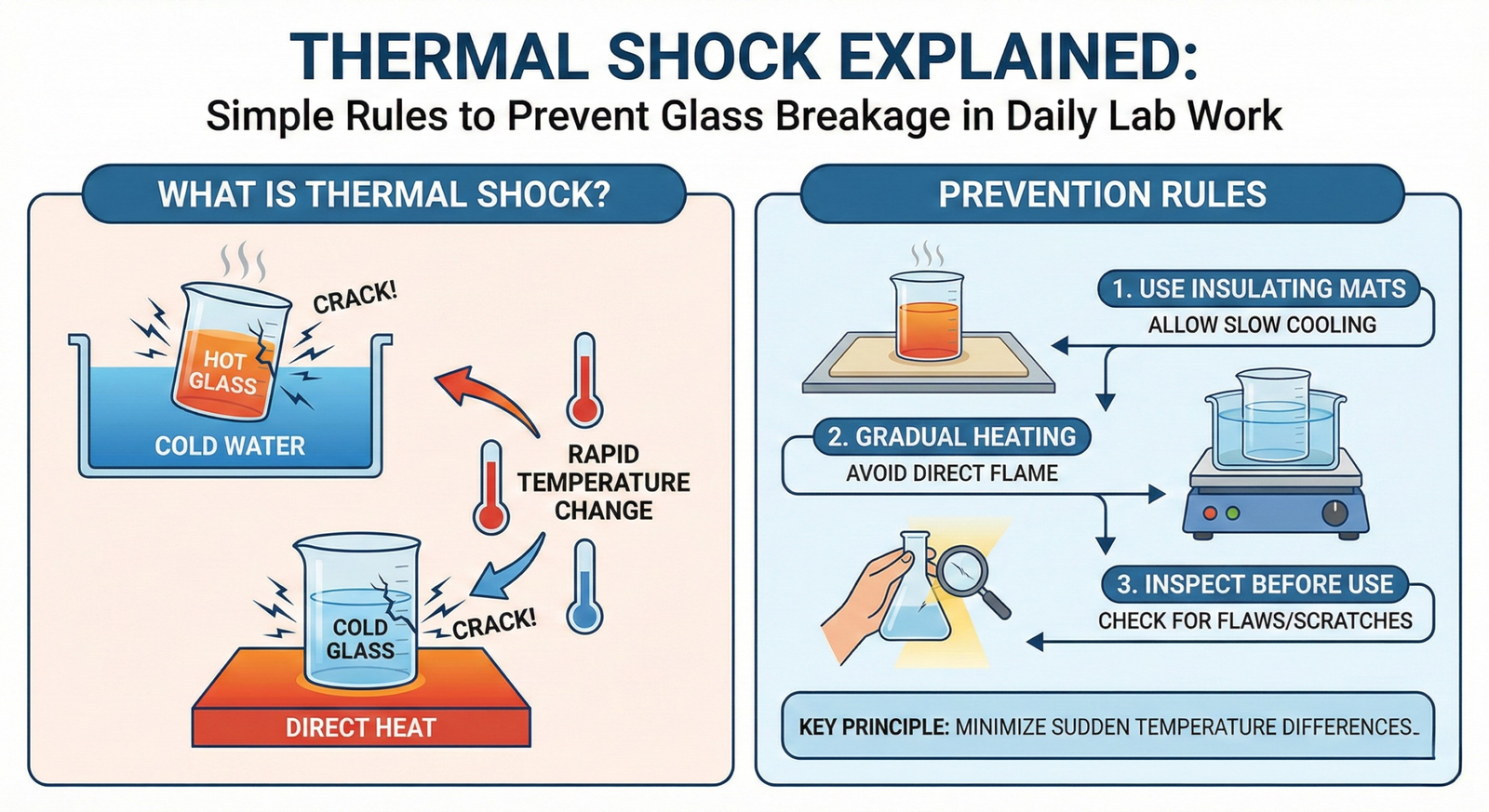
Thermal Shock Explained: Simple Rules to Prevent Glass Breakage in Daily Lab Work

Thermal Shock Explained Thermal shock is one of the most common reasons laboratory glassware breaks, even when the...
Comments Off on Thermal Shock Explained: Simple Rules to Prevent Glass Breakage in Daily Lab Work
24 Feb

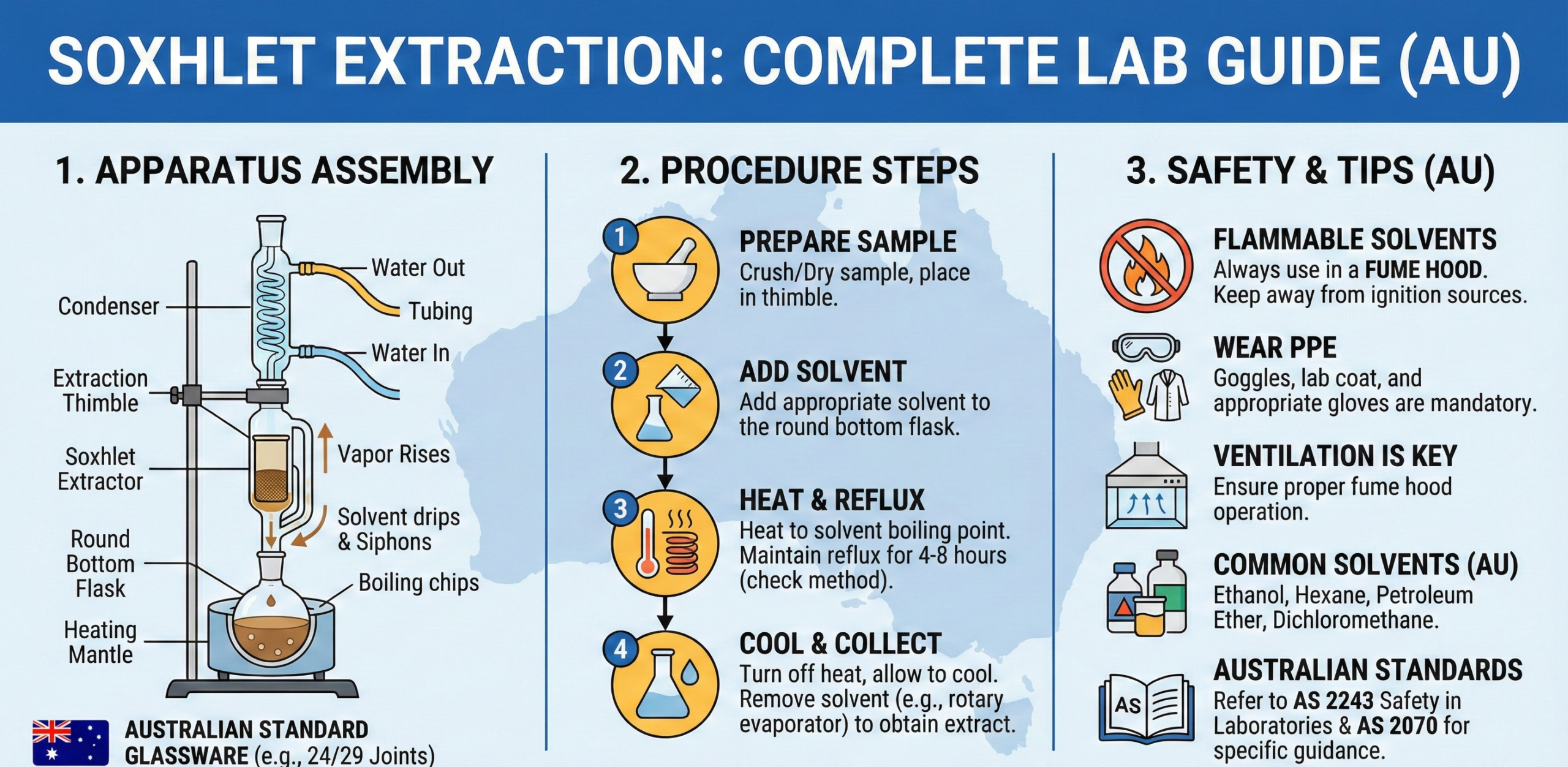
Soxhlet Extraction: Complete Lab Guide (AU)

Soxhlet extraction is a reliable, repeatable technique for pulling target compounds from a solid matrix using continuous solvent...
Comments Off on Soxhlet Extraction: Complete Lab Guide (AU)
23 Feb

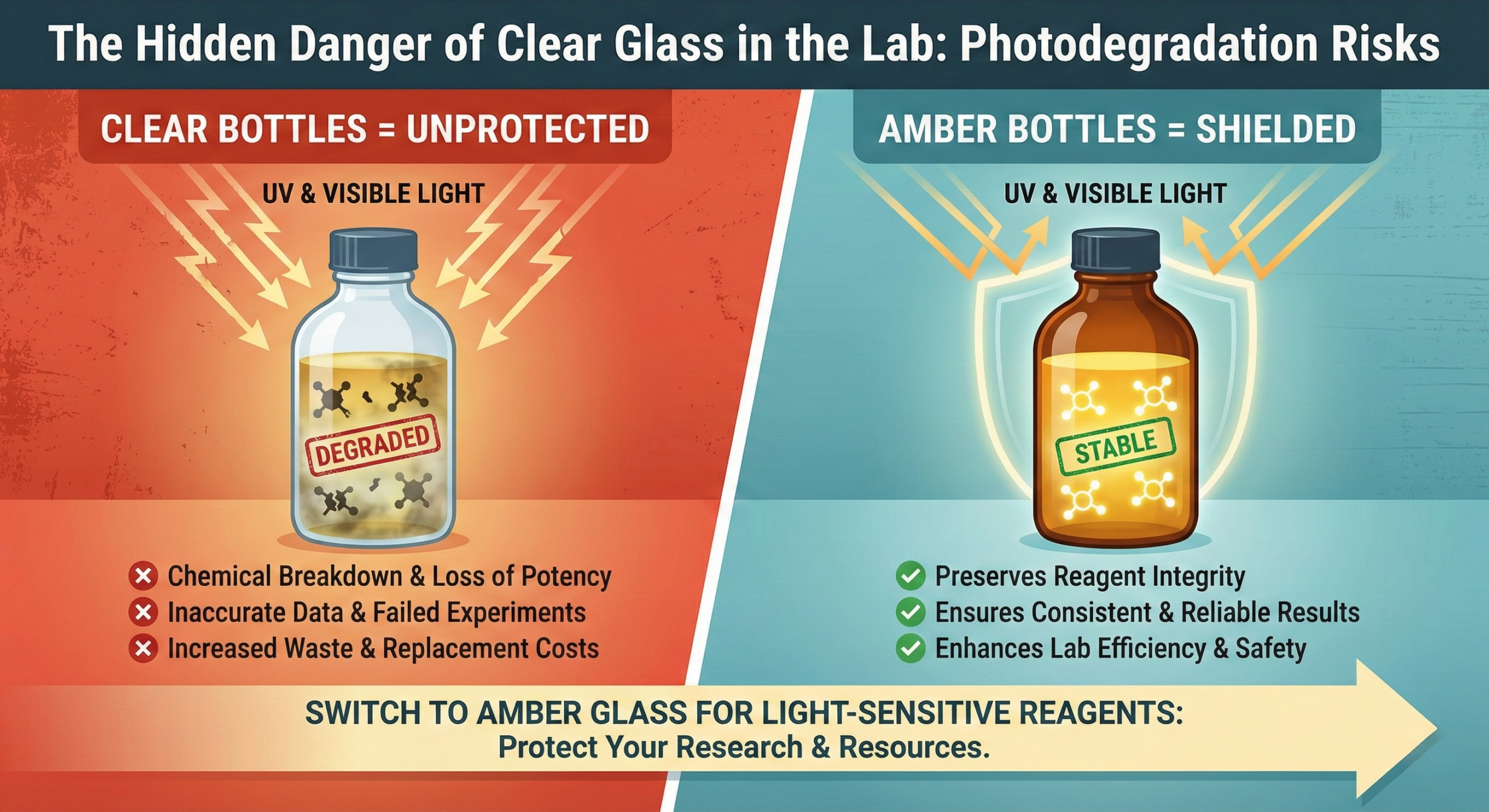
Why Labs Should Stop Using Clear Bottles for Light-Sensitive Reagents

Clear reagent bottles look tidy on a shelf, but they are a common failure point for light-sensitive chemicals....
Comments Off on Why Labs Should Stop Using Clear Bottles for Light-Sensitive Reagents

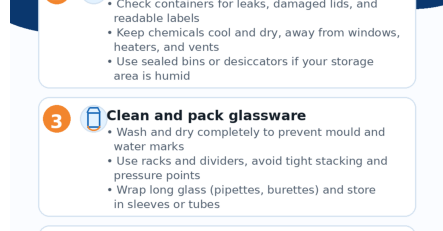
How Schools Can Store Chemistry Gear Over Summer Break

As schools across Australia get ready to lock the doors on another year, science labs often end up packed last...

What’s Inside a Lab Desiccator and Why It Matters

A lab desiccator is one of those tools that often goes unnoticed in a busy workspace, but it quietly plays...

Choosing Distillation Apparatus in Australia: Setup, Safety, Results

Distillation has been around for ages, but it remains one of the most effective methods for separating...
Laboratory Glassware

Choosing and Caring for Everyday Lab Glassware -LabChoice Australia

When it comes to everyday tools in a lab, few things are used more than glassware. From...

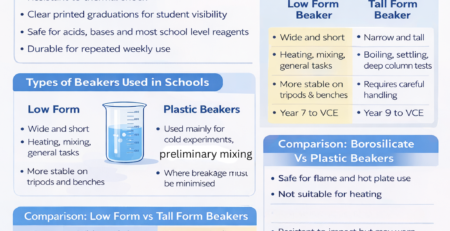
Guide to Choosing the Right Beakers for School Laboratories

LabChoice Australia Beakers are one of the most widely used pieces of glassware in Australian school laboratories. Whether students...

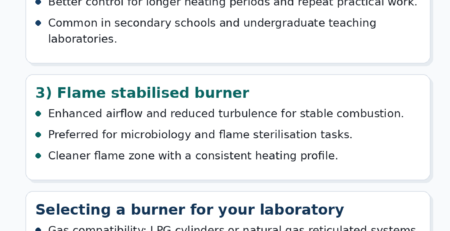
Choosing the Best Bunsen Burner for Australian Laboratories: Standard, T Type and Flame Stabilised Models

Australian laboratories rely on Bunsen burners for precise flame heating in chemistry, microbiology and general science education. Selecting the...

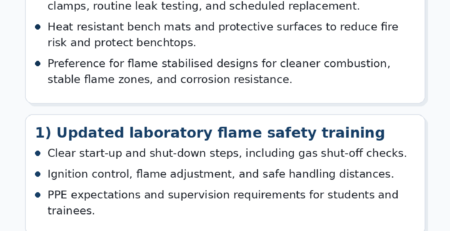
How Bunsen Burner Safety Standards Are Evolving in Australian Laboratories: Compliance, Training, and LabChoice Support

Flame heating plays an essential role in Australian science education and laboratory research. As schools, universities and

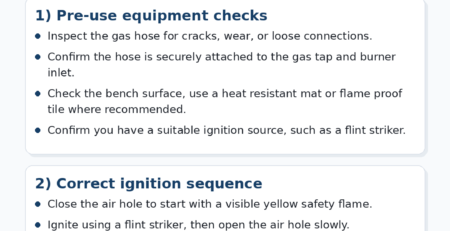
How to Use a Bunsen Burner Safely in Australian Schools, TAFEs and University Laboratories

Safe Bunsen burner operation is an important part of science education across Australia. From chemistry flame tests to microbiology...

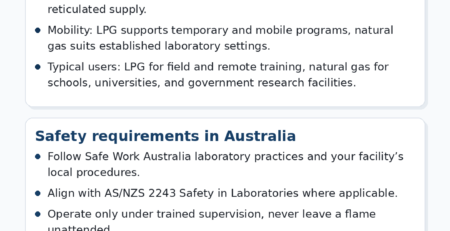
Bunsen Burners in Australian Laboratories: Gas Types, Safety and Modern Heating Requirements

Bunsen burners remain a fundamental heat source in laboratories across Australia. They support core science education, analytical chemistry, microbiology...

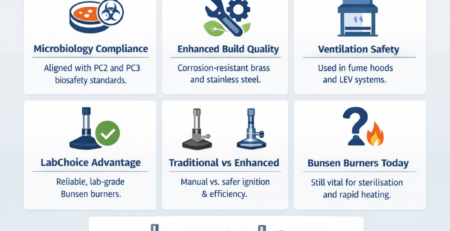
The Future of Bunsen Burners in Australian Laboratories: Trends, Safety, and LabChoice Solutions

Laboratory flame heating remains essential in science education and research, even as automation grows. From microbiology sterilisation to flame-based chemical...

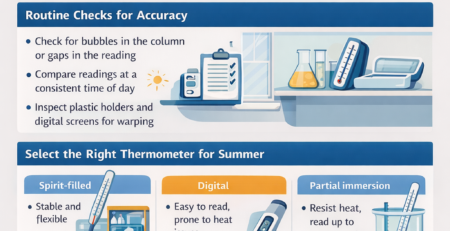
Safe Lab Thermometer Use During Warmer Months in Australia

Summer heat doesn't just affect what we wear or how we feel. In labs, warmer weather can change how certain...

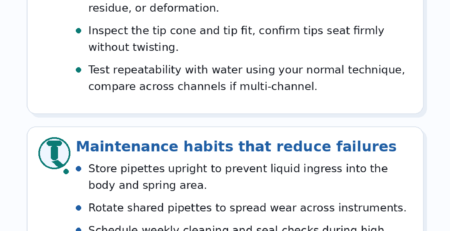
Liquid Transfer Problems? Check Your Laboratory Pipettes

When a liquid transfer feels off—too slow, not enough volume, or just plain frustrating—the pipette is often a quiet suspect....