8 Sep

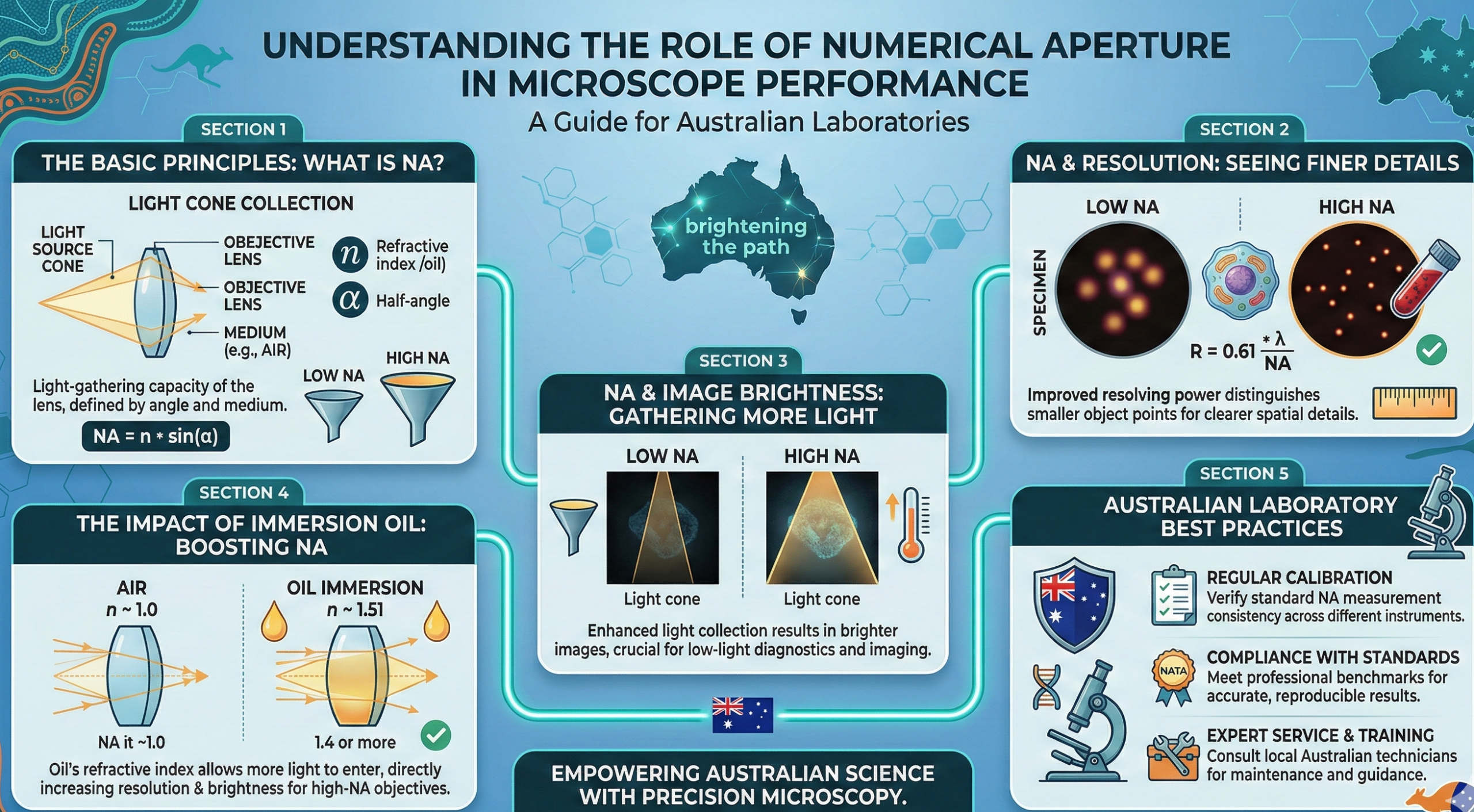
Understanding the Role of Numerical Aperture in Microscope Performance: A Guide for Australian Laboratories

Numerical Aperture (NA) is a vital optical specification that significantly impacts the resolution, brightness, and quality of images...
No Comments
8 Sep

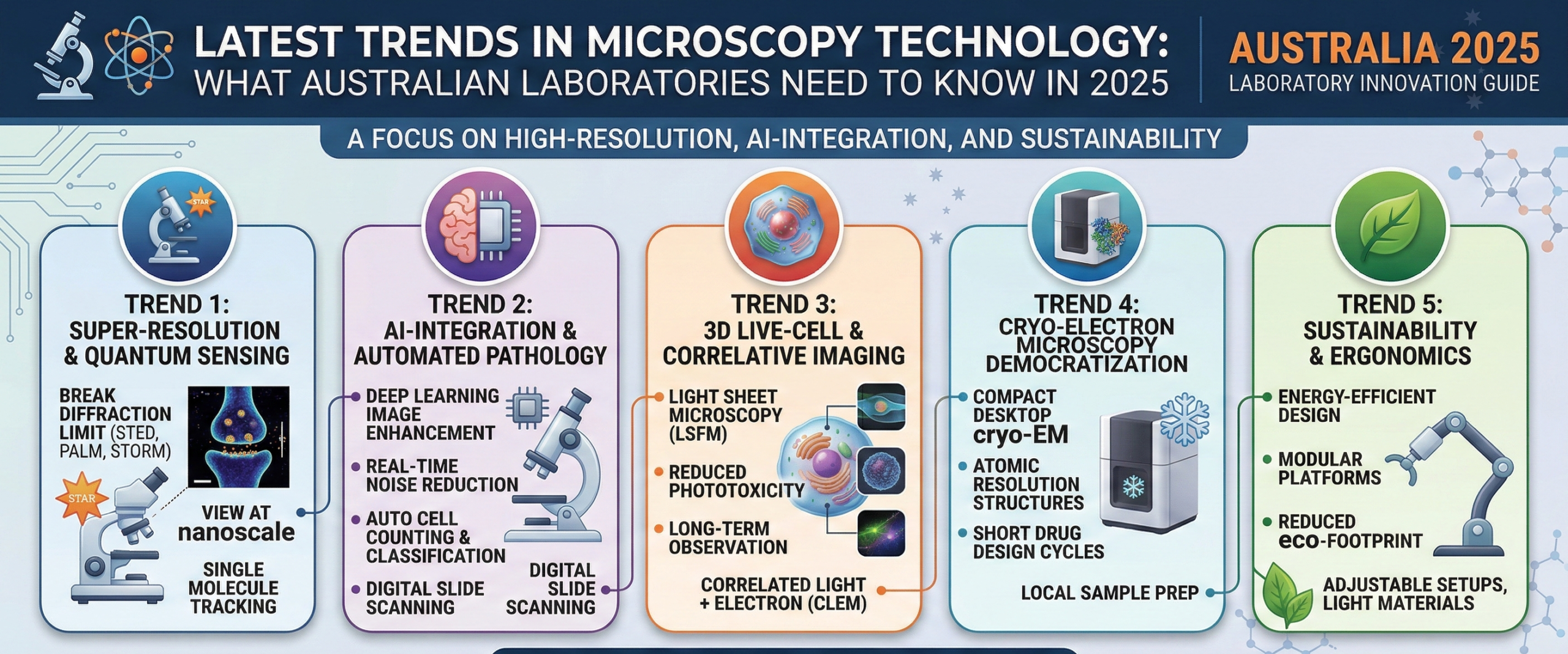
Latest Trends in Microscopy Technology: What Australian Laboratories Need to Know in 2025

Microscopy technology is evolving rapidly, reshaping how Australian laboratories conduct research, teaching, and quality control. Staying abreast of...
No Comments
8 Sep

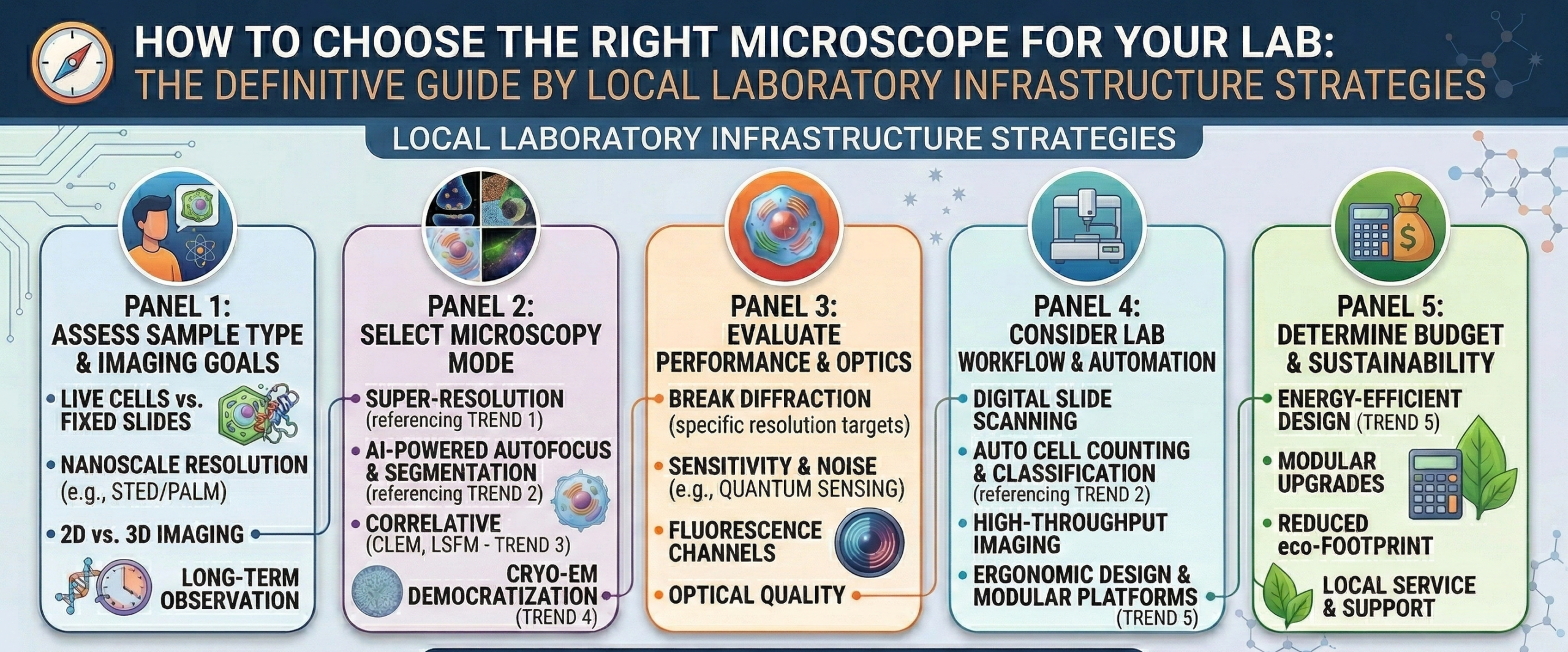
How to Choose the Right Microscope for Your Lab: The Definitive Guide by LabChoice Australia

Choosing the right microscope is one of the most important decisions for any Australian laboratory, whether for education,...
No Comments
8 Sep

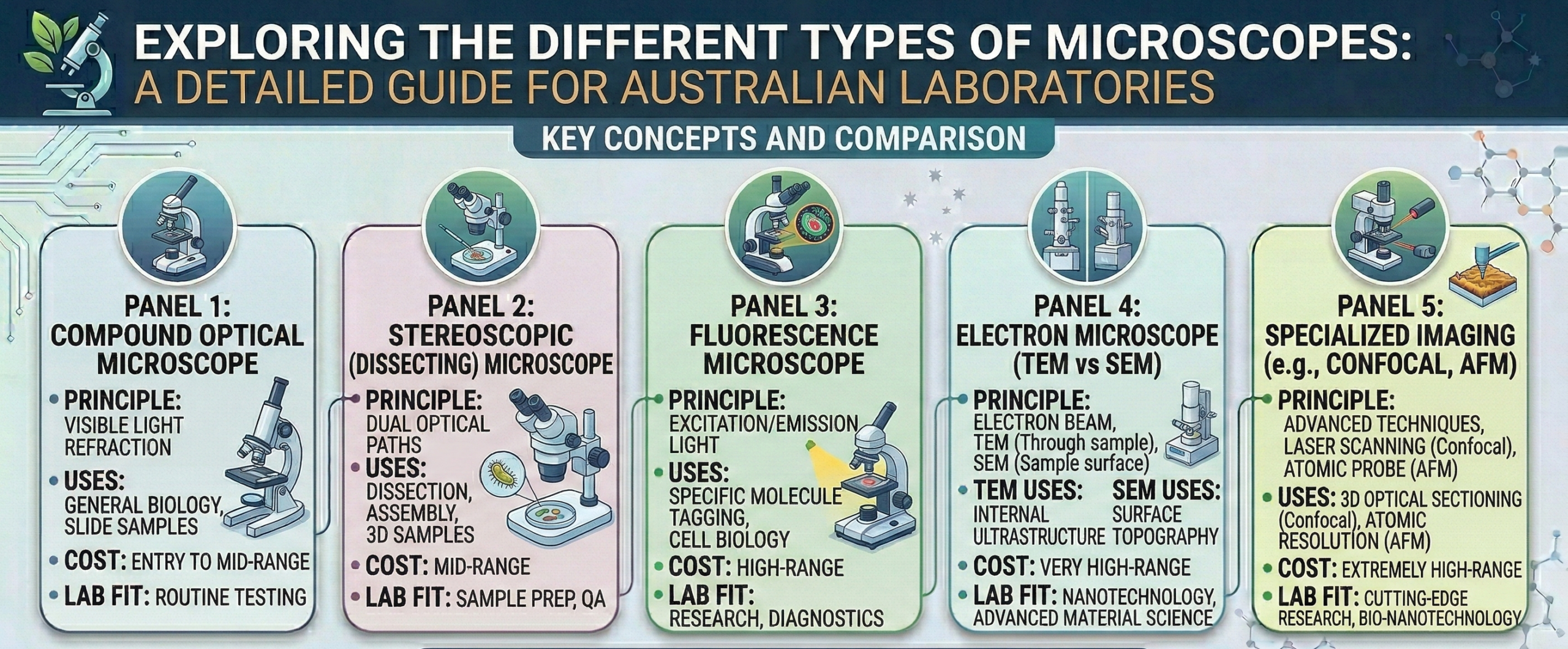
Exploring the Different Types of Microscopes: A Detailed Guide for Australian Laboratories

Microscopes are essential tools in laboratories across Australia, powering discoveries in biology, materials science, education, and industry. Understanding...
No Comments
4 Sep

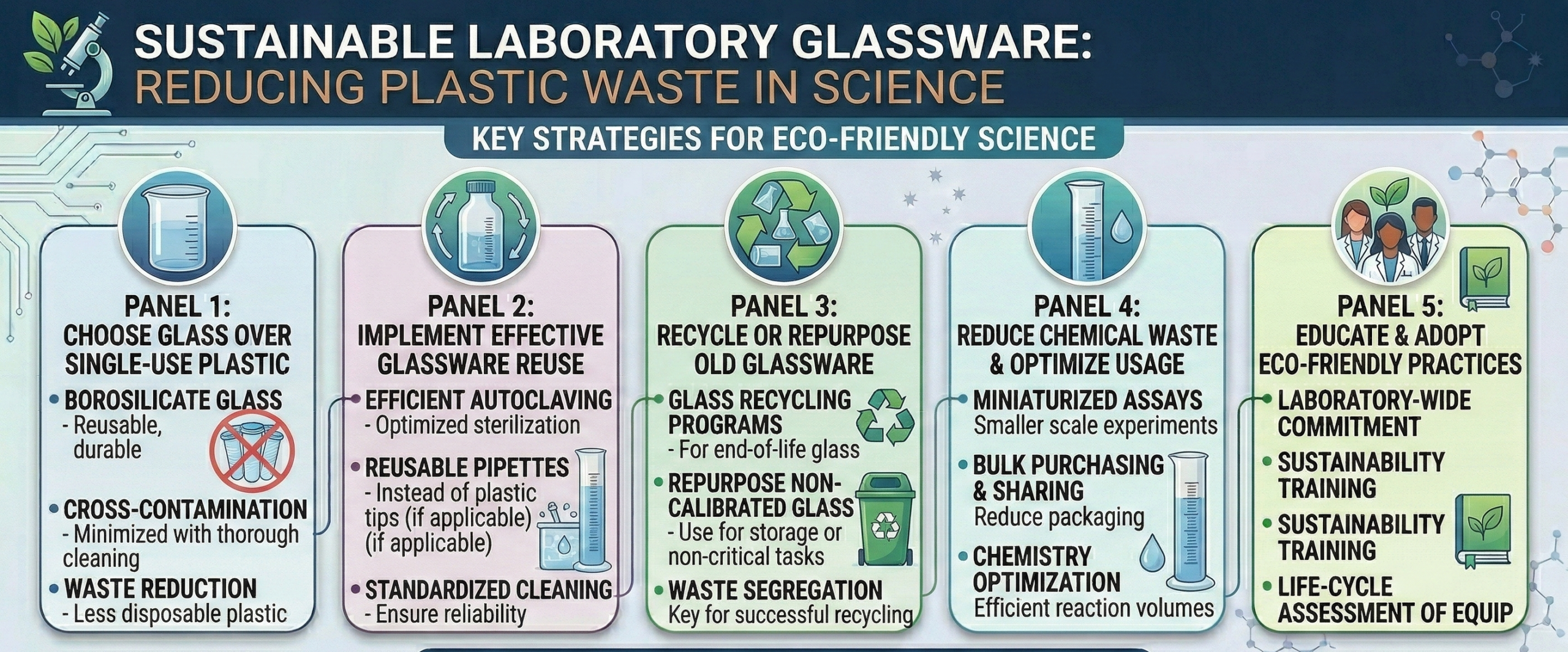
Sustainable Laboratory Glassware: Reducing Plastic Waste in Science

Sustainability is now a priority for laboratories worldwide, including in Australia’s schools, universities, and research facilities. With the...
No Comments
4 Sep

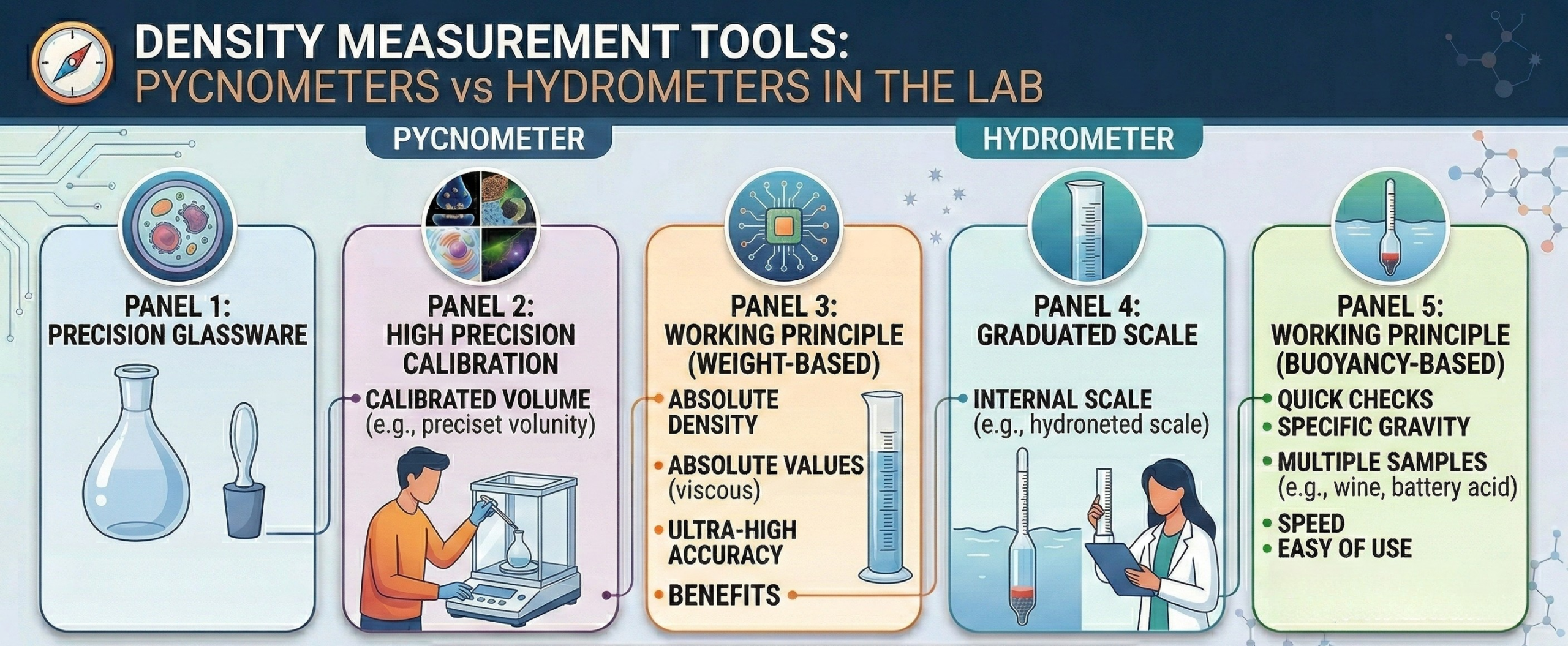
Density Measurement Tools: Pycnometers vs Hydrometers in the Lab

Pycnometers vs Hydrometers in the Lab. Measuring liquid density is an important part of analytical chemistry, quality control,...
No Comments
4 Sep

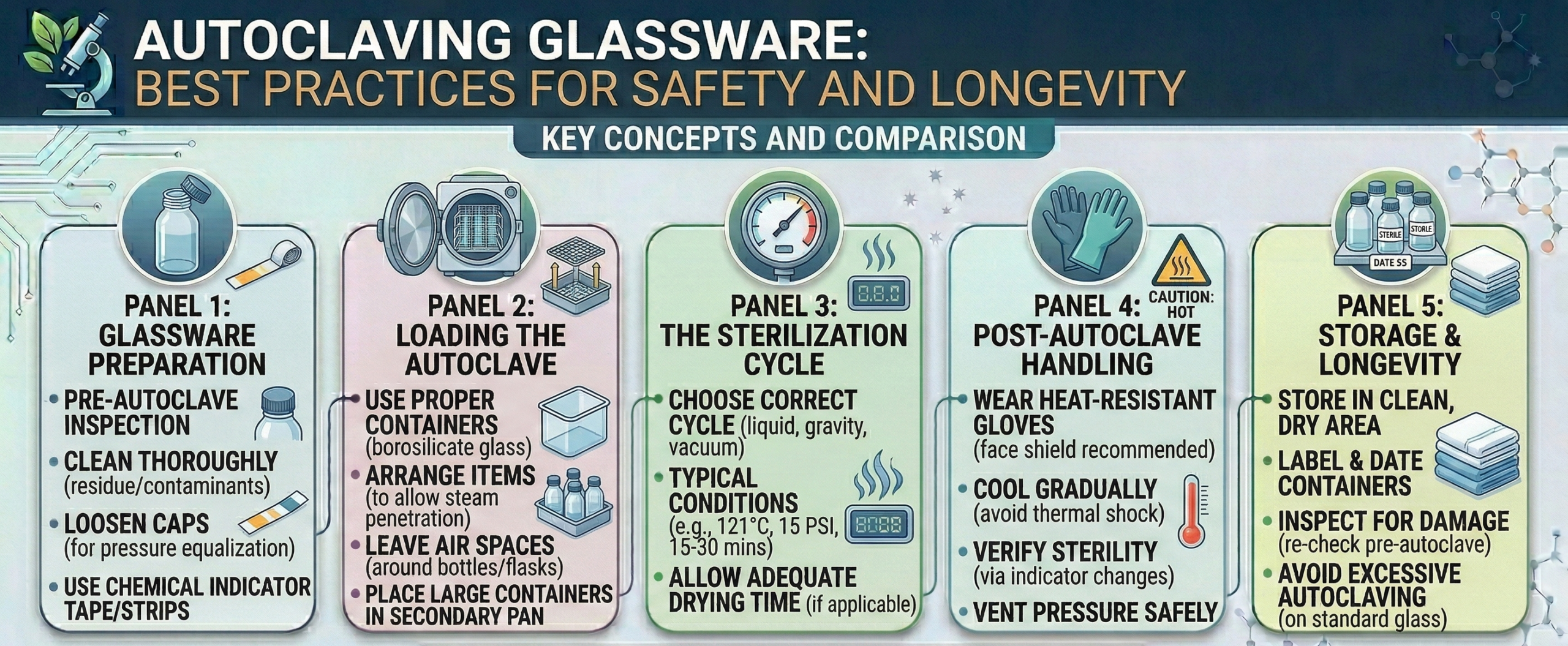
Autoclaving Glassware: Best Practices for Safety and Longevity

Autoclaving is the gold standard for sterilising laboratory equipment. Using high-pressure steam at 121–134 °C, it ensures...
No Comments
4 Sep

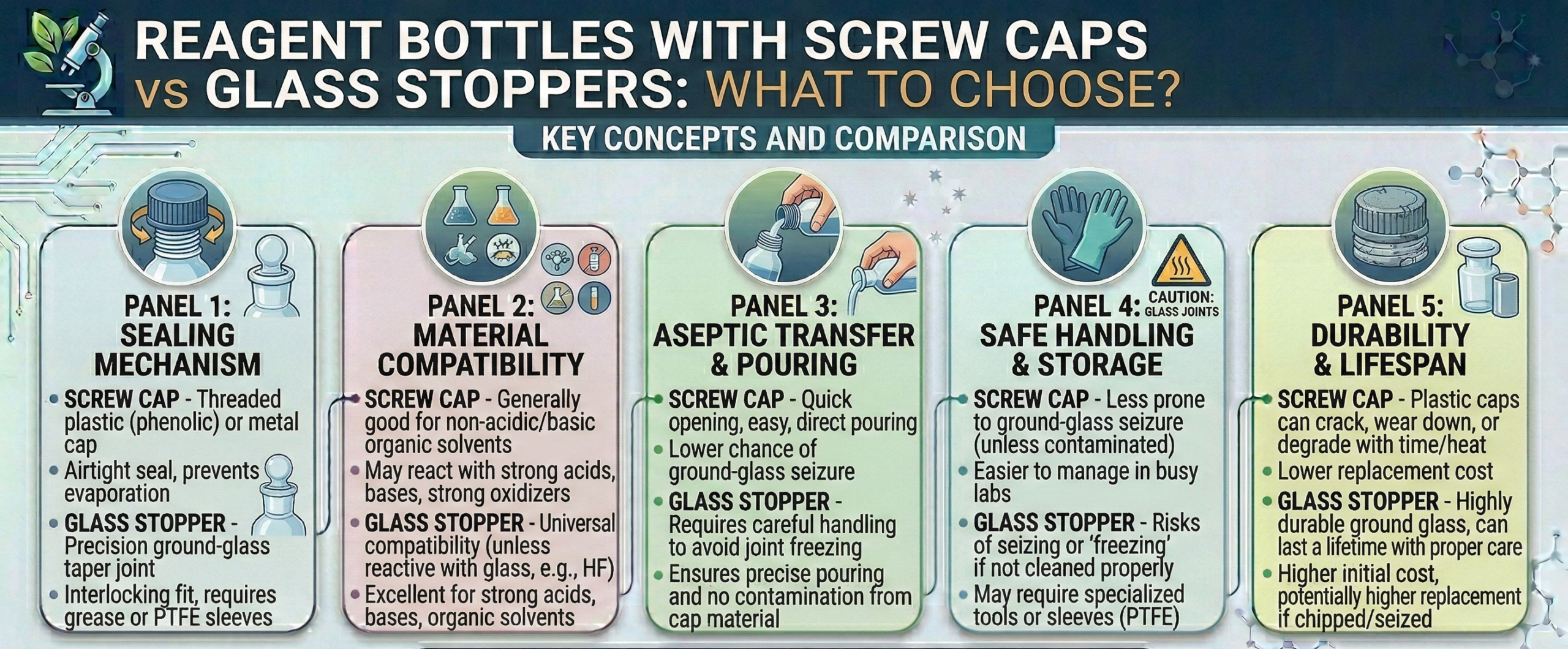
Reagent Bottles with Screw Caps vs Glass Stoppers: What to Choose?

Reagent bottles are essential for the safe storage of chemicals in laboratories. Available with either screw caps or...
No Comments
4 Sep

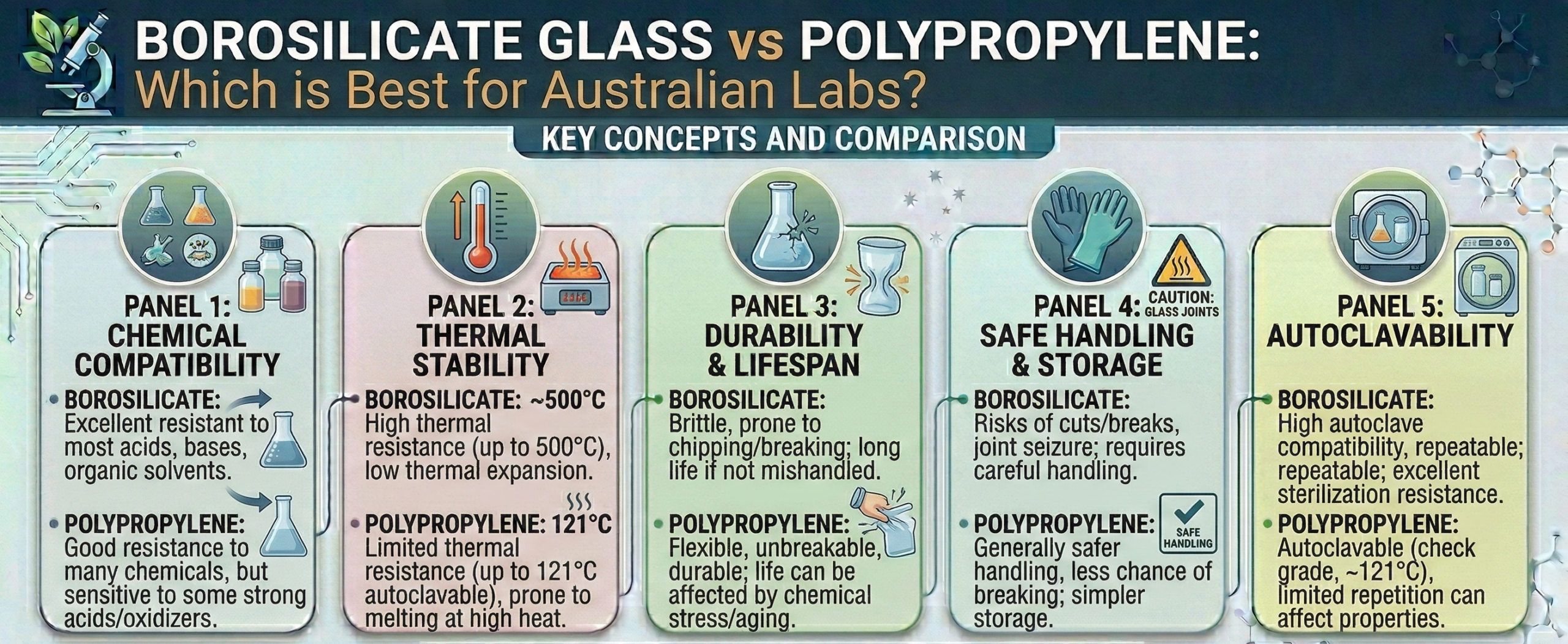
Borosilicate Glass vs Polypropylene: Which is Best for Australian Labs?

Laboratories rely on durable, accurate, and safe materials for experiments, storage, and teaching. Two of the most widely...
No Comments
4 Sep

Laboratory Funnels Compared: Dropping, Separatory, and Pressure Equalising

Funnels are versatile tools used across laboratories for transferring, separating, and controlling liquid flow. While simple glass funnels...
No Comments

Circular Economy in Science: Designing Labs for Reuse and Recycling

The concept of a circular economy is reshaping industries worldwide, and laboratories are no exception. Instead of relying on a...

Reducing Plastic Waste in Laboratories: Strategies for Sustainable Science

Laboratories worldwide are major contributors to plastic waste, with research showing they generate up to ten times more plastic waste...

Green Lab Certification: What Australian Laboratories Need to Know

As sustainability becomes a global priority, laboratories are being recognised not just for their research but also for their environmental...

Carbon Neutral Labs: How Universities Are Building Net-Zero Science Facilities

As Australia pushes towards net-zero emissions by 2050, universities and research institutions are leading the way with carbon neutral laboratories....

Water Conservation in Labs: Reducing Waste in Cooling and Washing

Water is one of the most overused resources in laboratories. From cooling condensers in chemistry experiments to washing glassware and...

Green Chemistry in Education: Teaching Sustainability in Australian Schools

Science education is no longer just about teaching reactions and formulas — it’s also about instilling sustainable practices. Green chemistry,...

Waste Segregation in Laboratories: Building a Recycling-Friendly Workflow

Waste management is one of the most overlooked sustainability practices in laboratories. From plastics and glass to solvents and sharps,...

Glass vs Plastic Pipettes: Which Supports Sustainable Laboratory Practices?

Pipettes are one of the most widely used tools in laboratories, from classrooms to advanced research facilities....

Green Procurement in Science: Choosing Sustainable Labware Suppliers

Procurement is more than just purchasing — it shapes the environmental footprint of laboratories. From glassware to consumables, choosing suppliers...

Laboratory Energy Efficiency: How Green Labs Reduce Carbon Footprints

Laboratories are among the most energy-intensive facilities in the world, consuming 3–5 times more energy per square metre than office...

Eco-Friendly Sterilisation: Autoclaving vs Chemical Disinfection in Green Labs

Sterilisation is essential in laboratories, ensuring that equipment, media, and consumables remain free of microorganisms. But how labs sterilise can...

How Australian Laboratories Can Cut Plastic Waste by 50% with BORO 3.3 Glassware

Plastic waste in laboratories is a growing environmental challenge. Research has shown that labs generate up to 10 times more...